
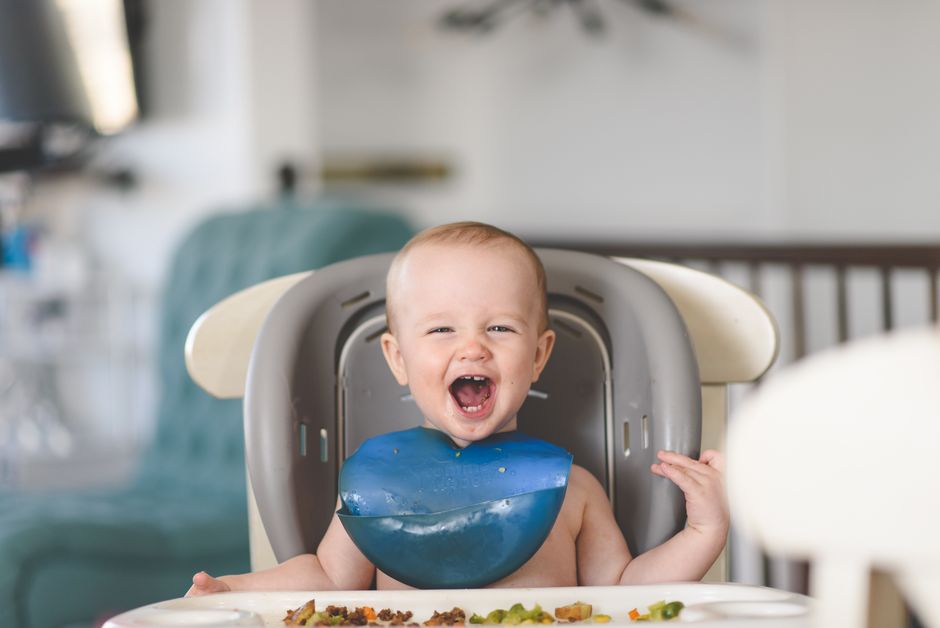
Most babies are ready to start baby food at around 6 months of age. Before that, breast milk or infant formula provides everything a baby needs. The American Academy of Pediatrics recommends waiting until about 6 months and watching for readiness signs, because a baby’s gut, swallowing skills, and head control all need to develop first.
Starting solids is a milestone, not a race. Some babies are ready at 5 months and some closer to 7. What matters more than the exact date is whether your baby shows the physical signs of readiness and whether you introduce the right textures at the right pace.
When Do Babies Eat Baby Food? What to Expect
Around 6 months is the standard window, and it comes from more than tradition. Before this age, a baby’s digestive system and kidneys are still maturing, and the tongue-thrust reflex — the one that pushes food back out of the mouth — is still strong. That reflex usually fades between 4 and 6 months.
There is also a nutritional reason for the timing. By about 6 months, a baby’s stored iron from birth begins to run low, and breast milk alone no longer supplies enough. Iron-fortified cereal, pureed meat, or other iron-rich foods help fill that gap. This is one of the few areas where the timing recommendation is genuinely well established.
Pediatric organizations generally advise against starting solids before 4 months. Early introduction has been associated with a higher risk of choking and, in some studies, with excess weight gain later in childhood. The evidence on the weight link is not perfectly consistent, but the choking concern is not debated.
What Are the Signs Your Baby Is Ready for Solids?
Readiness is about skills, not just age. A baby who can do all of the following is generally ready to try food.
- Good head control. Your baby can hold their head up steady and sit with support.
- Sits upright with help. They can stay mostly upright in a high chair without slumping.
- Lost the tongue-thrust reflex. Food stays in the mouth instead of being pushed out.
- Shows interest. They watch you eat, reach for food, or open their mouth.
- Can move food to the back of the mouth and swallow. This is different from sucking.
One sign that is often misread is waking more at night. A baby who suddenly wakes more often is not automatically hungry for solids. Sleep disruptions at this age have many causes, and starting solids to fix sleep is not supported by strong evidence.
What Should You Feed a Baby First?
There is no single required first food, despite what older advice suggested. Single-grain iron-fortified cereal has been a traditional starting point because it is easy to mix and fortified with iron. But pureed meat, pureed vegetables, fruit, and beans are all reasonable options.
The one nutrient worth prioritizing early is iron. Iron-rich options include:
- Iron-fortified infant cereal
- Pureed or finely mashed meat and poultry
- Mashed beans and lentils
- Iron-fortified tofu
Introduce one new food at a time and wait a few days before adding another. This makes it easier to spot a reaction if one occurs. Reactions to first foods are uncommon, but they do happen.
Skip added salt and sugar. A baby’s kidneys are not ready to handle much sodium, and there is no nutritional need for added sugar at this age. Honey is a separate concern — it should not be given to any baby under 12 months because of the risk of infant botulism.





How Much and How Often Should a Baby Eat?
At first, solid food is practice, not the main event. A teaspoon or two once a day is a reasonable start. Breast milk or formula remains the primary source of nutrition through the first year.
Over the following weeks and months, the amount and frequency gradually increase. By around 8 to 9 months, many babies eat solids two to three times a day. By the first birthday, most are eating three meals plus snacks and drinking from a cup.
Watch your baby, not a chart. Signs of hunger include leaning forward and opening the mouth. Signs of fullness include turning the head away, closing the mouth, or pushing food away. Forcing a baby to finish a portion works against the goal of helping them learn to regulate their own appetite.
What Textures Should You Introduce and When?
Texture progression matters more than most parents realize. Waiting too long to move past smooth purees can make a baby more resistant to lumpy and chewy foods later.
| Age | Typical Texture | Examples |
|---|---|---|
| Around 6 months | Smooth purees | Thin cereal, pureed vegetables |
| 6 to 8 months | Thicker purees, soft lumps | Mashed avocado, thick oatmeal |
| 8 to 10 months | Soft finger foods | Soft cooked pasta, ripe banana pieces |
| 10 to 12 months | Chopped table food | Small pieces of soft meat, cooked vegetables |
These ages are general guides, not deadlines. Babies vary in how quickly they take to new textures. What matters is that the diet keeps expanding rather than staying at purees for months on end.
Is Baby-Led Weaning Better Than Spoon-Feeding?
Baby-led weaning means skipping purees and offering soft finger foods from the start, letting the baby feed themselves. Spoon-feeding means an adult offers purees on a spoon. Both approaches can work.
The evidence comparing them is mixed. Some studies suggest baby-led weaning may support self-regulation and variety in eating, but results vary and the studies have limitations. The choking risk is a common concern, but research has not consistently shown baby-led weaning to be more dangerous when foods are prepared safely.
A practical middle path is common and reasonable: offer purees on a spoon and also let your baby self-feed soft pieces. Many families do both. Whichever route you choose, the safety rules are the same.
How Do You Reduce Choking Risk?
Choking is the most serious risk when starting solids, and it is largely preventable with the right food choices and positioning.
- Always seat your baby upright, never reclined or moving around.
- Stay within arm’s reach during every meal.
- Avoid round, firm, or sticky foods that can block the airway.
- Cut grapes lengthwise into quarters, not circles.
- Cook hard vegetables until soft enough to mash between your fingers.
- Skip whole nuts, popcorn, chunks of nut butter, and hard raw vegetables.
Knowing infant CPR is worth the time for any caregiver. It is a skill you hope never to use, but it is the one thing that matters most if a choking event happens.
When Should You Talk to Your Pediatrician?
Check in with your baby’s doctor if your baby cannot sit with support by around 9 months, shows no interest in food well past 6 months, gags or vomits with most textures, or is not gaining weight as expected. A pediatrician can also help if you are unsure whether your baby is ready or if you have concerns about allergies.
For babies at higher risk of food allergies, guidance has shifted in recent years. Current evidence supports introducing common allergenic foods — such as peanut and egg — early and regularly, rather than delaying them. Because the specifics depend on your baby’s risk level, this is a conversation to have with your pediatrician rather than something to manage alone.
Frequently Asked Questions
When should a baby start eating baby food?
Most babies are ready at around 6 months, when they can hold their head up, sit with support, and have lost the tongue-thrust reflex. Some are ready slightly earlier or later, so watch for readiness signs rather than the calendar alone.
Can I start solids at 4 months?
Pediatric organizations generally advise waiting until about 6 months and recommend against starting before 4 months. Starting early raises choking risk and offers no clear benefit over breast milk or formula.
How much should a 6-month-old eat?
At first, just a teaspoon or two of food once a day is enough, since breast milk or formula still provides most nutrition. Amounts increase gradually over the following weeks as your baby gets used to eating.
What foods should I avoid giving a baby under 1?
Avoid honey, added salt and sugar, whole nuts, popcorn, and any round or hard foods that can cause choking. Cow’s milk as a main drink is also generally not recommended before 12 months.
