
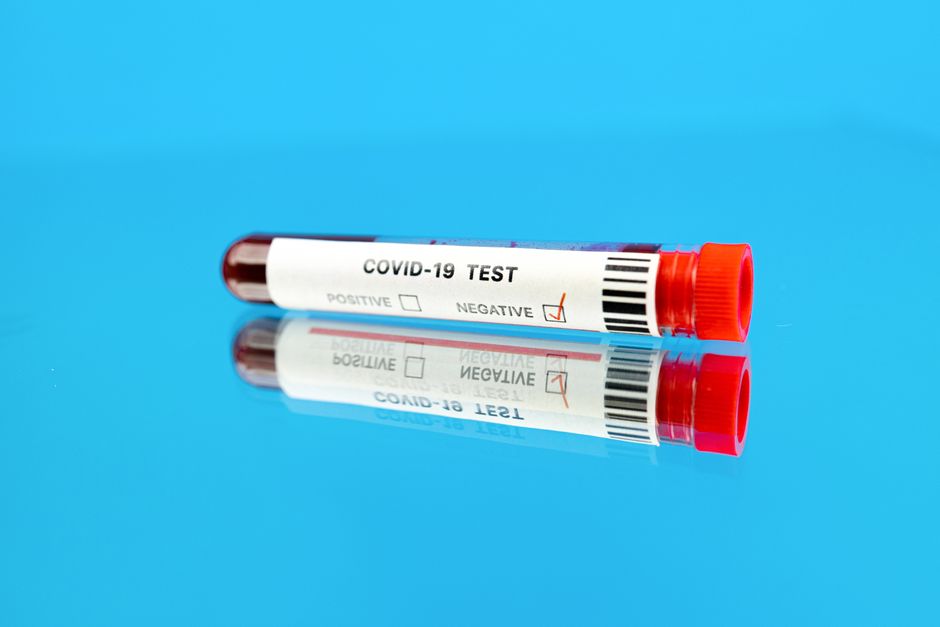
If you carry Rh negative blood, you are part of a minority that has puzzled scientists for decades. The short answer: Rh negative blood appears to have arisen in Europe, most likely between 20,000 and 40,000 years ago, based on genetic studies of the RHD gene. The exact moment cannot be pinpointed because no fossil preserves blood type. What researchers can trace is the mutation that switched the gene off — and that event left a signature in human DNA that points to a European origin.
When Did Rh Negative Blood Appear In Humans?
The clearest evidence comes from population genetics, not archaeology. The Rh negative trait results from a deletion or inactivation of the RHD gene, which normally instructs the body to build the RhD protein on red blood cells. When that gene is missing or silenced, a person tests Rh negative.
Studies of RHD gene variants suggest the mutation arose in a population ancestral to modern Europeans. Estimates place the event in the Upper Paleolithic, roughly 20,000 to 40,000 years ago. That window overlaps with when modern humans were spreading across Europe and Asia after leaving Africa.
Why can’t we give an exact year? Because gene dating relies on statistical models, not direct observation. Researchers compare DNA sequences across populations and estimate how long it would take for the observed differences to accumulate. Different models produce different dates. The range reflects that uncertainty honestly.
What we do know: Rh negative is rare or absent in most of the world. It reaches its highest frequency in the Basque region of Spain and France, where roughly 30 to 35 percent of people are Rh negative. The trait is also relatively common in other European populations, at lower rates. In sub-Saharan Africa, East Asia, and Indigenous populations of the Americas, Rh negative is very rare.
What Does Rh Negative Blood Actually Mean?
Rh refers to a protein called the RhD antigen. If your red blood cells carry it, you are Rh positive. If they do not, you are Rh negative. This is separate from your ABO blood type — A, B, AB, or O.
The Rh system is more complex than a simple positive-or-negative label. There are dozens of Rh antigens, but RhD is the one that matters most in clinical practice because it is the most likely to trigger a strong immune response.
When an Rh negative person is exposed to Rh positive blood — through transfusion, pregnancy, or sometimes shared needles — the immune system can recognize the RhD protein as foreign and produce antibodies against it. This is called sensitization. It does not happen the first time in most cases. It happens after repeated exposure, or after a larger exposure.
This matters most in pregnancy. An Rh negative mother carrying an Rh positive fetus can become sensitized if fetal blood mixes with her blood. In a later pregnancy with another Rh positive fetus, her antibodies can cross the placenta and attack the fetus’s red blood cells. That condition is called hemolytic disease of the fetus and newborn, or HDFN. It can range from mild to life-threatening.
This is why Rh status is checked early in pregnancy, and why Rh immune globulin (often called RhoGAM) is given at specific points to prevent sensitization. That is established clinical practice with strong evidence behind it.
How Common Is Rh Negative Blood by Population?
Rh negative frequency varies widely by ancestry. The table below reflects general patterns reported in population studies.
| Population | Approximate Rh Negative Frequency |
|---|---|
| Basque (Spain/France) | 30–35% |
| Other European populations | 10–20% |
| African populations | Very low, often under 5% |
| East Asian populations | Rare, generally under 1% |
| Indigenous American populations | Very rare |
These are broad patterns. Within any large population there is variation, and mixed ancestry complicates any single number.




Why Is Rh Negative More Common in Europe?
No one knows for certain. Several explanations have been proposed, but none is proven.
One idea is that the mutation simply drifted to higher frequency in European populations by chance. Genetic drift is a random process, and in small populations, gene variants can become more common without any survival advantage.
Another idea is that carrying one copy of the Rh negative variant offered some protection against a disease. Some researchers have suggested a link to toxoplasmosis, a parasitic infection. The thinking is that Rh negative individuals might have had a survival edge in areas where the parasite was common. This remains a hypothesis. No large human study has confirmed it.
A third idea involves maternal-fetal incompatibility itself. You might expect natural selection to weed out a trait that causes pregnancy complications. But HDFN mainly affects second and later pregnancies, and in populations where women had many children, the effect could be diluted. Some modeling suggests the trait could persist even with this cost.
The honest position: the reason Rh negative is concentrated in Europe is not settled science. The pattern is real. The explanation is not.
Is Rh Negative Blood Linked to Any Health Conditions?
For most people, Rh status has no effect on day-to-day health. It is a blood group marker, not a disease.
Some studies have reported weak associations between Rh negative status and certain conditions, including some autoimmune diseases and a slightly increased risk in certain infections. These findings are inconsistent. Study sizes vary, results conflict, and no clear clinical guidance follows from them.
One association is better established: Rh negative individuals are more likely to carry certain genetic variants that affect red blood cell structure, because the RHD deletion sometimes occurs alongside changes in related genes. This is a genetic linkage, not a health risk in itself.
What is clearly established is the risk during pregnancy and transfusion. Those are the situations where Rh status genuinely changes medical care.
What About the Idea That Rh Negative Blood Is Alien or Non-Human?
This claim circulates widely online. It is false.
The Rh negative trait is a normal human genetic variation. It results from a deletion in a gene that all humans carry. There is no evidence that Rh negative blood came from extraterrestrials, Reptilians, or any non-human source. The RHD gene and its variants are found in human DNA, and the mutation that causes Rh negative status is well documented in the scientific literature.
The confusion may come from the “Rh” name, which refers to the rhesus monkey, where the antigen was first identified in the 1930s. That name reflects the research history, not the origin of the trait in humans.
Claims that Rh negative people have special powers, psychic abilities, or a different evolutionary lineage have no scientific support. They are marketing and folklore, not biology.
Can Rh Negative Blood Change Over Time?
No. Your Rh status is determined by your genes and does not change. It is set at conception.
What can change is your sensitization status. An Rh negative person who has never been exposed to Rh positive blood is unsensitized. After exposure, they may become sensitized, meaning their immune system has produced anti-RhD antibodies. This is why blood banks and prenatal clinics track exposure history.
Testing for Rh status is standard. A simple blood test identifies whether you carry the RhD antigen. If you do not know your Rh status, it is worth knowing — especially if you are pregnant or may need a transfusion.
One non-obvious point: Rh negative blood is not “better” or “worse” than Rh positive blood. It is simply different. The only situations where it matters clinically are pregnancy and transfusion compatibility. Outside those, it is a neutral trait.
Frequently Asked Questions
When did Rh negative blood first appear in humans?
Genetic evidence points to an origin in Europe roughly 20,000 to 40,000 years ago. The exact date cannot be determined because no fossil preserves blood type.
Is Rh negative blood older than Rh positive?
No. Rh positive is the ancestral state, and Rh negative arose later from a mutation that silenced the RHD gene. Rh positive remains far more common worldwide.
Why is Rh negative blood more common in Europe?
The reason is not known. Genetic drift, possible disease resistance, and the timing of the mutation have all been proposed, but none is confirmed.
Can two Rh positive parents have an Rh negative child?
Yes. If both parents carry one copy of the Rh negative variant, they are Rh positive themselves but can pass the variant to a child who inherits two copies and is Rh negative.
