
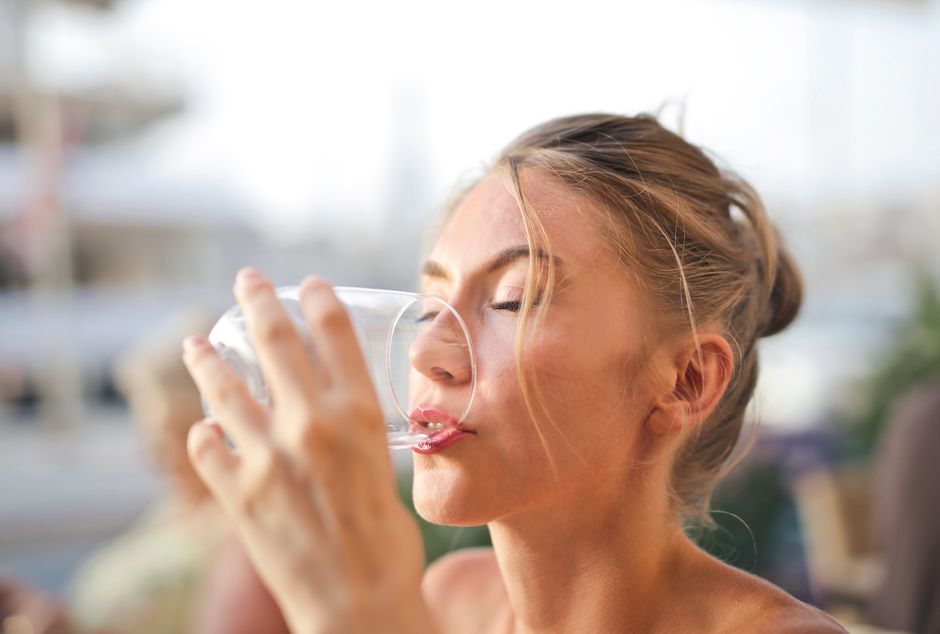
Most clinicians advise waiting at least 24 hours after Botox before drinking alcohol, and many suggest avoiding it for 48 hours or longer. The reason is not that alcohol cancels the treatment outright. It is that alcohol can increase swelling and bruising at the injection sites and may make it harder to judge your results in the first few days.
If you have a social event coming up, the safest approach is to schedule your injections so they fall well before the event, not the day of. Below is what the evidence actually supports, what remains uncertain, and how to think about timing.
Why Does Alcohol Matter After Botox?
Alcohol affects Botox in two indirect ways, not one direct way. Understanding the difference matters because it tells you how seriously to take the advice.
The first effect is on bleeding and bruising. Alcohol is a vasodilator, meaning it widens blood vessels. It also has mild antiplatelet effects, which can make platelets less likely to clump together and form clots. Both of these can increase the chance of bruising and swelling around a needle puncture. Since Botox is delivered through a series of small injections into facial muscles, any added bleeding risk can show up as a bruise.
The second effect is on how the results look and feel. Alcohol causes fluid shifts and puffiness in the face. In the days right after treatment, that puffiness can make it harder for you and your injector to see how the muscles are responding. It can also make a normal amount of post-injection swelling look worse than it is.
What alcohol does not appear to do is block botulinum toxin from binding to nerve endings. The mechanism of action is local. The toxin enters the nerve terminal and prevents the release of acetylcholine, the chemical that tells muscles to contract. There is no strong evidence that a glass of wine interferes with that process directly.
When Can I Drink Alcohol After Botox?
A 24-hour wait is the most common recommendation from clinicians. That window covers the period when the injection sites are most likely to bleed or swell.
Many injectors extend that to 48 hours or even a week, particularly for patients who bruise easily or who are being treated in areas with more visible blood vessels. This is a precaution, not a hard rule backed by large trials. The honest position is that no high-quality study has established an exact safe interval. The 24 to 48 hour range reflects clinical judgment about bruising risk, not a proven threshold.
Here is a practical way to think about it:
- First 24 hours: Avoid alcohol if you want to minimize bruising and swelling. This is the most widely agreed-on window.
- 24 to 48 hours: Many clinicians still recommend avoiding alcohol, especially if you have had bruising with past treatments.
- After 48 hours: Most injectors consider it reasonable to resume normal drinking, assuming you have no unusual swelling or bruising.
If your injector gave you specific instructions, follow those. They know your history and the areas treated.
Does Alcohol Reduce How Well Botox Works?
There is no solid evidence that moderate alcohol consumption reduces Botox’s effectiveness. This is a common worry, and it is worth separating from the bruising concern.
Botox works by blocking nerve signals to specific muscles. That process happens at the injection site over several days. Alcohol in the bloodstream does not appear to interrupt it. What alcohol can do is create conditions — swelling, puffiness, minor bleeding — that make it harder to see the result clearly while it is developing.
That distinction matters. If you have a drink a few days after treatment, you are unlikely to have undone anything. If you drink heavily the same day, you are more likely to bruise, and that bruise can last a week or more and obscure the area.
Heavy or frequent drinking is a different conversation. Chronic alcohol use can affect liver function, hydration, and skin health. None of these are known to block botulinum toxin directly, but they can affect how your skin looks and heals overall.

What About Bruising and Swelling?
Bruising is the most common visible side effect of Botox injections. It happens when a small blood vessel is nicked during injection. Alcohol raises the odds by making those vessels wider and by slightly reducing clot formation.
Swelling is usually mild and short-lived. It can be more noticeable in the forehead, around the eyes, and in the lower face. Alcohol’s effect on fluid balance can add to it.
If you do bruise, it typically fades over several days to a week. Some clinicians recommend avoiding blood-thinning medications like aspirin or ibuprofen around treatment, but this should only be done with your doctor’s guidance, since those medications may be prescribed for other conditions.
What Else Should You Avoid After Botox?
Alcohol is not the only thing clinicians commonly advise avoiding in the first day or two. The same logic — reducing blood flow changes, swelling, and pressure on the treated area — applies to several other habits.
- Strenuous exercise: Raising your heart rate and bending over can increase blood flow to the face and may worsen bruising. Many injectors suggest skipping intense workouts for 24 hours.
- Rubbing or massaging the area: Pressure can move the toxin beyond the intended muscles. This is a real concern, though the risk is small with proper technique.
- Lying face-down: Keeping your head elevated for a few hours after treatment is often recommended to reduce swelling.
- Saunas, hot tubs, and very hot showers: Heat can increase blood flow and swelling. A day or two of avoiding them is a common suggestion.
- Blood-thinning supplements: Fish oil, high-dose vitamin E, ginkgo, and similar products are sometimes flagged, though evidence for their effect on Botox bruising is limited.
These are widely recommended precautions. They are based on reasonable physiology and clinical experience rather than large trials. Treat them as sensible guidance, not proven rules.
How Long Until Botox Takes Full Effect?
Botox does not work immediately. Most people start to notice changes within 3 to 5 days, with the full effect usually appearing around 10 to 14 days after treatment.
Because of that timeline, the first few days are not a good time to judge your results. Swelling, bruising, and the natural settling of the toxin all affect what you see in the mirror. This is one reason clinicians ask patients to wait before deciding whether a touch-up is needed.
If you drink alcohol during that window, it will not stop the toxin from working. It may, however, make the area look puffier or more bruised, which can make it harder to assess.
What Happens If You Drink Alcohol Right After Botox?
If you had a drink the same day as your injections, the most likely outcome is nothing serious. You may bruise more easily, or you may notice more swelling than you would have otherwise.
There is no evidence that a single drink causes lasting harm or cancels the treatment. The concern is cosmetic and temporary, not dangerous.
If you develop significant swelling, a spreading rash, difficulty swallowing, trouble breathing, or muscle weakness away from the injection site, seek medical care right away. These are rare but serious signs that need prompt evaluation. They are not typical reactions to alcohol.
The Bottom Line on Timing
Wait at least 24 hours before drinking alcohol after Botox. Many clinicians prefer 48 hours or longer, especially if you bruise easily. The goal is to reduce bruising and swelling, not because alcohol destroys the treatment.
Plan your injections around events rather than the other way around. If you have a wedding, a work dinner, or a holiday coming up, get treated several days ahead so any bruising has time to fade. And if your injector gives you a specific timeline, that guidance should take priority over general advice.
Frequently Asked Questions
Can I drink alcohol the same day as Botox?
It is not recommended. Drinking the same day raises the chance of bruising and swelling at the injection sites, though it is unlikely to cancel the treatment.
How long after Botox can I have a glass of wine?
Most clinicians suggest waiting at least 24 hours, and many prefer 48 hours. After that, a glass of wine is generally considered fine if you have no unusual bruising or swelling.
Does alcohol stop Botox from working?
There is no strong evidence that moderate alcohol use reduces Botox’s effectiveness. The main concern is bruising and puffiness, which can make results harder to judge in the first few days.
What happens if I drink heavily after Botox?
Heavy drinking in the first day or two can increase bruising and swelling, and a bruise may last a week or more. It is not known to cause lasting harm to the treatment itself.
