
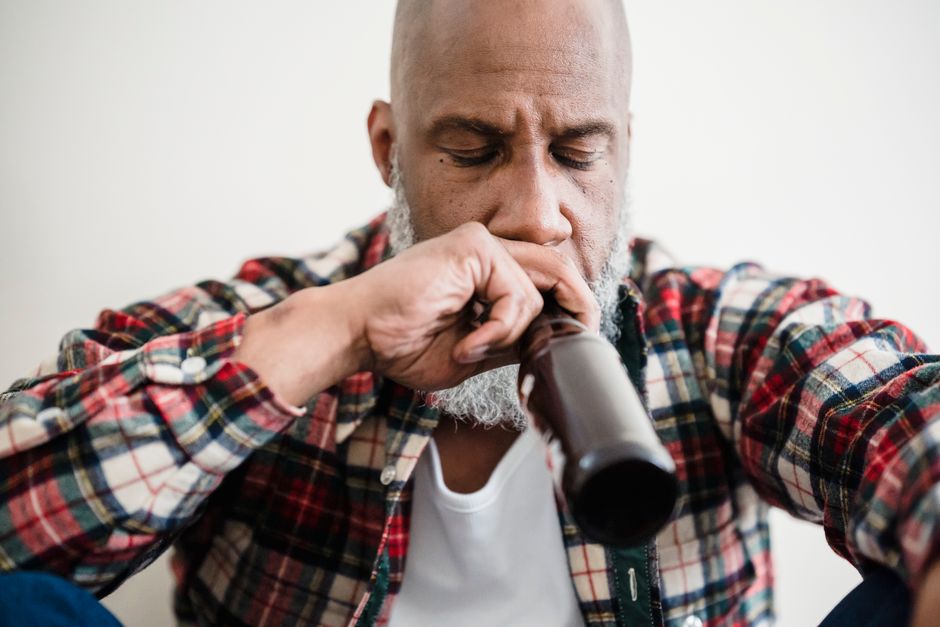
Alcohol touches nearly every part of the digestive system, but the esophagus takes the first hit. When you swallow a drink, it travels down this muscular tube before reaching the stomach. The tissue lining the esophagus is delicate, and alcohol is a direct irritant to it. This contact can cause immediate symptoms like heartburn and can lead to more serious conditions over time, including inflammation and an increased risk of cancer.
How Does Alcohol Affect The Esophagus Directly?
The esophagus is a muscular tube lined with a protective layer of tissue. Alcohol acts as a direct chemical irritant to this lining. The higher the alcohol concentration, the more damage it can cause to these cells.
This irritation breaks down the natural barrier that protects the esophageal tissue. When that barrier weakens, the tissue underneath becomes exposed to stomach acid and other irritants. This exposure is what drives most alcohol-related esophageal symptoms.
Alcohol also relaxes the lower esophageal sphincter. This is the ring of muscle at the bottom of the esophagus that acts as a one-way valve. When it relaxes too much, stomach contents flow backward into the esophagus. This backward flow is called reflux, and it brings harsh digestive acids into a place they do not belong.
Why Does Alcohol Cause Heartburn and Acid Reflux?
Heartburn is the most common immediate complaint after drinking. It happens because alcohol does two things at once. It relaxes the valve between the stomach and esophagus, and it increases acid production in the stomach.
The lower esophageal sphincter normally stays tightly closed except when swallowing. Alcohol impairs its ability to contract properly. This allows acidic stomach contents to wash back up into the esophagus. The esophageal lining has no protection against acid, unlike the stomach lining, so this exposure causes the burning sensation known as heartburn.
Some research suggests that certain types of alcohol trigger reflux more than others. Wine and spirits often cause more symptoms than beer, though individual responses vary widely. Carbonated mixers can also worsen reflux because the gas expands the stomach and pushes contents upward.
People who already have gastroesophageal reflux disease, commonly called GERD, tend to notice worse symptoms after drinking. Even people without a reflux diagnosis can experience temporary heartburn after a heavy drinking session.
Can Alcohol Cause Inflammation of the Esophagus?
Yes. Chronic heavy drinking can lead to esophagitis, which is inflammation of the esophageal lining. This condition develops when repeated irritation outpaces the tissue’s ability to repair itself.
Acute inflammation from a single heavy drinking episode usually resolves once the alcohol leaves the system. But repeated exposure creates a cycle of damage and repair. Over time, this cycle can lead to visible changes in the tissue that a doctor can see during an endoscopy.
Symptoms of esophagitis include pain with swallowing, chest pain, and a sensation of food getting stuck. Some people experience nausea or vomiting. These symptoms should not be ignored, especially if they persist for more than a few days after drinking stops.
Esophagitis from alcohol is often reversible if the person stops drinking and treats the underlying reflux. However, the timeline for healing varies. Some people improve within weeks, while others need several months of treatment and abstinence before symptoms fully resolve.





What Long-Term Damage Can Alcohol Cause?
Long-term heavy drinking can cause structural changes to the esophagus that do not fully reverse. The most serious concern is the development of Barrett’s esophagus. In this condition, the normal flat cells of the esophagus transform into a different cell type that resembles intestinal lining. This change is a response to chronic acid damage.
Barrett’s esophagus itself does not cause symptoms. It is typically found during an endoscopy performed for other reasons, most often chronic reflux. Having Barrett’s esophagus increases the risk of developing esophageal adenocarcinoma, a type of cancer.
Alcohol’s role in Barrett’s esophagus is tied to its effect on reflux. Because alcohol worsens reflux, it increases the likelihood of developing this precancerous condition, particularly in people who drink heavily over many years. The relationship between alcohol and esophageal cancer is well established in medical literature.
Alcohol is a recognized risk factor for both major types of esophageal cancer: squamous cell carcinoma and adenocarcinoma. Squamous cell carcinoma is more strongly linked to alcohol and tobacco use. Adenocarcinoma is more closely tied to chronic reflux and Barrett’s esophagus, which alcohol indirectly promotes.
The risk of esophageal cancer rises with the amount and duration of alcohol consumption. People who drink heavily for decades face the highest risk. The combination of alcohol and tobacco use multiplies the risk considerably beyond what either substance causes alone.
Does the Type of Alcohol Matter?
The concentration of alcohol matters more than the specific beverage type. Higher-proof spirits deliver more alcohol to the esophageal lining in a shorter period. This means straight liquor tends to cause more direct irritation than beer or wine.
However, the way people drink also affects the risk. Drinking on an empty stomach increases alcohol’s contact time with the esophagus and speeds absorption. Drinking quickly delivers a higher concentration at once. Both habits increase esophageal irritation.
Some compounds in certain alcoholic beverages may add to the risk. Research has suggested that compounds in some spirits and wines may contribute to tissue damage beyond the effect of alcohol itself. These findings are not fully settled, and the primary driver of harm remains the alcohol content.
Red wine is frequently reported as a trigger for heartburn more than other beverages. This may relate to its acidity and certain natural compounds. But any alcoholic beverage can cause symptoms in susceptible individuals.
What Are the Symptoms to Watch For?
Some symptoms after drinking are temporary and harmless. Others signal a need for medical evaluation. You should take persistent symptoms seriously rather than dismissing them as a normal consequence of drinking.
Symptoms that warrant a doctor visit include difficulty swallowing, pain when swallowing, chest pain that is not related to exertion, unexplained weight loss, vomiting blood, or stool that appears black and tarry. These can indicate serious esophageal damage.
Chronic hoarseness, a persistent cough, or a feeling like something is stuck in the throat can also be related to esophageal problems. These symptoms may indicate that reflux is reaching higher into the throat area.
Anyone who drinks heavily and experiences any of these symptoms should discuss them with a healthcare provider. An upper endoscopy is the standard test used to visualize the esophagus and assess for damage. This procedure allows a doctor to see inflammation, Barrett’s esophagus, or other abnormalities directly and take tissue samples if needed.
Can Quitting Alcohol Reverse Esophageal Damage?
Stopping alcohol use gives the esophagus its best chance to heal. The immediate irritation stops, and the lower esophageal sphincter begins to function more normally. For many people, reflux symptoms improve significantly within weeks of stopping.
Mild inflammation and irritation typically resolve completely with abstinence. More advanced changes, such as Barrett’s esophagus, do not reverse. However, stopping alcohol removes an ongoing source of damage and reduces the risk of progression to cancer.
People who stop drinking still need to manage reflux through other means if they have GERD. Diet changes, weight management, and medication may all be part of an effective treatment plan. Alcohol cessation is one component of a broader approach.
For people with alcohol use disorder, quitting is not simply a matter of willpower. Medical support, counseling, and sometimes medication are available and effective. A healthcare provider can guide treatment options and connect patients with appropriate resources.
Frequently Asked Questions
How long after quitting alcohol does the esophagus heal?
Mild irritation and reflux symptoms often improve within a few weeks of stopping alcohol. More significant inflammation may take several months to heal, and some structural changes are permanent.
Can occasional drinking damage the esophagus?
Occasional light drinking is unlikely to cause permanent esophageal damage in healthy people. However, even a single episode can trigger temporary heartburn or reflux symptoms.
Does alcohol cause esophageal cancer directly?
Yes, alcohol is a recognized risk factor for esophageal cancer, particularly squamous cell carcinoma. The risk increases with the amount and duration of alcohol consumption.
Is beer or liquor worse for acid reflux?
Higher-alcohol beverages like liquor generally cause more reflux symptoms than beer. However, any alcoholic drink can relax the esophageal sphincter and trigger symptoms in sensitive individuals.
