
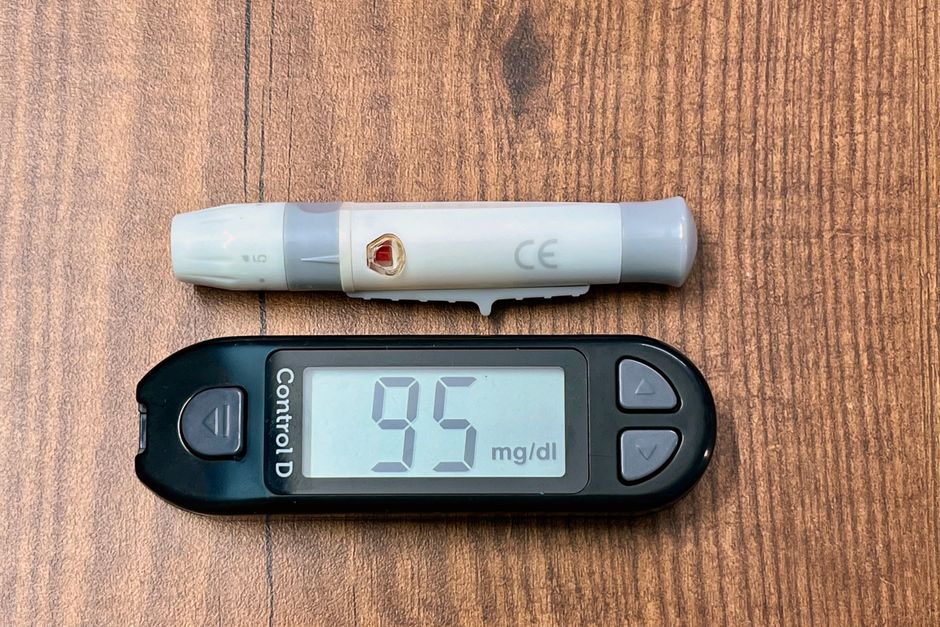
Your blood sugar level is the amount of glucose (sugar) in your blood at any given moment. For most healthy adults, a normal fasting blood glucose level is between 70 and 99 mg/dL. If you test your blood sugar two hours after a meal, a normal reading is typically below 140 mg/dL. These numbers are the standard clinical benchmarks used by doctors to assess how well your body manages sugar.
What Is Blood Glucose and Why Does It Matter?
Glucose is the main source of energy for your body’s cells. Your brain, muscles, and organs all rely on it to function. When you eat carbohydrates, your digestive system breaks them down into glucose, which enters your bloodstream. From there, the hormone insulin—produced by your pancreas—helps move glucose into your cells where it can be used for energy.
When this system works normally, your blood sugar stays within a relatively narrow range. When it doesn’t, blood sugar can climb too high (hyperglycemia) or drop too low (hypoglycemia). Both states can cause problems, but consistently high blood sugar is the primary concern for conditions like prediabetes and type 2 diabetes.
Your body is constantly regulating this process. Even between meals, your liver releases stored glucose to keep your levels stable. The balance is delicate, and several factors—including what you eat, how much you sleep, your stress level, and your physical activity—can influence the numbers you see on a glucose meter.
What’S Normal Glucose Levels by Testing Method
There are several ways to measure blood glucose, and each has its own normal range. The context of the test matters just as much as the number itself.
Fasting blood glucose. This test measures your blood sugar after you have not eaten for at least 8 hours. A normal fasting glucose is 70 to 99 mg/dL. A reading of 100 to 125 mg/dL indicates prediabetes. A reading of 126 mg/dL or higher on two separate tests indicates diabetes.
Postprandial (after-meal) glucose. This measures your blood sugar 2 hours after the start of a meal. A normal reading is below 140 mg/dL. Readings between 140 and 199 mg/dL suggest prediabetes. A reading of 200 mg/dL or higher indicates diabetes.
Random glucose test. This is a blood sugar test taken at any time of day, regardless of when you last ate. A normal random glucose is typically below 140 mg/dL. If a random reading is 200 mg/dL or higher and you have symptoms of high blood sugar—like increased thirst, frequent urination, or blurred vision—it strongly suggests diabetes.
Hemoglobin A1c. This test measures your average blood sugar over the past 2 to 3 months. It reflects the percentage of hemoglobin in your red blood cells that has glucose attached to it. A normal A1c is below 5.7%. An A1c of 5.7% to 6.4% indicates prediabetes. An A1c of 6.5% or higher indicates diabetes.
Blood Sugar Ranges at a Glance
| Test | Normal | Prediabetes | Diabetes |
|---|---|---|---|
| Fasting glucose | 70–99 mg/dL | 100–125 mg/dL | 126 mg/dL or higher |
| 2-hour after meal | Below 140 mg/dL | 140–199 mg/dL | 200 mg/dL or higher |
| Random glucose | Below 140 mg/dL | — | 200 mg/dL or higher with symptoms |
| A1c | Below 5.7% | 5.7%–6.4% | 6.5% or higher |
What Causes Blood Sugar to Spike or Drop?
Blood sugar naturally rises after you eat and falls as your body uses the glucose for energy. That is normal. The problem occurs when your body cannot regulate these swings effectively.
Carbohydrate intake. Foods high in refined carbohydrates—white bread, sugary drinks, pastries—cause rapid spikes in blood sugar because they are digested quickly. Foods with fiber, protein, and healthy fats slow the absorption of glucose, producing a more gradual rise.
Physical activity. Exercise makes your muscles more sensitive to insulin. This means your cells can take up glucose more efficiently. Regular physical activity can lower fasting blood sugar and improve A1c levels over time.
Stress and illness. When you are stressed or sick, your body releases hormones like cortisol and adrenaline. These hormones signal your liver to release stored glucose, which raises blood sugar. This is a normal survival response, but chronic stress can keep blood sugar levels elevated.
Sleep. Poor sleep affects insulin sensitivity. Studies have shown that even a few nights of inadequate sleep can impair your body’s ability to regulate glucose. This is one reason why sleep is increasingly recognized as a factor in metabolic health.
Medications. Some medications can raise blood sugar, including corticosteroids, certain diuretics, and some antipsychotic drugs. Others, like insulin and certain diabetes medications, lower it. If you take any medication, ask your doctor whether it affects your blood sugar.





Who Should Check Their Blood Sugar?
If you are healthy and have no risk factors for diabetes, routine blood sugar testing is not necessary. Your doctor will likely check your fasting glucose or A1c as part of a standard physical exam, especially if you are over 45 or have other risk factors.
You should be tested earlier or more frequently if you have any of the following risk factors:
- Body mass index (BMI) of 25 or higher
- Family history of type 2 diabetes
- History of gestational diabetes
- High blood pressure (140/90 mmHg or higher)
- HDL cholesterol below 35 mg/dL or triglycerides above 250 mg/dL
- Polycystic ovary syndrome (PCOS)
- Being physically inactive
If you have been diagnosed with prediabetes or diabetes, your doctor will give you a specific testing schedule. That typically involves checking your fasting glucose daily and your A1c every 3 to 6 months.
How to Keep Blood Sugar in a Normal Range
The same habits that keep blood sugar normal also protect your heart, your weight, and your overall metabolic health. There is no single magic food or supplement that fixes blood sugar. It comes down to consistent daily choices.
Eat a balanced diet. Focus on whole foods—vegetables, fruits, whole grains, lean proteins, and healthy fats. Limit processed foods and added sugars. The order in which you eat matters too. Some research suggests that eating protein and vegetables before carbohydrates can blunt the post-meal glucose spike.
Move your body regularly. The American Diabetes Association recommends at least 150 minutes of moderate-intensity aerobic activity per week, spread over at least 3 days. Resistance training—like lifting weights or doing bodyweight exercises—is also beneficial because muscle tissue takes up glucose independently of insulin.
Manage stress. Chronic stress keeps cortisol levels high, which promotes glucose release from the liver. Deep breathing, meditation, and regular physical activity are practical ways to lower stress.
Get enough sleep. Aim for 7 to 9 hours of quality sleep per night. Sleep deprivation affects the hormones that regulate appetite and glucose metabolism. It is not just about feeling tired—it directly affects how your body processes sugar.
Stay hydrated. Dehydration can concentrate blood sugar. Drinking enough water helps your kidneys flush excess glucose through urine. There is no evidence that any specific amount of water beyond standard daily needs lowers blood sugar, but staying hydrated is a reasonable part of overall health.
When to See a Doctor
If you have symptoms of high blood sugar—frequent urination, excessive thirst, unexplained weight loss, blurred vision, or fatigue—see a doctor. These symptoms can indicate undiagnosed diabetes.
If you have symptoms of low blood sugar—shakiness, sweating, confusion, irritability, or rapid heartbeat—you should also seek medical advice. Low blood sugar can be dangerous, especially if it happens frequently.
Do not try to diagnose yourself based on home glucose monitoring alone. Home meters are helpful tools for people who already know they have diabetes or prediabetes. But a single home reading is not enough to establish a diagnosis. A doctor will confirm any diagnosis with standard laboratory tests.
If you are diagnosed with prediabetes, take it seriously. Prediabetes is a warning sign, not a life sentence. Research consistently shows that losing 5% to 7% of your body weight and increasing physical activity can reduce your risk of progressing to type 2 diabetes by more than 50%.
Frequently Asked Questions
What is a normal blood sugar level for adults?
For most adults, a normal fasting blood sugar is 70 to 99 mg/dL, and a normal reading 2 hours after a meal is below 140 mg/dL. A1c should be below 5.7%.
Is 100 mg/dL fasting blood sugar normal?
No. A fasting glucose of 100 to 125 mg/dL is classified as prediabetes. It means your blood sugar is higher than normal but not high enough to be diabetes.
What should blood sugar be 2 hours after eating?
A normal 2-hour post-meal blood sugar is below 140 mg/dL. Readings of 140 to 199 mg/dL suggest prediabetes, and 200 mg/dL or higher suggests diabetes.
How often should I check my blood sugar?
If you are healthy with no diabetes risk factors, you do not need to check at home. If you have prediabetes or diabetes, follow your doctor’s testing schedule—usually daily fasting checks and an A1c every 3 to 6 months.
