
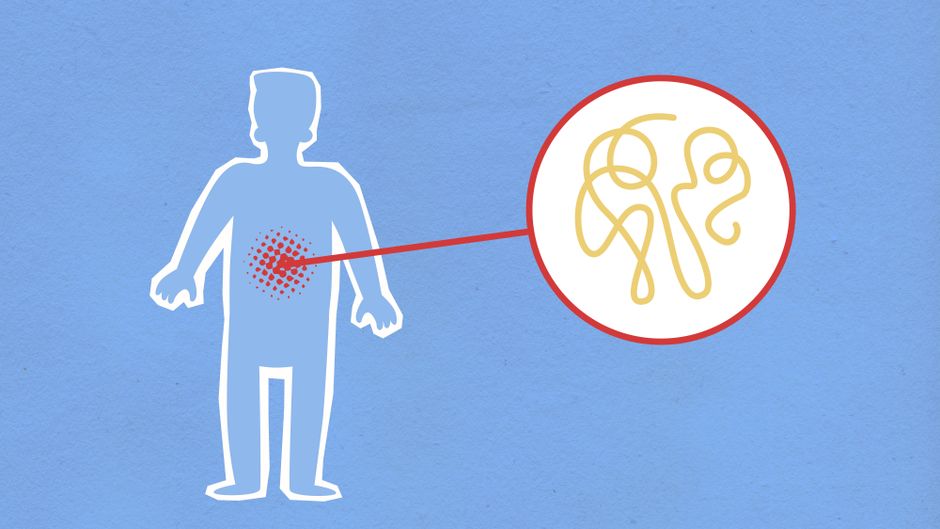
Stomach inflammation, known medically as gastritis, is one of the most common digestive complaints. It happens when the protective lining of your stomach becomes irritated, swollen, or worn down. The good news is that most cases improve with the right combination of dietary changes, stress management, and—when needed—medical treatment. What works for one person may not work for another, but the core principles of calming an inflamed stomach are consistent and well-supported by clinical evidence.
What Actually Causes Stomach Inflammation?
Gastritis is not a single disease. It is a condition with several distinct causes, and knowing the cause matters for treatment. The most common cause worldwide is an infection with Helicobacter pylori (H. pylori), a bacterium that lives in the stomach lining. Long-term use of nonsteroidal anti-inflammatory drugs (NSAIDs) like ibuprofen, naproxen, or aspirin is another leading cause. These medications interfere with the production of prostaglandins, which are chemicals that protect the stomach lining.
Excess alcohol consumption directly irritates and erodes the gastric mucosa. Stress, particularly severe physical stress from surgery, major injury, or critical illness, can also trigger acute gastritis. In some cases, the immune system mistakenly attacks the stomach lining, a condition called autoimmune gastritis. Bile reflux—where bile flows backward into the stomach—can also cause inflammation.
Identifying the specific cause is not just academic. It changes the treatment plan. H. pylori requires antibiotics. NSAID-induced gastritis requires stopping the medication. Autoimmune gastritis requires long-term monitoring for nutrient deficiencies, particularly vitamin B12.
What’s Good for Inflammation of the Stomach: Foods That Help
Diet is the first line of defense for most people with gastritis. The goal is to reduce irritation while giving the stomach lining a chance to heal. No single food cures gastritis, but certain foods are consistently well-tolerated and may actively support healing.
High-fiber foods are a good starting point. Oatmeal, brown rice, barley, and whole grains are gentle on the stomach and may help reduce inflammation. Research suggests that diets rich in soluble fiber are associated with lower rates of gastritis. Fruits and vegetables, particularly non-citrus options like bananas, apples, melons, and leafy greens, provide antioxidants that may protect the stomach lining.
Probiotic-rich foods deserve attention. Yogurt with live cultures, kefir, and fermented foods like sauerkraut and kimchi introduce beneficial bacteria to the digestive tract. Some studies suggest that probiotics may help suppress H. pylori activity and reduce the side effects of antibiotic treatment. The evidence is not strong enough to call probiotics a cure, but they are a reasonable addition to a gastritis-friendly diet.
Lean proteins are generally safe. Skinless chicken, turkey, fish, and tofu are less likely to trigger symptoms than fatty or heavily processed meats. Cooking methods matter too. Steaming, baking, or boiling is gentler than frying.
Small, frequent meals are often better than three large ones. A less full stomach produces less acid and puts less pressure on the inflamed lining. Eating slowly and chewing thoroughly also reduces the digestive burden.
Foods and Drinks to Avoid With Gastritis
Just as some foods help, others clearly worsen inflammation. Spicy foods, particularly those containing chili peppers or hot sauce, directly irritate an already inflamed stomach lining. Acidic foods like tomatoes, citrus fruits, and vinegar can trigger burning pain in some people, though individual tolerance varies.
Alcohol is a direct irritant to the gastric mucosa. It increases acid production and can erode the protective mucus layer. Most gastroenterologists recommend complete avoidance during an active flare.
Caffeine stimulates acid secretion. Coffee, black tea, and caffeinated sodas can worsen symptoms. Herbal teas like chamomile or ginger tea are better alternatives.
Fried and high-fat foods slow gastric emptying and increase acid exposure. Carbonated beverages cause bloating and distension, which can aggravate discomfort. Chocolate contains both caffeine and fat, making it a double trigger for many people.
NSAIDs are not food, but they deserve mention here. If you take ibuprofen or aspirin regularly for pain, talk to your doctor about alternatives. Acetaminophen (Tylenol) does not irritate the stomach lining the way NSAIDs do, though it is not appropriate for everyone.





Lifestyle Changes That Reduce Stomach Inflammation
Diet is only part of the picture. Several lifestyle factors directly influence gastric health.
Smoking cessation is one of the most impactful changes. Tobacco smoke impairs blood flow to the stomach lining, slows healing, and increases acid production. Smokers with gastritis have higher rates of complications and slower recovery.
Stress management matters, though the mechanism is often misunderstood. Psychological stress does not directly cause stomach ulcers, but it can increase acid secretion and reduce blood flow to the digestive tract. This can worsen existing inflammation and make symptoms more noticeable. Relaxation techniques, adequate sleep, and regular moderate exercise all support digestive health.
Weight management is relevant for some people. Excess abdominal weight increases intra-abdominal pressure, which can worsen reflux and delay gastric emptying. This is more directly relevant to gastroesophageal reflux disease (GERD) than to gastritis, but the two conditions often coexist.
Medical Treatments for Stomach Inflammation
Diet and lifestyle changes are helpful, but they are often insufficient alone—especially when an infection or medication is the root cause.
Acid reducers are the mainstay of treatment. Proton pump inhibitors (PPIs) like omeprazole, esomeprazole, and lansoprazole are the most effective. They block acid production at the cellular level, allowing the stomach lining to heal. H2 blockers like famotidine and ranitidine are a second option that reduces acid less powerfully. Antacids like Tums or Maalox neutralize existing acid and provide rapid but short-lived relief.
If H. pylori is present, antibiotics are required. The standard treatment is a combination of two antibiotics plus a PPI, taken for 10 to 14 days. Eradication rates are high when the full course is completed. Re-testing after treatment is standard practice to confirm the infection is gone.
If NSAIDs caused the gastritis, stopping the medication is the primary treatment. If you need ongoing pain relief, discuss alternatives with your doctor. Sometimes a PPI is prescribed alongside NSAIDs for people who must continue taking them.
For severe cases with bleeding, hospitalization may be necessary. Endoscopic treatment can stop active bleeding. This is uncommon but serious, and it requires immediate medical attention.
When to See a Doctor for Stomach Inflammation
Mild gastritis often improves within a week or two of dietary changes and over-the-counter acid reducers. But some symptoms require prompt medical evaluation.
Seek care if you experience blood in your vomit (which may look like coffee grounds), black or tarry stools, or severe abdominal pain. These can indicate bleeding in the stomach or a perforated ulcer, both of which are emergencies.
See a doctor if symptoms last more than two weeks despite home treatment, if you have unintentional weight loss, or if you have persistent difficulty swallowing. Unexplained anemia, fatigue, or shortness of breath can also indicate chronic blood loss from the stomach.
People over 45 with new-onset digestive symptoms should have a lower threshold for seeking evaluation. The risk of more serious conditions, including stomach cancer, increases with age. A simple blood test or breath test can check for H. pylori, and an endoscopy can visually examine the stomach lining when needed.
Natural Remedies: What the Evidence Actually Shows
Several natural products are marketed for stomach inflammation. Some have genuine evidence behind them. Others do not.
Ginger has anti-inflammatory properties and is widely used for nausea and digestive discomfort. Small studies suggest it may help reduce gastric irritation. It is generally safe in culinary amounts, though high doses can cause heartburn in some people.
Chamomile tea has mild anti-inflammatory and antispasmodic effects. It is soothing and safe, though it is not a treatment for active gastritis.
Licorice root, specifically deglycyrrhizinated licorice (DGL), is sometimes recommended for gastritis. Some research suggests it may help protect the stomach lining. However, whole licorice root can cause serious side effects, including high blood pressure and low potassium, so only DGL forms should be considered.
Honey has antibacterial properties, and some laboratory studies show it can inhibit H. pylori. Whether this translates to meaningful clinical benefit in humans is not well established. Using honey as a sweetener is fine, but do not rely on it as a treatment.
No natural remedy has been proven to cure gastritis. They may complement medical treatment, but they should not replace it—especially when H. pylori is involved.
How Long Does Stomach Inflammation Take to Heal?
Healing time depends entirely on the cause. Acute gastritis from a short course of NSAIDs or a bout of heavy drinking can improve within days once the trigger is removed. Chronic gastritis from H. pylori takes longer. The infection must be eradicated with antibiotics, and the stomach lining typically takes several weeks to heal afterward.
Even after symptoms resolve, the stomach lining may not be fully normal. This is why following the dietary and lifestyle recommendations matters even after you feel better. Recurrence is common when the underlying cause is not addressed or when triggers are reintroduced quickly.
For most people, noticeable improvement occurs within one to two weeks of starting treatment. Complete resolution of symptoms is expected within four to eight weeks for uncomplicated cases. If symptoms persist beyond this, further evaluation is warranted.
Frequently Asked Questions
What is the fastest way to calm stomach inflammation?
Stop eating irritating foods, avoid alcohol and NSAIDs, and take an over-the-counter acid reducer like omeprazole or famotidine. Most people feel improvement within 24 to 48 hours of removing the trigger.
Is yogurt good for stomach inflammation?
Yes, plain yogurt with live cultures is generally well-tolerated and may help by introducing beneficial bacteria. Choose low-fat, unsweetened varieties to avoid added sugar and excess fat.
Can stress alone cause stomach inflammation?
Stress alone does not cause gastritis, but it can worsen existing inflammation and make symptoms more intense. Managing stress supports recovery but does not replace treating the underlying cause.
How do I know if my stomach inflammation is serious?
Black or tarry stools, vomit that looks like coffee grounds, severe pain, or unintentional weight loss require immediate medical attention. Persistent symptoms lasting more than two weeks should also be evaluated by a doctor.
