
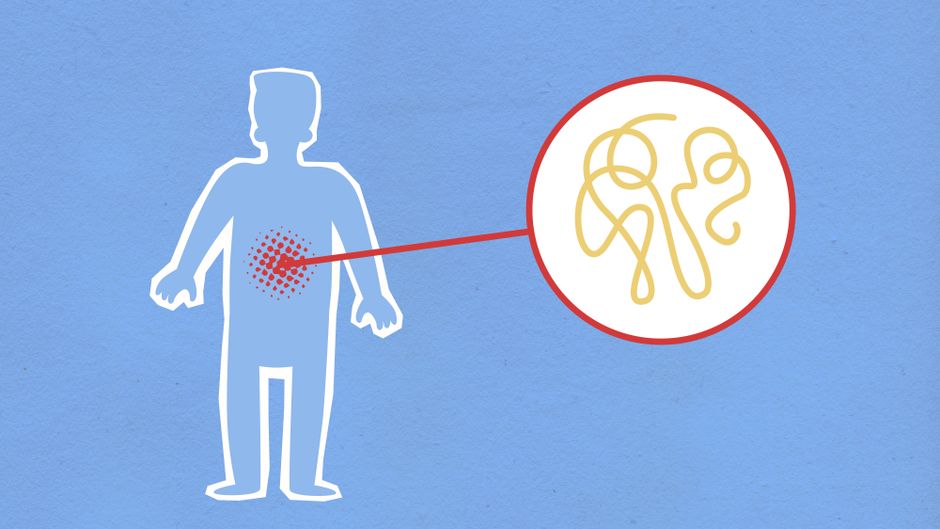
Gut inflammation is not something you fix with a single pill or a weekend cleanse. It is a physical state in your digestive tract, and reducing it naturally means changing what you eat, how you manage stress, and how you sleep. The most effective natural approach is to remove foods that irritate the gut lining, add foods that support repair, and give your digestive system consistent time to recover. This is a process that takes weeks, not days, and the results depend heavily on what is actually causing the inflammation in the first place.
What Does Gut Inflammation Actually Mean?
Inflammation in the gut is your immune system’s response to something it sees as a threat. That threat can be an infection, a food you are sensitive to, or a chronic condition like inflammatory bowel disease. When the immune system activates, it sends white blood cells to the intestinal lining, which causes swelling, pain, and sometimes damage to the tissue itself.
There is a difference between short-term inflammation and long-term inflammation. Acute inflammation is normal and necessary. It happens when you eat something contaminated or fight off a stomach bug. Chronic inflammation is different. It persists for months or years and is linked to conditions like Crohn’s disease, ulcerative colitis, and celiac disease. If you have chronic digestive symptoms, the first step is not a natural remedy. It is a medical evaluation to rule out these conditions.
What Foods Are Known To Trigger Gut Inflammation?
The most common dietary triggers are highly processed foods, refined sugars, and industrial seed oils. These foods are not just empty calories. They change the balance of bacteria in your colon and can directly irritate the intestinal lining. For many people, the biggest offenders are artificial sweeteners, emulsifiers found in packaged foods, and alcohol.
Specific food sensitivities are highly individual. Lactose in dairy, gluten in wheat, and fructose in certain fruits cause problems for some people but not others. If you suspect a food is causing your symptoms, the standard clinical approach is an elimination diet. You remove the suspected foods for two to four weeks, then reintroduce them one at a time to see how your body responds. This is the most reliable way to identify your personal triggers without expensive testing.
Research consistently shows that a diet high in ultra-processed foods is associated with higher markers of intestinal inflammation. The mechanism is not fully understood, but the evidence linking processed food consumption to gut problems is strong. Whole foods, by contrast, contain fiber and polyphenols that feed beneficial bacteria and support the mucus layer that protects the intestinal wall.
How To Get Rid Of Gut Inflammation Naturally With Diet
An anti-inflammatory diet for the gut is not exotic. It is a return to basic whole foods. Vegetables, fruits, legumes, nuts, seeds, and lean proteins form the foundation. These foods provide soluble fiber, which beneficial bacteria ferment into short-chain fatty acids like butyrate. Butyrate is the primary fuel for the cells lining your colon and plays a direct role in reducing inflammation.
Fermented foods can also help, but the evidence is more nuanced. Yogurt, kefir, sauerkraut, and kimchi contain live bacteria that can temporarily populate the gut. Some studies suggest these foods reduce inflammatory markers, while others show no significant effect. The quality and strain of bacteria matter, and no single fermented food has been proven to cure gut inflammation. Including them in a balanced diet is reasonable, but they are not a treatment.
Omega-3 fatty acids from fatty fish like salmon and sardines have well-documented anti-inflammatory properties. The evidence for their benefit in gut inflammation specifically is less strong than for joint or cardiovascular inflammation, but they are a healthy addition to any diet. You can get omega-3s from plant sources like walnuts and flaxseeds, though the conversion rate in your body is low.
Spices like turmeric and ginger contain compounds that reduce inflammation in laboratory studies. Human trials are limited, and the doses used in research are often much higher than what you would consume in food. Turmeric with black pepper increases absorption, but the clinical evidence for using these spices to treat gut inflammation is still emerging. They are safe to include in cooking, but do not expect a dramatic effect.



Can Probiotics And Supplements Actually Help?
Probiotics are one of the most heavily marketed supplements for gut health, and the evidence is mixed. Certain strains, particularly from the Lactobacillus and Bifidobacterium families, have shown benefit in specific conditions like antibiotic-associated diarrhea and some cases of irritable bowel syndrome. For general gut inflammation, no single probiotic strain has been proven effective in large human trials.
The problem with probiotics is that they are not regulated like medications. Different brands contain different strains and different doses. A product that works for one person may do nothing for another. If you choose to try a probiotic, look for one that specifies the strain and the colony-forming units. Give it at least four weeks before judging the effect, and stop if you notice increased bloating or discomfort.
Vitamin D is worth checking. Deficiency is common, and vitamin D plays a role in immune regulation. Some studies have found that people with inflammatory bowel disease tend to have lower vitamin D levels, but it is unclear whether supplementation improves gut inflammation directly. A blood test can tell you if you are deficient, and correcting a deficiency has broad health benefits.
Zinc and glutamine are sometimes recommended for gut repair. Zinc supports the intestinal barrier, and glutamine is a fuel source for intestinal cells. However, no clinical guidelines currently recommend these supplements specifically for gut inflammation in otherwise healthy people. High doses of zinc can cause nausea and interfere with copper absorption, so do not take it without a reason.
How Stress And Sleep Affect Gut Inflammation
The gut and the brain are directly connected through the vagus nerve. Stress activates the sympathetic nervous system, which slows digestion and reduces blood flow to the intestines. Chronic stress is associated with increased intestinal permeability, sometimes called leaky gut, and higher levels of inflammatory markers in the digestive tract.
Managing stress is not a soft recommendation. It is a physiological intervention. Mindfulness-based practices, regular moderate exercise, and adequate sleep all reduce circulating stress hormones. The evidence that these practices reduce gut inflammation specifically is indirect, but the biological pathway is well established. If you are constantly stressed, dietary changes alone may not resolve your symptoms.
Sleep is equally important. Your gut has its own circadian rhythm, and disrupted sleep patterns alter the gut microbiome and increase inflammation. Most adults need seven to nine hours of sleep per night. If you are not getting that consistently, it undermines every other effort you make to reduce inflammation.
What To Avoid While Trying To Reduce Gut Inflammation
Nonsteroidal anti-inflammatory drugs like ibuprofen and naproxen can irritate the stomach lining and worsen intestinal inflammation. If you take these regularly for pain, talk to your doctor about alternatives. Acetaminophen is gentler on the gut but does not reduce inflammation.
Alcohol is directly toxic to the intestinal lining. Even moderate drinking can increase intestinal permeability, and heavy drinking is strongly associated with gut inflammation. If you are trying to reduce inflammation, eliminating alcohol for a period of time is the clearest single step you can take.
Smoking is one of the strongest known risk factors for Crohn’s disease, and it worsens outcomes in people who already have it. If you smoke and have gut issues, quitting is the highest-impact change you can make. This is one area where the evidence is unambiguous.
When To See A Doctor For Gut Inflammation
Natural approaches have limits. If you experience unexplained weight loss, blood in your stool, persistent fever, or severe abdominal pain, do not try to manage this at home. These symptoms require medical evaluation. Conditions like Crohn’s disease, ulcerative colitis, and colorectal cancer need proper diagnosis and treatment.
Even without those red flags, if your symptoms have lasted more than a few weeks, see a healthcare provider. They can run tests to rule out infections, food intolerances, and inflammatory conditions. Natural approaches work best when they are guided by an accurate understanding of what is causing your inflammation. Guessing can delay effective treatment.
Frequently Asked Questions
How long does it take to reduce gut inflammation naturally?
Most people notice improvement within two to four weeks of consistent dietary changes. Full resolution of chronic inflammation can take several months and depends on the underlying cause.
What is the fastest way to reduce gut inflammation?
Eliminating alcohol, ultra-processed foods, and known food triggers while eating whole foods is the fastest evidence-based approach. There is no quick fix that works overnight.
Is a leaky gut a real medical condition?
Increased intestinal permeability is a real physiological phenomenon, but leaky gut as a standalone diagnosis is not widely accepted in mainstream medicine. It is associated with conditions like celiac disease and IBD, but no standard test diagnoses it in otherwise healthy people.
Can stress alone cause gut inflammation?
Stress does not cause inflammation on its own, but it can worsen existing inflammation and increase intestinal permeability. Managing stress is an important part of reducing gut symptoms, but it rarely works alone.
