
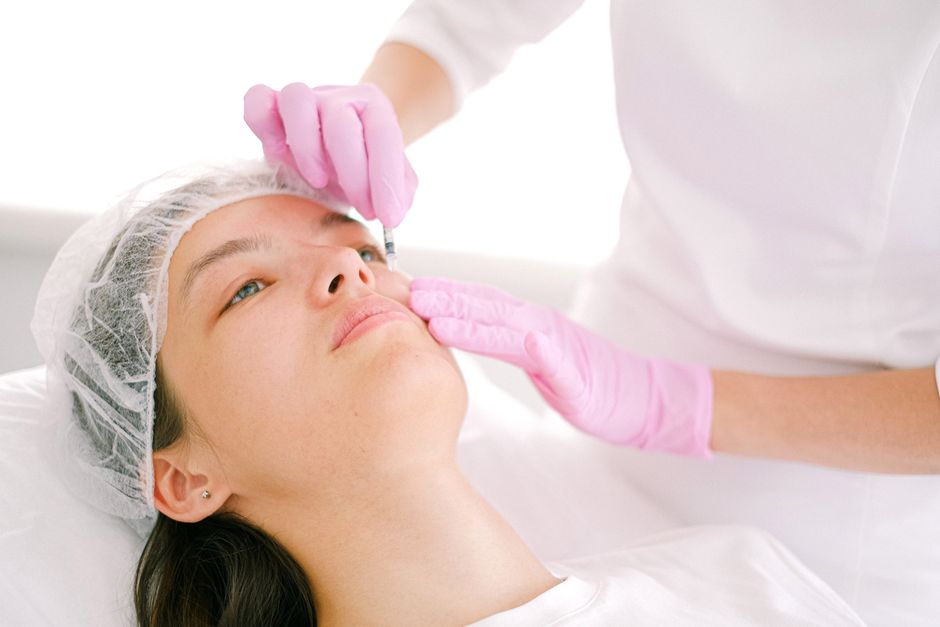
Botox is a purified protein made from botulinum toxin type A, which is produced by the bacterium Clostridium botulinum. In its injectable form, it contains the active neurotoxin along with human albumin (a blood protein) and sodium chloride (salt). When injected in tiny, controlled doses, it temporarily blocks nerve signals to muscles, which is why it smooths wrinkles and treats certain medical conditions.
Where Does Botox Come From?
Botulinum toxin is a natural substance made by bacteria found in soil, lakes, and forests. In large amounts, it causes botulism, a serious form of food poisoning. That sounds alarming, but the medical version is completely different.
Scientists purify the toxin in a laboratory and dilute it to an extremely small dose. The final product contains only nanograms of the active protein. For reference, a single grain of salt weighs about 60,000 nanograms. The purification process removes everything that causes illness, leaving only the targeted protein that doctors use for treatment.
The name “Botox” is a brand name. The active ingredient is onabotulinumtoxinA. Other brands include Dysport (abobotulinumtoxinA), Xeomin (incobotulinumtoxinA), and Jeuveau (prabotulinumtoxinA). All work the same basic way but have slightly different formulations and potencies.
What Exactly Is in a Botox Vial?
Each vial of Botox contains three main ingredients:
- Botulinum toxin type A — the active protein that blocks nerve signals
- Human albumin — a protein that stabilizes the toxin so it does not break down
- Sodium chloride — salt that helps maintain the proper balance
The toxin itself is a large protein complex. It attaches to nerve endings and prevents them from releasing acetylcholine, a chemical messenger that tells muscles to contract. Without that signal, the muscle relaxes.
This effect is temporary. The body gradually grows new nerve endings over three to four months, and muscle movement returns. That is why repeat treatments are needed to maintain results.
How Does Botox Work in the Body?
When Botox is injected into a muscle, the toxin binds to the nerve ending at the neuromuscular junction — the point where a nerve meets a muscle. It enters the nerve cell and blocks the release of acetylcholine.
Acetylcholine is the neurotransmitter responsible for triggering muscle contractions. When its release is blocked, the muscle cannot receive the “contract” signal. It stays relaxed.
This mechanism is well understood and has been studied for decades. The effect is localized — Botox does not travel far from the injection site when used correctly. It stays where it is injected and affects only the targeted muscle.
The cosmetic result is smoother skin because the underlying muscle stops pulling on it. For medical uses, the same mechanism helps treat conditions caused by overactive muscles, such as cervical dystonia (neck spasms), strabismus (crossed eyes), and chronic migraines.





Is Botox Safe?
Botox has been approved by the FDA for medical use since 1989 and for cosmetic use since 2002. Decades of clinical use and research have established its safety profile when administered by qualified professionals.
Side effects are usually mild and temporary. The most common include pain, swelling, or bruising at the injection site, headache, and flu-like symptoms. These typically resolve within a few days.
More serious complications are rare but possible. If the toxin spreads beyond the injection site, it can cause muscle weakness, difficulty swallowing, or breathing problems. This is why the dose matters and why treatment should only be performed by licensed healthcare providers with proper training.
Botox should not be used by people who are allergic to any of its ingredients, or by those with certain neurological conditions. Pregnant or breastfeeding women should avoid it because no adequate studies have confirmed its safety in these populations.
What Happens If Botox Is Not Stored or Handled Correctly?
Botox is a fragile protein. It requires careful handling to remain effective. Before use, the powder must be reconstituted with sterile saline solution. The mixing process must be gentle — vigorous shaking can damage the protein structure and reduce effectiveness.
Once mixed, the solution should be used promptly. Unopened vials have a shelf life, but opened or reconstituted vials do not last long. Improper storage or handling can make the product less effective or, in rare cases, unsafe.
This is one reason why Botox should always be obtained and administered by licensed medical professionals. Products sold online or through unregulated sources may be counterfeit, improperly stored, or contain unknown substances. There is no safe way to verify the quality of such products.
Does Botox Contain Any Animal Products?
Yes. Human albumin is derived from donated human blood plasma. It goes through extensive screening and purification processes to remove viruses and other pathogens. The risk of transmitting disease through albumin is extremely low.
Some people ask whether Botox contains egg, gelatin, or other common allergens. Standard Botox does not contain these. However, individual formulations vary by brand, so anyone with allergies should discuss their specific concerns with their doctor.
People with religious or personal objections to blood products should know that human albumin is a component. Some alternative formulations use different stabilizers. A doctor can explain the options.
What Is the Difference Between Botox and Dermal Fillers?
Botox and dermal fillers are often confused because both are injectable cosmetic treatments. They work completely differently.
Botox relaxes muscles. It is made from botulinum toxin and is used for dynamic wrinkles — the lines that appear when you frown, squint, or raise your eyebrows. These are sometimes called expression lines.
Dermal fillers add volume. They are made from substances like hyaluronic acid, calcium hydroxylapatite, or poly-L-lactic acid. They are used for static wrinkles, hollow areas, and loss of facial volume that comes with aging.
Some patients benefit from both treatments. A doctor might use Botox on the forehead and fillers in the cheeks, for example. But they are not interchangeable.
How Long Does Botox Last?
The effects of Botox typically last three to four months. This varies by individual, the area treated, and the dose used. Some people find results last closer to two months; others may get five months or more.
Over time, some patients find their results last longer with repeated treatments. The muscle becomes weaker from being repeatedly relaxed, so it takes longer to recover full movement. This is not guaranteed and should not be expected.
When the effect wears off, the muscle returns to its normal function. There is no permanent damage. Wrinkles may appear deeper over time if the underlying muscle activity continues, but Botox does not accelerate aging.
Can Botox Be Reversed?
No instant reversal agent exists for Botox. Once injected, the effect lasts until the body naturally clears the toxin and grows new nerve connections.
This takes time — typically three to four months. If a patient is unhappy with the result, they must wait for the effect to wear off. There is no injection or medication that speeds this up.
This is why choosing an experienced injector matters. A skilled professional understands facial anatomy and doses appropriately to achieve natural-looking results.
Frequently Asked Questions
Is Botox made from snake venom?
No. Botox is made from a protein produced by the bacterium Clostridium botulinum, not from snakes. The name sounds similar to “botulism,” which is the illness caused by this bacterium in its natural, dangerous form.
Is Botox a toxin that stays in your body forever?
No. The body breaks down Botox over several months, and its effects fade as new nerve connections form. It does not accumulate in the body with repeated use.
Can you be allergic to Botox?
Yes, allergic reactions are possible, though rare. Symptoms can include itching, rash, swelling, or difficulty breathing. Anyone with a known allergy to botulinum toxin or any ingredient in the formulation should not receive Botox.
Is Botox the same as a filler?
No. Botox relaxes muscles and treats dynamic wrinkles. Fillers add volume and treat static wrinkles and hollow areas. They are different products with different ingredients and different purposes.
