
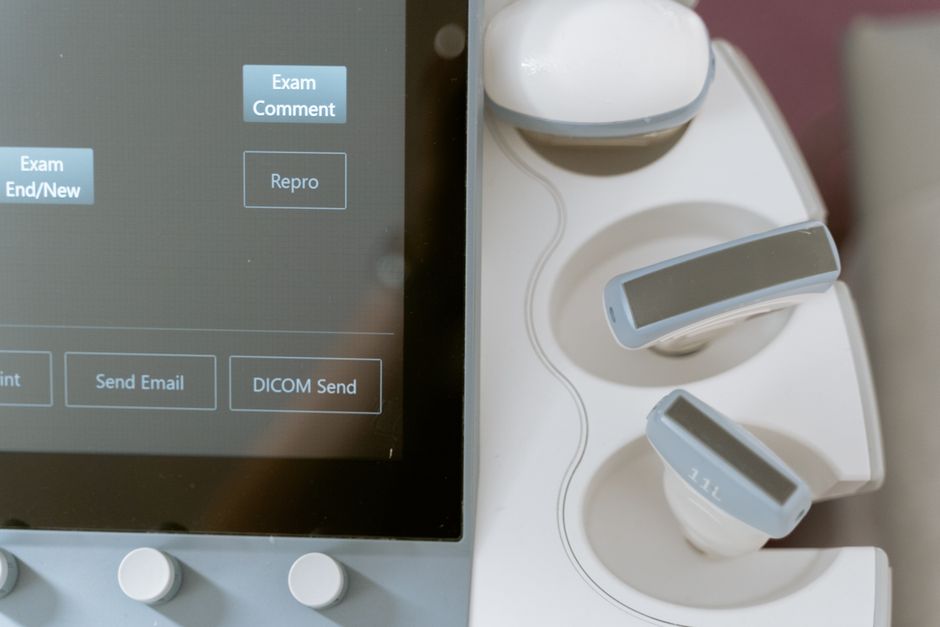
A DEXA scan is a type of X-ray test that measures bone density. The name stands for dual-energy X-ray absorptiometry. It is the standard test used to diagnose osteoporosis and assess a person’s risk of breaking a bone.
How Does a DEXA Scan Work?
A DEXA scan uses two different X-ray beams. Each beam has a different energy level. One beam is absorbed by bone, and the other is absorbed by soft tissue. By comparing the two images, the machine can calculate exactly how much bone you have.
The amount of X-ray radiation is very low. In fact, a single DEXA scan delivers less radiation than a standard chest X-ray. Most people feel nothing during the test. You lie on a padded table while a scanning arm passes over your body.
The scan usually focuses on two areas: the lower spine and the hip. These are the most common places for osteoporosis-related fractures. Sometimes a forearm scan is done as well, especially if the hip or spine cannot be measured.
Who Should Get a DEXA Scan?
Not everyone needs a DEXA scan. Doctors use specific guidelines to decide who should be tested. The most common reasons include age, fracture history, and certain medical conditions.
Women aged 65 and older should have a bone density test. Men aged 70 and older should also be tested. These recommendations come from major medical organizations and are based on the fact that bone loss accelerates with age.
You may need a scan earlier if you have risk factors. These include:
- A previous bone fracture after age 50
- Rheumatoid arthritis or other inflammatory conditions
- Long-term use of corticosteroid medications like prednisone
- Early menopause, especially before age 45
- Low body weight or significant weight loss
- A family history of osteoporosis
Your doctor may also order a DEXA scan if you have lost height, developed a curved spine, or have back pain that could be caused by a spinal fracture.
Understanding Your DEXA Scan Results
DEXA scan results come in two numbers: a T-score and a Z-score. The T-score is the one doctors use most often. It compares your bone density to that of a healthy young adult of the same sex.
The T-score is measured in standard deviations. Here is how the numbers are interpreted:
- -1.0 and above: Normal bone density
- Between -1.0 and -2.5: Osteopenia, which means lower than normal bone density
- -2.5 and below: Osteoporosis
The Z-score compares your bone density to people of the same age, sex, and body size. A Z-score below -2.0 may suggest that something other than aging is causing bone loss. Your doctor may order more tests to look for underlying conditions.
Each point on the T-score scale represents a significant difference in fracture risk. A T-score of -2.5 means your bone density is 2.5 standard deviations below the average for a healthy young adult. This level of bone loss substantially increases the risk of fracture.





What Happens After an Abnormal Result?
An abnormal DEXA scan does not automatically mean you will break a bone. It means your bones are weaker than they should be, and your fracture risk is higher. The next step depends on your T-score and your overall health.
For people with osteopenia, doctors often recommend lifestyle changes first. This includes getting enough calcium and vitamin D, doing weight-bearing exercise, stopping smoking, and limiting alcohol. These changes may slow bone loss, but they do not completely stop it.
For people with osteoporosis, medication is usually recommended. Several classes of drugs are available. Bisphosphonates are the most common first-line treatment. They work by slowing the cells that break down bone. Other options include hormone-related therapies and newer biologic medications.
Your doctor will also assess your 10-year fracture risk. This calculation uses your bone density along with other factors like age, sex, weight, and fracture history. The result helps determine whether medication is worth the potential side effects.
DEXA Scan vs. Other Bone Density Tests
DEXA is not the only way to measure bone density, but it is the most widely used. Other tests exist, and each has different strengths and limitations.
Peripheral DEXA measures bone density in the heel, wrist, or finger. The machines are smaller and portable. They are often used at health fairs or pharmacies. However, these measurements are less accurate than central DEXA, and they cannot be used alone to diagnose osteoporosis.
Quantitative computed tomography, or QCT, is a specialized CT scan that measures bone density in three dimensions. It can distinguish between the outer and inner bone layers. QCT uses more radiation than DEXA and is more expensive, so it is usually reserved for research or complicated cases.
Ultrasound is sometimes used to measure bone density in the heel. It uses no radiation and is quick. But it is not considered accurate enough to diagnose osteoporosis or guide treatment decisions.
Central DEXA remains the gold standard. It is accurate, fast, and uses minimal radiation. The World Health Organization has based its osteoporosis definitions on DEXA measurements.
How Often Should You Repeat a DEXA Scan?
The frequency of repeat scans depends on your initial results and whether you are taking medication. There is no one-size-fits-all schedule.
If your bone density is normal, you may not need another scan for 10 to 15 years. If you have osteopenia, your doctor may recommend a repeat scan every 2 to 5 years. The exact interval depends on how fast you are losing bone and whether you have other risk factors.
For people taking osteoporosis medication, repeat scans are usually done every 1 to 2 years. The purpose is to see if the medication is working. Some bone density loss is expected in the first year of treatment, but continued significant loss may mean the medication is not effective enough.
Some research suggests that bone density changes happen slowly. Repeating scans too often may not provide useful information. Your doctor will balance the need to monitor treatment with the cost and radiation exposure of repeated testing.
Can You Prepare for a DEXA Scan?
Preparation is simple. You should not take calcium supplements for 24 hours before your scan. Calcium can interfere with the measurement.
Wear comfortable clothing with no metal. Zippers, buttons, and snaps can appear on the scan and affect the reading. In most cases, you will be asked to change into a hospital gown.
If you have had a recent barium study or a CT scan with contrast material, tell your doctor. These tests can leave contrast dye in your body that interferes with DEXA results. You may need to wait a few days before your bone density scan.
Pregnancy is the only absolute reason to avoid a DEXA scan. If you might be pregnant, tell your doctor before the test. The radiation dose is low, but any radiation exposure during pregnancy is generally avoided when possible.
Frequently Asked Questions
Is a DEXA scan painful?
No, a DEXA scan is completely painless. You lie still on a padded table for about 10 to 20 minutes while the scanner passes over you.
How long does a DEXA scan take?
The actual scan takes about 10 to 20 minutes. The entire appointment, including check-in and changing, usually takes about 30 minutes.
Can I eat before a DEXA scan?
Yes, you can eat normally before a DEXA scan. Just avoid taking calcium supplements for 24 hours before the test.
What is the difference between osteopenia and osteoporosis?
Osteopenia means your bone density is below normal but not low enough to be classified as osteoporosis. Osteoporosis is diagnosed when your T-score is -2.5 or lower, and it carries a higher risk of fracture.
