
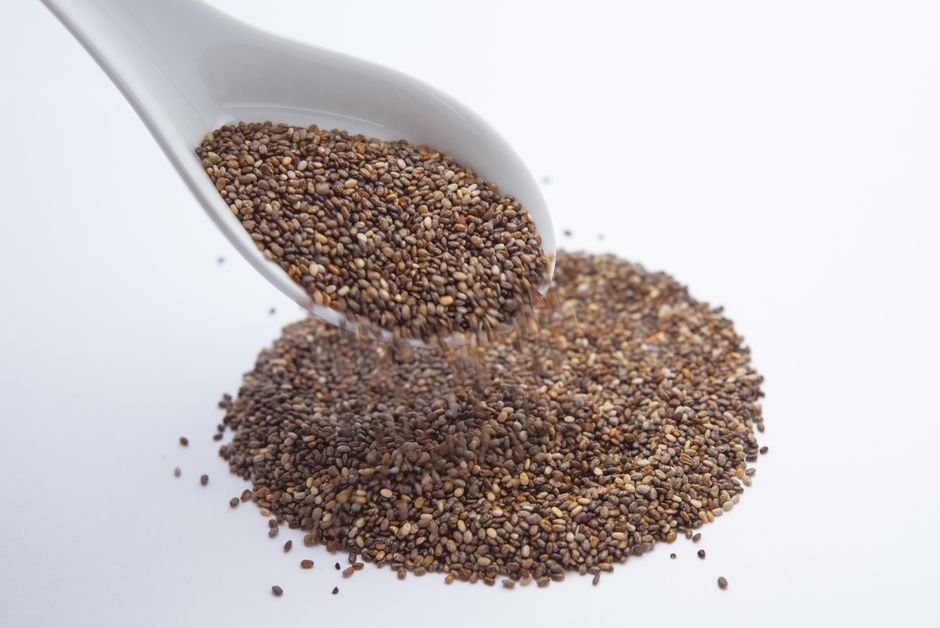
A chia seed is the tiny edible seed of Salvia hispanica, a flowering plant in the mint family native to Mexico and Guatemala. Each seed is oval, about 1 to 2 millimeters long, and comes in two colors: black and white. Despite their size, chia seeds have been eaten for centuries, and in recent decades they have become a common addition to yogurt, smoothies, oatmeal, and baked goods.
Chia seeds are nutritionally dense. They provide fiber, plant-based omega-3 fat, protein, and several minerals. They also absorb liquid and form a gel, which is why they are used to thicken puddings and drinks. That same gelling property has practical effects on digestion and on how the seeds should be eaten.
Whats A Chia Seed Made Of?
Chia seeds are roughly 30 to 40 percent fat by weight, and a large share of that fat is alpha-linolenic acid (ALA), a plant-based omega-3 fatty acid. The rest is mostly fiber, protein, and a small amount of carbohydrate.
The fiber content is notable. Chia seeds contain both soluble and insoluble fiber. The soluble fiber forms a gel when it contacts water, which is the source of the seed’s thickening behavior. This gel can hold many times the seed’s weight in liquid.
Chia seeds also contain minerals including calcium, magnesium, phosphorus, and manganese. They provide some iron and zinc as well. Because the seeds are eaten whole or ground, the nutrients are only partly absorbed when eaten whole — the hard outer shell resists digestion, so some seeds pass through intact.
One clarification worth making: chia is not a grain. It is a seed, and it is naturally gluten-free. That matters for people avoiding gluten, though the seeds are not a substitute for a balanced diet.
What Nutrients Do Chia Seeds Provide?
Chia seeds are calorie-dense and nutrient-dense at the same time. A standard serving is often listed as 2 tablespoons, or about 28 grams. Within that serving, the seeds supply a meaningful amount of fiber, some protein, and a range of minerals.
The table below shows approximate values for a 28-gram serving, based on USDA nutritional data. Exact numbers vary slightly by source and batch.
| Nutrient | Approximate amount per 28 g |
|---|---|
| Calories | About 138 |
| Total fat | About 9 g |
| Dietary fiber | About 10 g |
| Protein | About 5 g |
| Calcium | About 179 mg |
| Magnesium | About 95 mg |
| Phosphorus | About 244 mg |
These figures are approximate and depend on the specific product. The fiber number is high relative to most foods, which is one reason chia is often promoted for digestive health. The omega-3 content is also high for a plant food, though the type of omega-3 matters — more on that below.
Are Chia Seeds Good for You?
Chia seeds are a legitimate source of fiber, plant protein, and certain minerals, and they fit well into a varied diet. That is a fair statement. What is less clear is whether chia seeds on their own produce specific health outcomes, because most of the strong evidence comes from studying fiber and omega-3 fats generally, not chia seeds specifically.
The fiber in chia can support regular bowel function, and diets high in fiber are associated with lower risk of several chronic conditions. But that association is about dietary patterns over years, not about any single food. No study has shown that adding chia seeds to an otherwise unchanged diet prevents disease.
The omega-3 in chia is ALA, which is different from the omega-3 fats found in fish (EPA and DHA). The human body can convert ALA into EPA and DHA, but the conversion rate is low — often cited as under 10 percent, and sometimes much lower. So chia is not a direct substitute for fatty fish as an omega-3 source. It is a useful plant source, but the two are not equivalent.
Some small studies have looked at chia seeds and markers like blood pressure, blood sugar, and cholesterol. Results have been mixed, and many of these studies were short or involved few participants. The evidence is not strong enough to say chia seeds reliably lower these markers. Anyone managing a chronic condition should treat chia as a food, not a treatment.





How Do You Eat Chia Seeds?
Chia seeds can be eaten raw, soaked, or mixed into other foods. They have a mild, slightly nutty flavor and do not need to be cooked.
- Stirred into yogurt, oatmeal, or smoothies
- Soaked in liquid to make chia pudding
- Mixed into baked goods as an egg substitute in some recipes
- Sprinkled over salads or cereal
- Added to water or juice to make a gel drink
One safety point matters here. Dry chia seeds absorb a large amount of liquid, and if eaten dry in large quantities without enough fluid, they can swell in the throat or esophagus. There are documented case reports of this causing a blockage, particularly in people with existing swallowing problems or a narrowed esophagus. Soaking the seeds first, or eating them with plenty of liquid, reduces this risk. This is a real concern, not a theoretical one.
For most people, a typical serving of about 2 tablespoons is well tolerated. Eating much more than that at once can cause bloating, gas, or loose stools because of the fiber load. Increasing fiber intake gradually and drinking enough water is the standard approach.
Do Chia Seeds Help With Weight Loss?
Chia seeds are often marketed for weight loss, but the evidence does not support a strong claim. The idea is that the fiber and gel help you feel full, so you eat less. That mechanism is plausible, and some studies have looked at it.
What the research shows is mixed. Some small trials found no meaningful difference in weight between people who ate chia and those who did not. Others suggested a modest effect on appetite, but not consistently on actual weight. No large, long-term trial has confirmed that chia seeds cause weight loss.
Part of the reason is simple: chia seeds are calorie-dense. A 2-tablespoon serving has about 138 calories. Adding them to food without adjusting anything else adds calories. Feeling fuller may help some people, but it does not override overall diet quality and total intake.
So the honest position is this: chia seeds can be part of a healthy diet, and their fiber may help with satiety for some people, but they are not a weight-loss tool. No clinical evidence currently confirms that chia seeds produce significant weight loss on their own.
Who Should Be Careful With Chia Seeds?
Chia seeds are generally well tolerated, but a few groups should take care.
People with swallowing difficulties or a history of esophageal narrowing should be cautious with dry seeds, as noted above. Soaking them first is the safer option.
Because chia seeds are high in fiber, people with certain digestive conditions may find them hard to tolerate. Anyone with a history of bowel obstruction or severe constipation should talk to a clinician before adding large amounts.
Chia seeds can also slow digestion and may affect how some medications are absorbed if eaten in large amounts at the same time. This is a general property of high-fiber foods, not unique to chia. Spacing fiber-rich foods away from medication times is a common recommendation, though the specific guidance depends on the drug.
There is no established clinical guidance for chia seed intake during pregnancy or breastfeeding, and no specific dosing recommendations exist for infants or young children. For these groups, follow general feeding guidance from a pediatrician or clinician rather than any chia-specific recommendation.
Finally, chia is in the mint family. People with known allergies to seeds or to plants in that family should introduce it cautiously. Seed allergies are uncommon but real, and chia allergy has been reported.
Frequently Asked Questions
Are chia seeds actually healthy?
Yes, chia seeds are a genuine source of fiber, plant protein, and minerals, and they fit into a balanced diet. However, most evidence for health benefits comes from studying fiber and omega-3 fats in general, not chia seeds specifically.
Do you have to soak chia seeds before eating them?
You do not have to soak them, but soaking is safer and easier to digest. Eating large amounts of dry chia seeds without enough liquid can cause them to swell and block the throat or esophagus.
Are chia seeds a good source of omega-3?
Chia seeds contain alpha-linolenic acid (ALA), a plant-based omega-3. The body converts ALA to EPA and DHA at a low rate, so chia is not a direct substitute for fatty fish as an omega-3 source.
How much chia should you eat per day?
A common serving is about 2 tablespoons, or roughly 28 grams, and this amount is generally well tolerated. Eating much more at once can cause bloating or loose stools because of the fiber content.
