
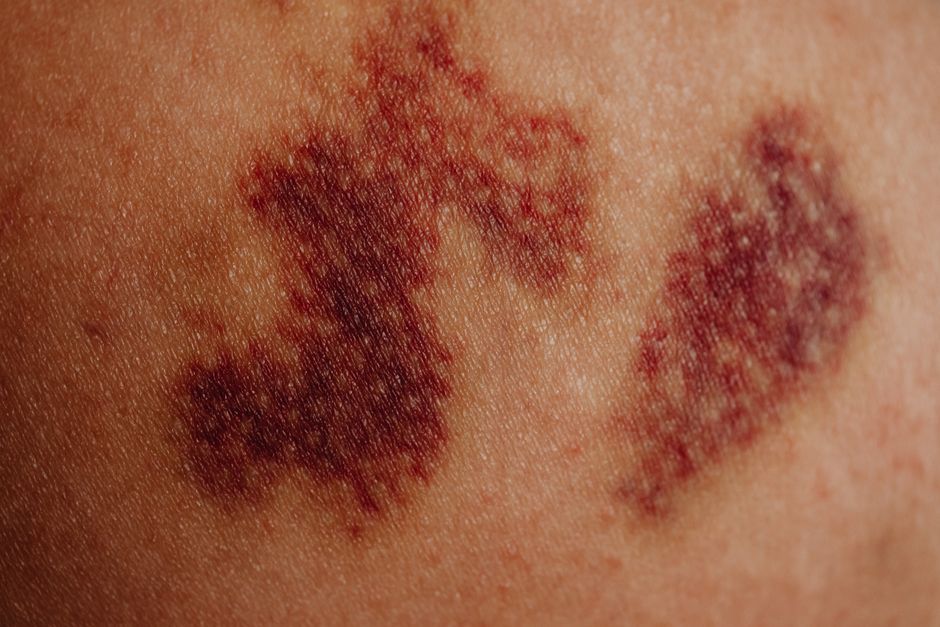
Your skin is not supposed to hurt when nothing is touching it. But many people feel skin pain from conditions like allodynia where light touch causes pain or from underlying nerve issues and skin inflammation. Common reasons include sunburn, shingles, fibromyalgia, and autoimmune conditions that make nerves hypersensitive. Here is what the evidence actually shows about why your skin might hurt for no obvious reason.
What Does Skin Pain Without a Rash Mean?
Skin pain without a visible rash is confusing and worrying. It often points to nerve involvement rather than a surface skin problem. When nerves become irritated or inflamed they send pain signals even without a trigger like a cut or burn.
Research shows that conditions like small fiber neuropathy can cause skin pain without any rash. This happens when the tiny nerves near your skin surface are damaged. Some studies suggest this affects about 40 people per 100000. Many cases go undiagnosed because the skin looks normal.
Another common cause is fibromyalgia. This condition affects how your brain processes pain signals. People with fibromyalgia often describe skin that hurts to touch or feels like it is burning. Current research suggests fibromyalgia affects about 2 percent of US adults. The pain is real even though no rash or injury is visible.
Stress can also make skin hurt. When you are under chronic stress your body releases chemicals that can make nerves more sensitive. Some people report skin pain during high stress periods even though nothing is wrong with their skin itself. This is widely claimed though strong evidence linking stress directly to skin pain is still limited.
What Would Cause Your Skin To Hurt Common Reasons Like Shingles?
Shingles is one of the most common causes of skin pain that people overlook. The virus that causes chickenpox stays in your body for life. It can reactivate years later as shingles. The pain often starts days before any rash appears.
This early pain is called prodromal pain. It can feel like burning, stabbing, or aching on one side of your body. People often think they pulled a muscle or have a nerve problem. Then the rash appears a few days later. Studies have found that about 1 in 3 people will get shingles in their lifetime.
The risk goes up after age 50. But younger people can get it too especially if their immune system is stressed. The pain from shingles can last long after the rash heals. This is called postherpetic neuralgia. It affects about 10 to 18 percent of people who had shingles.
If you feel skin pain on one side of your body with no explanation it is worth considering shingles even without a rash. Some cases of shingles never develop a visible rash. Doctors call this zoster sine herpete. It is rare but real.
Can Sunburn Cause Lasting Skin Pain?
Sunburn is an obvious cause of skin pain. But many people do not realize how long the effects can last. A bad sunburn damages the DNA in your skin cells. Your body responds with inflammation which causes pain redness and heat.
The pain from a sunburn usually peaks at 24 to 48 hours. Then it fades as your skin repairs itself. But repeated sunburns can cause lasting changes. Studies have found that people with many sunburns over their life have higher rates of chronic skin sensitivity.
Some people develop photosensitivity after severe sunburns. This means their skin hurts or stings when exposed to even mild sunlight. The condition can last for months or years. Current research suggests this is linked to changes in how skin nerves respond to UV light.
The best evidence shows that preventing sunburn is the only reliable way to avoid this pain. Once the damage is done your skin needs time to heal. Cool compresses and moisturizers can help. But if skin pain lasts more than a week after a sunburn see a doctor.
What Autoimmune Conditions Cause Skin Pain?
Autoimmune conditions happen when your immune system attacks your own body. Several of them cause skin pain as a main symptom. Lupus is one example. Many people with lupus have skin that hurts or burns especially when exposed to sunlight. The pain comes from inflammation in the skin layers.
Psoriasis is another condition that causes skin pain. It is often thought of as a rash condition. But many people with psoriasis report skin pain even without visible plaques. The inflammation goes deeper than the skin surface. Studies have found that psoriasis pain can be as severe as arthritis pain for some people.
Dermatomyositis is a rare autoimmune condition that affects both skin and muscles. It causes a distinctive rash and skin pain. The skin can feel tender or sore to touch. This condition requires specialist care and is not something you can treat at home.
Research shows that autoimmune skin pain often responds to treatments that calm the immune system. Topical steroids help some people. Others need oral medications. If you have skin pain with other symptoms like joint pain fatigue or unexplained rashes ask your doctor about autoimmune testing.
What Does Nerve Damage Have to Do With Skin Pain?
Nerve damage is a major cause of skin pain that many people do not connect. Peripheral neuropathy happens when nerves outside your brain and spinal cord are damaged. This is common in diabetes. About half of people with diabetes develop some form of neuropathy.
The pain from nerve damage can feel like burning, tingling, or sharp stabs on your skin. It often starts in the feet and hands. But it can happen anywhere on your body. The skin may hurt when clothing or bedsheets touch it. This is a classic sign of allodynia.
Chemotherapy can also cause nerve damage that leads to skin pain. Some cancer treatments are toxic to nerves. The pain can start during treatment or months later. Current research suggests that up to 40 percent of people on certain chemotherapy drugs develop neuropathy symptoms.
Other causes of nerve-related skin pain include alcohol abuse, vitamin B12 deficiency, and thyroid problems. These conditions damage nerves over time. The skin pain is a warning sign that something deeper is wrong. Treating the underlying cause often helps the pain improve.
What Causes Skin Pain That Comes and Goes?
Intermittent skin pain that comes and goes is frustrating to deal with. Migraines can cause skin pain even between headache attacks. Some people experience allodynia on their scalp or face during a migraine. Studies have found that about 60 percent of migraine sufferers have skin sensitivity during attacks.
Costochondritis is inflammation of the cartilage connecting your ribs to your breastbone. It can cause chest skin pain that comes and goes. People often worry it is a heart problem. The pain gets worse with movement or deep breathing. It is not dangerous but it is uncomfortable.
Temperature sensitivity can also cause intermittent skin pain. Some people have skin that hurts when they go from cold to warm environments. This is called cold urticaria or heat urticaria depending on the trigger. The pain lasts as long as the temperature change does.
Stress and anxiety are common triggers for intermittent skin pain. Your nervous system can become sensitized during stressful periods. When the stress passes the pain often goes away. This does not mean the pain is imaginary. It is a real physical response to your mental state.
| Condition | Pain Pattern | Common Location | Rash Present |
|---|---|---|---|
| Shingles | Constant burning before rash | One side of body | Usually yes |
| Fibromyalgia | Widespread tender spots | Full body | No |
| Sunburn | Peaks 24-48 hours | Sun-exposed areas | Yes |
| Neuropathy | Burning tingling | Feet hands | No |
| Lupus | Sun-triggered pain | Face arms | Sometimes |
When Should You See a Doctor for Skin Pain?
Not every skin pain needs a doctor visit. But some signs mean you should get checked. Pain that lasts more than a few days without explanation is worth a call. Pain on one side of your body could be shingles even without a rash.
Red flags include skin pain with fever, unexplained weight loss, or night sweats. These could point to an infection or autoimmune condition. Pain that keeps you from sleeping is also a reason to see a doctor. Skin pain that spreads or gets worse over time needs evaluation.
People with diabetes should take skin pain seriously. It could be a sign of nerve damage that needs treatment. Early treatment can prevent the damage from getting worse. As of 2026, new treatments for diabetic neuropathy are available that can slow progression.
If you have skin pain with no obvious cause a doctor can run basic tests. Blood work can check for diabetes, thyroid problems, and vitamin deficiencies. A neurological exam can test your nerve function. Most causes of skin pain are treatable once the cause is found.
Frequently Asked Questions
Can anxiety cause your skin to hurt?
Yes anxiety can make your skin feel painful or sensitive. Stress hormones can sensitize your nerves and make normal touch feel painful.
What deficiency causes skin pain?
Vitamin B12 deficiency is a common cause of nerve-related skin pain. Low vitamin D levels have also been linked to chronic pain conditions.
Is skin pain a sign of diabetes?
It can be especially if the pain is in your feet or hands. Diabetic neuropathy is a common complication of uncontrolled blood sugar.
Why does my skin hurt when I have a cold?
Infections can cause body-wide inflammation that makes nerves more sensitive. This is temporary and usually resolves as you recover.
