
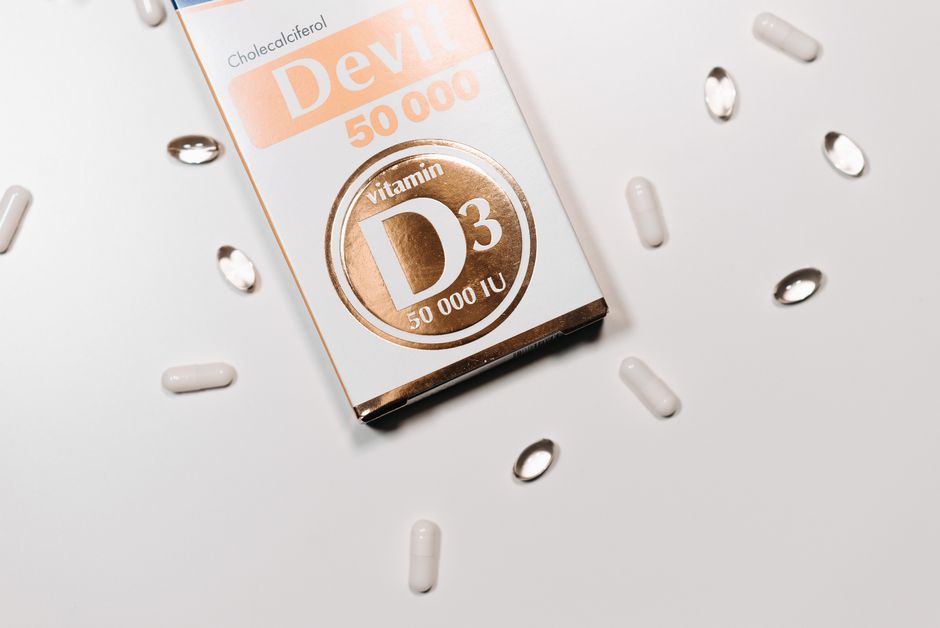
If you are looking for the short answer on what vitamins to take for bones and joints, here it is: calcium and vitamin D are the two with the strongest evidence for bone health, and vitamin D also supports the muscle function that protects joints. For joint cartilage specifically, no vitamin has been proven to rebuild it. Other nutrients like vitamin K, magnesium, and vitamin C play supporting roles, but the evidence for them is weaker and more mixed.
That gap matters. Bone and joint health are often talked about as one thing. They are not. Bone is living tissue that constantly rebuilds itself. Joint cartilage is a different tissue with a very limited ability to repair. The nutrients that help one do not automatically help the other.
This article explains what the evidence actually supports, where it is thin, and why food usually beats pills for most people.
What Vitamins Should I Take For Bones And Joints?
Calcium and vitamin D are the foundation. Vitamin D controls how well your body absorbs calcium, and calcium is the main mineral in bone. Without enough vitamin D, you can take all the calcium you want and absorb very little of it.
Vitamin K, magnesium, and vitamin C also matter for bone, but they are easier to get from food and the case for supplementing them in healthy adults is not strong. For joints, the picture is different. There is no vitamin that has been shown to regrow cartilage or reverse osteoarthritis.
Here is a simple way to think about it:
- Bone: Calcium and vitamin D carry most of the weight. Vitamin K and magnesium play supporting roles.
- Joints: Vitamin D supports the muscles around the joint. Vitamin C helps build collagen, a protein in cartilage. Neither has been proven to slow joint damage on its own.
- Everything else: Largely marketing until proven otherwise.
The honest position is that nutrition supports bone and joint health, but it does not override genetics, age, injury, or mechanical wear.
Why Do Bones And Joints Need Different Nutrients?
Bone and cartilage are built from different materials and rebuilt at different speeds. That is the core reason one set of nutrients does not cover both.
Bone is a living scaffold. It is mostly a protein framework (collagen) hardened with calcium and phosphate. Bone is constantly being broken down by cells called osteoclasts and rebuilt by cells called osteoblasts. This process, called remodeling, happens your whole life. Nutrients matter because they supply the raw material for the rebuild.
Joint cartilage is different. It is a smooth, slippery tissue that cushions the ends of bones. Cartilage has no blood supply of its own. It gets nutrients by diffusion from the fluid around the joint. That is one reason it heals so poorly after injury. It also means the nutrients floating in your blood have limited access to it.
This is why a supplement that helps bone density does not automatically help cartilage. Different tissue, different delivery, different repair capacity.
How Much Calcium And Vitamin D Do You Actually Need?
Calcium needs vary by age and sex. For most adults, the recommended daily amount falls in the range of 1,000 to 1,200 milligrams. Women generally need more after menopause because estrogen, which protects bone, drops sharply.
Vitamin D is measured in international units (IU). For most adults, 600 to 800 IU per day is the standard recommendation, though some older adults are advised to take more. These are general reference values, not personal prescriptions. Your doctor can check your vitamin D level with a blood test and adjust from there.
Two practical points that get missed:
- Calcium from food is generally absorbed better than calcium from pills, and food sources come packaged with other nutrients.
- Vitamin D is one of the few nutrients where a supplement is often genuinely needed, because few foods contain it naturally and sun exposure varies widely by season and location.
Good food sources of calcium include dairy, fortified plant milks, canned fish with bones, tofu made with calcium, and leafy greens. Vitamin D comes from fatty fish, egg yolks, and fortified foods, plus sun exposure.





Does Vitamin D Help Joint Pain?
Vitamin D’s clearest role in joint health is through muscle. Muscles around a joint provide stability, and vitamin D is involved in normal muscle function. Low vitamin D has been linked to muscle weakness and a higher risk of falls in older adults, which is a real concern for joint injuries.
Whether vitamin D directly reduces joint pain is less settled. Some studies suggest a link between low vitamin D and joint pain, but trials testing whether supplements reduce pain have shown mixed results. The evidence does not support vitamin D as a pain treatment.
So the honest answer is: vitamin D matters for the muscles that protect your joints, and it matters a great deal for bone. It is not a proven remedy for an aching knee.
What About Vitamin K, Magnesium, And Vitamin C?
These three come up often. Here is where each one stands.
Vitamin K. Vitamin K is involved in a process that helps bind calcium into bone. Observational studies have linked higher vitamin K intake to better bone density. But trials testing vitamin K supplements for fracture prevention have not shown consistent benefit. Some clinicians recommend it; the evidence is not strong enough to call it a standard recommendation.
Magnesium. About half the body’s magnesium sits in bone. Magnesium is required for vitamin D to be activated in the body. That makes it important in a supporting way. However, magnesium deficiency is uncommon in people eating a normal diet, and there is no strong evidence that extra magnesium improves bone density in people who already have enough.
Vitamin C. Vitamin C is needed to build collagen, and collagen is a major part of both bone and cartilage. Severe deficiency causes problems with connective tissue. But in people who are not deficient, taking extra vitamin C has not been shown to strengthen joints or slow arthritis.
The pattern here is worth noticing. Many nutrients are necessary for bone and joint tissue to form. That does not mean taking more than you need provides extra benefit. For most of these, the requirement is a floor, not a target to exceed.
Can Supplements Rebuild Joint Cartilage?
No vitamin has been shown to rebuild worn joint cartilage. This is the single most important thing to understand about joint supplements.
Cartilage loss in osteoarthritis is generally progressive. The goal of treatment is usually to manage pain, maintain function, and slow further damage through movement, weight management, and physical therapy. That is where the strongest evidence sits.
You may see supplements marketed for joints — glucosamine, chondroitin, collagen, MSM. These are not vitamins, and the evidence for them is mixed at best. Some trials show modest pain relief; others show none. The results are inconsistent enough that major clinical guidance does not strongly recommend them. That does not mean they never help anyone. It means the evidence is not solid enough to promise results.
If a product claims to regrow cartilage, treat that claim with real skepticism. No supplement has been proven to do that.
Do You Need Supplements Or Just Food?
For most healthy adults eating a varied diet, food covers the bases for bone and joint nutrients. Supplements fill gaps. They do not replace a poor diet, and they do not add much if you are already getting enough.
Supplements make the most sense in specific situations:
- Older adults, especially women after menopause, who are at higher risk of bone loss.
- People with limited sun exposure, who may not make enough vitamin D.
- People who avoid dairy or follow restrictive diets that limit calcium.
- Anyone with a diagnosed deficiency, confirmed by a blood test.
Two cautions. First, more is not better. Very high doses of some vitamins can be harmful, and calcium supplements above the recommended amount have been associated with risks. Second, supplements can interact with medications. If you take prescription drugs, check with your doctor or pharmacist before adding anything.
If you are unsure what you need, a blood test is more useful than guessing. It tells you whether you actually have a gap to fill.
What Actually Protects Bones And Joints Long Term?
Nutrients are one piece. The bigger levers are mechanical and lifestyle-based, and the evidence for them is strong.
For bone, weight-bearing exercise — walking, lifting, climbing stairs — signals bone to stay strong. Not smoking and limiting alcohol protect bone density. Adequate protein intake supports the bone framework.
For joints, staying active keeps cartilage and the surrounding muscles healthy. Maintaining a healthy weight reduces load on weight-bearing joints like knees and hips. Physical therapy builds the muscles that stabilize a joint.
No vitamin does the work that movement does. Nutrition supplies the material; activity tells the body to use it. Both matter, and neither replaces the other.
Frequently Asked Questions
What is the best vitamin to take for bones and joints?
Vitamin D is the single most important one to get right, because it controls calcium absorption and supports muscle function. Calcium is the close second, since it is the main mineral in bone.
Can I take calcium and vitamin D together?
Yes, they are commonly taken together, and vitamin D helps your body absorb the calcium. Many supplements combine them for that reason.
Do joint supplements really rebuild cartilage?
No supplement has been proven to rebuild worn joint cartilage. Some joint products show modest pain relief in studies, but results are inconsistent and do not amount to cartilage regrowth.
Should I take vitamin K2 for bone health?
The evidence is mixed. Vitamin K is involved in binding calcium into bone, but trials of vitamin K supplements for fracture prevention have not shown consistent benefit.
