
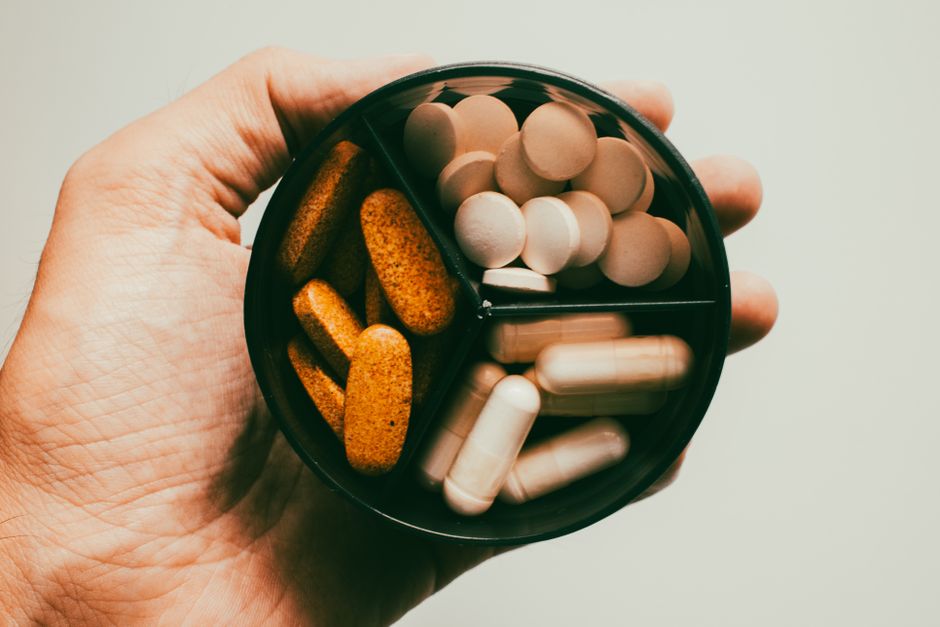
Hair is one of the fastest-growing tissues in the body, but it only grows well when the body has the raw materials it needs. The vitamins with the clearest evidence for supporting normal hair growth are biotin (B7), vitamin D, and the B vitamins involved in red blood cell production — especially B12 and folate. Iron and zinc are minerals rather than vitamins, but they matter just as much and are often part of the same conversation. The catch is that these nutrients help mainly when a person is actually low in them. For most well-nourished adults, no vitamin reliably speeds up hair growth beyond its natural rate.
What Vitamins Actually Help With Hair Growth?
Hair follicles are metabolically active. They divide cells quickly and need a steady supply of energy, oxygen, and nutrients to keep cycling through growth, rest, and shedding phases. When a nutrient is missing, the follicle is one of the first places the body cuts back, because hair is not essential for survival.
That is why nutritional deficiencies often show up as hair shedding or thinning before other symptoms appear. The vitamins most tied to normal hair growth are:
- Biotin (B7) — involved in keratin production, though deficiency is rare in people who eat a varied diet.
- Vitamin D — plays a role in the hair growth cycle; low levels are common in people with certain types of hair loss.
- Vitamin B12 and folate — needed to make red blood cells, which carry oxygen to the scalp.
- Vitamin A — supports cell growth, but too much can cause hair loss.
- Vitamin E — an antioxidant, with limited evidence for hair-specific benefits.
Notice the pattern. Several of these are essential for normal hair, but “essential for normal” is not the same as “makes hair grow faster.” A deficiency can cause loss. Correcting the deficiency can restore normal growth. Taking extra when you are not deficient usually does nothing.
Does Biotin Really Help Hair Grow?
Biotin has a reputation as the hair vitamin, and the marketing around it is enormous. The science is thinner than the reputation.
Biotin is a B vitamin that helps enzymes break down fats and carbohydrates. Severe biotin deficiency does cause hair loss, along with skin rashes and brittle nails. But true biotin deficiency is uncommon. The body recycles biotin efficiently, and it is found in eggs, nuts, seeds, and many vegetables.
The strongest evidence for biotin and hair comes from case reports of people with an underlying deficiency or a rare genetic condition. There is no solid evidence that biotin supplements help hair growth in people who are not deficient. A review of the research found that claims about biotin for hair are not well supported by clinical trials.
One point worth knowing: high-dose biotin can interfere with certain lab tests, including thyroid and cardiac tests. This is a real safety concern, not a theoretical one. Some labs have flagged it as a cause of misleading results.
Can Vitamin D Deficiency Cause Hair Loss?
Vitamin D appears to play a role in the hair growth cycle. Receptors for vitamin D are present in hair follicles, and the vitamin is involved in the growth phase of the cycle.
Low vitamin D levels are frequently found in people with certain forms of hair loss, including alopecia areata and telogen effluvium. That association is fairly consistent in the research. What is less clear is cause and effect. It is not established that low vitamin D causes these conditions, or that raising vitamin D levels reverses them.
Vitamin D deficiency is genuinely common, especially in people with limited sun exposure, darker skin, or who live in northern latitudes. If you have hair loss and have not had your vitamin D checked, that is a reasonable conversation to have with a clinician. Correcting a real deficiency is worth doing for bone and immune health regardless of what it does for hair.





Do B12, Folate, and Iron Matter for Hair?
These three are linked because they all affect red blood cells and oxygen delivery. When red blood cells are low or poorly formed, tissues throughout the body — including the scalp — get less oxygen. Hair shedding is a known symptom of significant anemia.
Vitamin B12 and folate are both needed to produce healthy red blood cells. B12 deficiency is more common in older adults, people who follow a vegan diet, and anyone with absorption problems. Folate deficiency is less common in countries that fortify grain products, but it still occurs.
Iron is a mineral, not a vitamin, but it belongs in this discussion. Iron deficiency is one of the most common nutritional causes of hair shedding, particularly in menstruating women. Ferritin, a protein that stores iron, is often checked when hair loss is evaluated. Some clinicians consider low-normal ferritin a contributor to shedding, though the exact threshold is debated and not firmly established.
Here is the honest position: if you are deficient in iron, B12, or folate, correcting that deficiency can help restore normal hair growth. If your levels are normal, taking more of these nutrients is unlikely to change your hair.
What About Vitamin A and Vitamin E?
Vitamin A supports cell growth and differentiation, and it is involved in the hair cycle. Deficiency can cause problems. But vitamin A is one of the nutrients where more is clearly not better. Excessive vitamin A intake is a recognized cause of hair loss. This is a case where a supplement can work against you.
Vitamin E is an antioxidant. It is often included in hair supplements, but the evidence that it promotes hair growth on its own is limited. Some small studies have looked at vitamin E alongside other nutrients, but the results do not establish it as a stand-alone hair treatment.
The pattern holds across most of these nutrients. They are needed for normal function. Beyond normal, the benefits fade, and in the case of vitamin A, excess can be harmful.
Should You Take a Hair Supplement?
Most hair, skin, and nail supplements combine biotin, zinc, iron, and a handful of vitamins. They are widely sold and widely used. The evidence that they help people who are not deficient is weak.
If you are considering a supplement, the more useful first step is usually testing. A clinician can check vitamin D, B12, folate, ferritin, and thyroid function. These are common, treatable contributors to hair shedding. Treating a confirmed deficiency is a different situation from taking a supplement on a guess.
A few practical points:
- Correcting a confirmed deficiency is reasonable and often helps.
- Taking nutrients you already have enough of is unlikely to help and can occasionally cause harm.
- High-dose biotin can interfere with lab tests — tell your clinician if you take it.
- Sudden or patchy hair loss, or loss with scalp symptoms, deserves medical evaluation rather than a supplement.
It is also worth remembering that hair loss has many causes. Thyroid problems, hormonal changes, medications, autoimmune conditions, and physical or emotional stress can all trigger shedding. A vitamin deficiency is only one possibility, and often not the most likely one.
What Actually Helps Hair Growth Besides Vitamins?
Nutrition is one piece of a larger picture. Genetics, hormones, age, and overall health all shape how much hair you have and how fast it grows.
For pattern hair loss, which is the most common form, the evidence supports specific treatments rather than vitamins. Minoxidil, a topical medication, and finasteride, an oral medication for men, have the strongest evidence for slowing or partially reversing pattern loss. These are medical treatments with real evidence behind them, unlike most hair supplements.
For other types of hair loss, the right approach depends on the cause. Telogen effluvium, a temporary shedding triggered by stress or illness, usually resolves on its own as the trigger passes. Alopecia areata is an autoimmune condition and is treated differently.
Diet still matters. Protein, iron, zinc, and enough calories support normal hair growth. Very low-calorie diets and rapid weight loss are known to trigger shedding. So is a diet low in protein.
The bottom line is not exciting, but it is accurate. Vitamins help hair when a deficiency is present and corrected. They do not override genetics, hormones, or the natural growth cycle. Anyone promising dramatic hair growth from a vitamin bottle is selling something the evidence does not support.
Frequently Asked Questions
Which vitamin is most important for hair growth?
No single vitamin stands above the rest. Biotin, vitamin D, B12, and folate all support normal hair when you are deficient in them, but none has strong evidence for boosting growth in well-nourished people.
Does biotin actually make hair grow?
Biotin helps hair only if you have a true deficiency, which is uncommon. There is no solid evidence that biotin supplements increase hair growth in people who are not deficient.
Can low vitamin D cause hair loss?
Low vitamin D is often found in people with certain types of hair loss, but it is not established that the low level causes the loss. Correcting a confirmed deficiency is still worth doing for other health reasons.
Are hair growth supplements worth taking?
For most people who are not deficient, the evidence that they help is weak. Testing for common deficiencies first is a more useful step than guessing with a supplement.
