
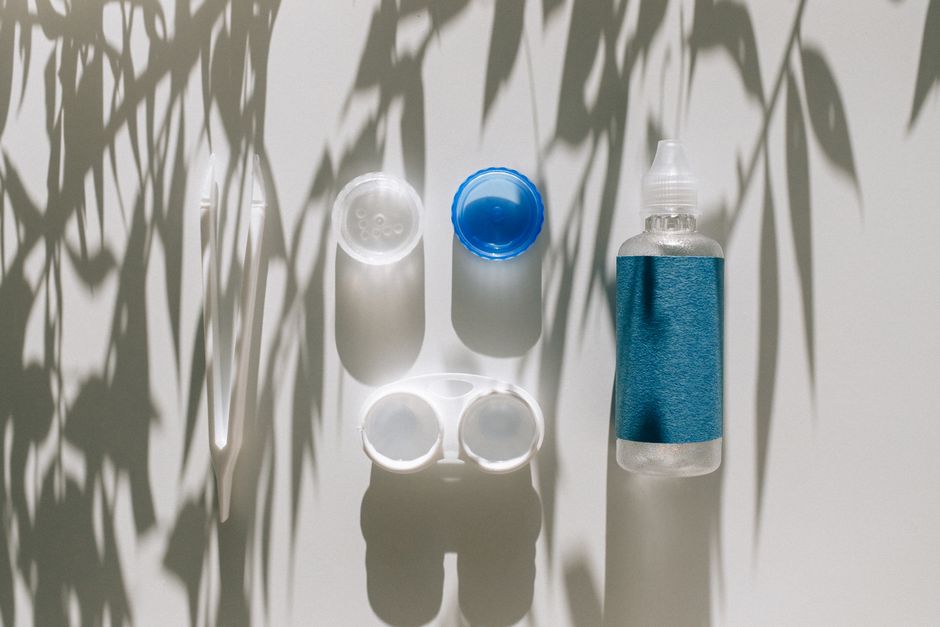
Soft contact lenses are thin, flexible discs that sit directly on the surface of your eye to correct vision. They work by bending light as it enters the eye so it lands correctly on the retina, the light-sensitive layer at the back of the eye. A soft lens stays in place through a balance of tear fluid, eyelid pressure, and the natural shape of the cornea. Most people who wear contacts use soft lenses, and understanding how they work helps you wear them safely.
What Are Soft Contact Lenses And How Do They Work?
Soft lenses are made from water-containing plastics called hydrogels. Older soft lenses used a material called hydrogel. Newer ones use silicone hydrogel, which lets more oxygen pass through to the cornea. The cornea has no blood vessels, so it gets oxygen directly from the air and from tears. That is why oxygen flow matters so much with contact lenses.
When you place a soft lens on your eye, a thin layer of tears forms between the lens and the cornea. The lens floats on this tear layer. The eyelid holds it in position when you blink. The lens itself is shaped to bend light in a specific way, either to focus it properly on the retina for nearsightedness and farsightedness, or to correct the uneven curve of the cornea in astigmatism.
Soft lenses correct several common vision problems:
- Myopia (nearsightedness) — close objects are clear, distant objects are blurry
- Hyperopia (farsightedness) — distant objects may be clearer than close ones
- Astigmatism — an irregular corneal curve that distorts vision at all distances
- Presbyopia — age-related loss of near focus, usually starting in the 40s
Soft lenses are not the only option. Rigid gas permeable lenses exist and can provide sharper vision for some people, particularly those with certain corneal conditions. But soft lenses are generally more comfortable from the first day, which is why they dominate the market.
How Does a Soft Lens Stay on Your Eye?
A soft lens stays in place through surface tension and the natural moisture of your eye. The tear film between the lens and cornea creates a gentle suction. The upper eyelid slides over the lens with each blink, keeping it centered. The lens is slightly larger than the cornea, which also helps it stay put.
This is different from how a rigid lens works. Rigid lenses float on the tear layer and can move more freely with each blink. Soft lenses conform tightly to the corneal surface. That tight fit is comfortable but also means the cornea gets less oxygen if the lens material does not allow enough through.
That is the core trade-off with soft lenses. Comfort comes partly from how closely they hug the eye. The closer the fit, the less room for tears and oxygen to circulate. Silicone hydrogel materials were developed specifically to address this. They allow significantly more oxygen to reach the cornea than traditional hydrogel lenses.
Even with better materials, wearing lenses longer than recommended raises the risk of problems. The cornea can become swollen or develop new blood vessels growing into it from the edge, a condition called corneal neovascularization. This happens when the cornea is starved of oxygen over time. It is one reason why lens wear schedules exist and why sleeping in lenses not approved for overnight wear is a known risk factor.
What Are the Different Types of Soft Contact Lenses?
Soft lenses come in several categories based on how long you wear them and how often you replace them. These are two separate things that people often confuse.
Wearing schedule refers to how long you keep them in your eyes:
- Daily wear — you put them in each morning and take them out before bed
- Extended wear — you may sleep in them overnight, but only if your eye doctor approves and the lens is cleared for that use
Replacement schedule refers to how often you throw them away and start a new pair:
- Daily disposable — one pair per day, then discard
- Biweekly replacement — a new pair every two weeks
- Monthly replacement — a new pair every month
Daily disposables have the lowest risk of infection and deposit buildup because you never reuse them. Monthly lenses cost less per day but require cleaning and storage. Neither schedule is right for everyone. Your eye doctor considers your tear production, eye health, and lifestyle when recommending one.
There are also specialty soft lenses. Toric lenses correct astigmatism. Multifocal lenses address presbyopia. Some lenses are designed for people with dry eye or for specific therapeutic purposes. These are all still soft lenses, just shaped or formulated differently.
What Materials Are Soft Lenses Made From?
Two material families dominate soft contact lenses today: traditional hydrogels and silicone hydrogels. The difference comes down to oxygen permeability.
Traditional hydrogel lenses contain water and a polymer that holds it. The water content can range widely, but higher water content does not automatically mean more oxygen reaches the eye. In hydrogel materials, oxygen travels through the water in the lens. So a thicker lens or one that dries out during the day delivers less oxygen.
Silicone hydrogel lenses add silicone to the polymer structure. Silicone allows oxygen to pass through the lens material itself, not just through the water. This means silicone hydrogels can deliver far more oxygen to the cornea than traditional hydrogels, even at lower water content.
Higher oxygen transmission matters because the cornea needs oxygen to stay healthy. When the cornea does not get enough, it can swell, and over time this can lead to complications. Most lenses prescribed today are silicone hydrogels for this reason. Some daily disposables still use traditional hydrogel materials, and for many people those work fine. The right material depends on your eyes and your wearing habits.
Are Soft Contact Lenses Safe?
Soft contact lenses are safe when used correctly. The risk comes from how people wear them, not from the lenses themselves. The most serious complication is microbial keratitis, an infection of the cornea. It is rare but can be vision-threatening if not treated promptly.
The biggest risk factors for contact lens-related infection are well documented:
- Sleeping in lenses not approved for overnight wear
- Wearing lenses past their replacement date
- Using tap water to rinse or store lenses
- Poor hand hygiene before handling lenses
- Swimming or showering while wearing lenses
Tap water is a particular concern. It can contain microorganisms that are harmless when swallowed but dangerous to the cornea. Acanthamoeba is one example. This organism is rare but can cause a severe corneal infection that is difficult to treat. Never use water to clean or store your lenses.
Some clinicians recommend daily disposable lenses as the safest option for reducing infection risk because there is no cleaning or storage involved. The evidence supports this direction, though the difference in risk between daily disposables and properly cared-for reusable lenses is not enormous when both are used correctly.
Signs of a problem include eye pain, redness, blurred vision, light sensitivity, or a feeling that something is stuck in your eye. If any of these occur, remove the lens and contact your eye doctor. Do not wait to see if it gets better on its own.
How Do You Care for Soft Contact Lenses?
Care depends on whether you use daily disposables or reusable lenses. Daily disposables require no cleaning. You put them in, wear them for the day, and throw them away. Reusable lenses need proper cleaning and storage every time you remove them.
For reusable lenses, the standard routine is:
- Wash and dry your hands before touching lenses or your eyes
- Clean the lens with the solution your eye doctor recommended
- Store it in fresh solution in a clean case
- Replace the solution every time — never top off old solution
- Replace the lens case every few months
Never use saliva, tap water, or homemade saline to clean or store lenses. These introduce bacteria and other organisms. Never reuse solution. The case itself can become a reservoir for microorganisms if it is not replaced regularly.
Your eye doctor will tell you how long you can safely wear your lenses each day. Following that schedule matters. The cornea needs time without a lens to recover. Wearing lenses longer than recommended reduces oxygen flow and increases the chance of problems.
What Should You Know Before Choosing Soft Lenses?
Soft contact lenses are a good option for many people, but they are not right for everyone. A contact lens fitting with an eye care professional is the only way to know if they will work for you.
Some people produce too few tears for soft lenses to be comfortable. Others have eye conditions or take medications that affect tear production. In those cases, a different type of lens or a different vision correction method may be better.
Cost is also a factor. Daily disposables cost more per day than monthly lenses but save money on cleaning solutions and reduce infection risk. Monthly lenses have a lower upfront cost but require more daily maintenance. Neither option is universally better. It depends on your budget, your habits, and your eye health.
What matters most is following the wearing and replacement schedule your eye doctor gives you. Most contact lens complications are linked to behaviors that deviate from those instructions. A lens that fits well and is worn as directed is a safe and effective way to correct vision.
Frequently Asked Questions
Can you sleep in soft contact lenses?
Only if your eye doctor approves and the lens is specifically cleared for overnight wear. Sleeping in lenses not approved for extended wear raises the risk of corneal infection and oxygen deprivation.
How long can you wear soft contact lenses each day?
Your eye doctor will give you a specific daily wearing time based on your eyes and lens type. Most daily wear schedules involve putting lenses in the morning and removing them before bed.
Are daily disposable lenses safer than monthly lenses?
Daily disposables carry a lower risk of infection and deposit buildup because there is no cleaning or storage. Monthly lenses can be safe too, but only with consistent proper care.
What happens if you wear soft lenses past their replacement date?
Wearing lenses longer than recommended increases the buildup of deposits and reduces oxygen flow to the cornea. This raises the risk of irritation, infection, and corneal damage.
