
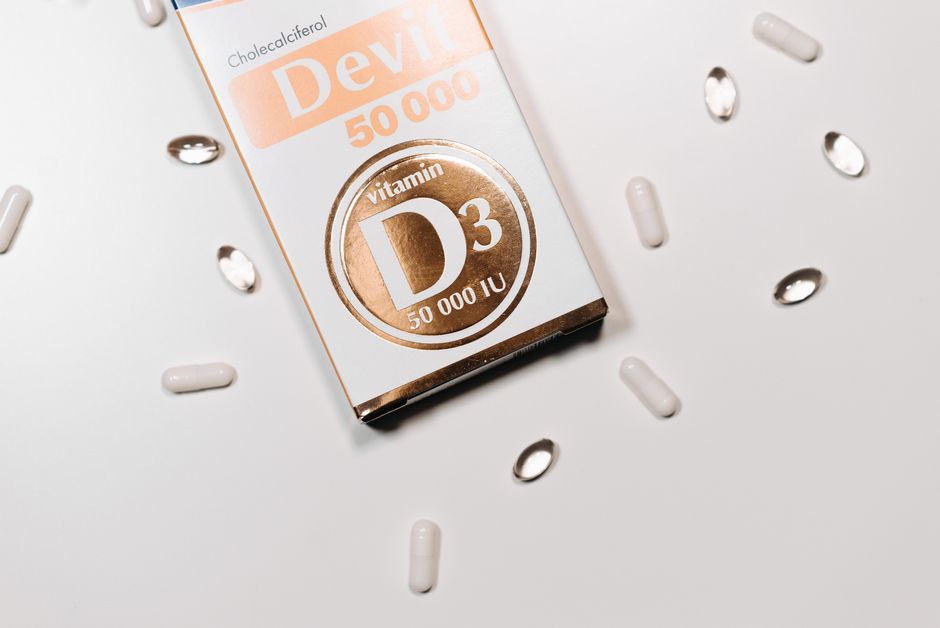
When people ask what vitamin is good for bones, the answer starts with vitamin D. Your body needs vitamin D to absorb calcium from food, and without it, even a calcium-rich diet will not build strong bones. Vitamin K and vitamin C also matter, but vitamin D is the one your bones cannot work without.
Why Vitamin D Is the Most Important Vitamin for Bones
Vitamin D does not build bone tissue directly. Instead, it acts as a gatekeeper. It tells your intestines to absorb calcium and phosphorus from the food you eat. When vitamin D levels are low, your intestines absorb only a fraction of the calcium available, and your body pulls calcium from your bones to keep your blood levels stable.
That process weakens bones over time. Research consistently shows that long-term vitamin D deficiency leads to softer, thinner bones and a higher risk of fractures. In adults, this condition is called osteomalacia. In children, it is called rickets.
Your skin makes vitamin D when exposed to sunlight. But many factors reduce that production — darker skin tones, sunscreen use, winter months, and spending most of the day indoors. That is why food sources and supplements matter for many people.
How Much Vitamin D Do You Need?
The recommended daily allowance for vitamin D is 600 IU for adults up to age 70 and 800 IU for adults over 70. These numbers come from the National Academies of Sciences, Engineering, and Medicine. They represent the amount needed to maintain bone health in most healthy people.
Blood tests measure vitamin D status through a marker called 25-hydroxyvitamin D. Most experts consider a level of 20 ng/mL (50 nmol/L) or higher sufficient for bone health. Levels below 12 ng/mL are clearly deficient and require correction.
Some clinicians recommend higher targets, especially for people with osteoporosis or a history of fractures. But the evidence for aggressive supplementation beyond the recommended daily allowance is mixed. Taking very high doses of vitamin D does not automatically build stronger bones and can cause harm.
Vitamin D is fat-soluble, meaning your body stores it. Taking extremely high doses over long periods can lead to calcium buildup in the blood, which damages the kidneys and heart. Stick to standard doses unless a doctor advises otherwise based on a blood test.
Vitamin K — The Partner Vitamin for Bone Health
Vitamin D helps calcium get into your blood. Vitamin K helps calcium get into your bones. It activates proteins that bind calcium to bone tissue, keeping it out of arteries and soft tissues.
The two main forms are vitamin K1, found in leafy greens, and vitamin K2, found in fermented foods and some animal products. Both support bone health, though K2 has received more attention in recent research.
Some studies suggest that vitamin K2 supplements reduce fracture risk in people with osteoporosis, especially when combined with vitamin D. Other studies show no clear benefit. The evidence is not strong enough to recommend vitamin K supplements for everyone, but getting vitamin K from food is clearly beneficial.
Good food sources of vitamin K include kale, spinach, broccoli, Brussels sprouts, and fermented foods like natto. Most people who eat a varied diet get enough vitamin K1. Vitamin K2 is harder to get from food alone.
People taking blood thinners like warfarin need to be careful with vitamin K. These medications work by blocking vitamin K activity, and sudden changes in vitamin K intake can interfere with their effect. If you take a blood thinner, talk to your doctor before changing your vitamin K intake.





Vitamin C — More Important Than You Think
Vitamin C is not the first nutrient people associate with bones, but it plays a real role. Collagen is the protein framework that gives bone its flexibility, and your body needs vitamin C to produce collagen. Without enough vitamin C, bones become brittle and weak.
Severe vitamin C deficiency causes scurvy, a condition that includes bone pain and fractures. Even mild deficiency may affect bone quality, though the research here is less clear.
Most people get enough vitamin C from fruits and vegetables. Citrus fruits, strawberries, bell peppers, and broccoli are excellent sources. The recommended daily allowance is 75 mg for women and 90 mg for men, amounts easily reached with a few servings of produce.
Vitamin C supplements are generally safe, but very high doses can cause digestive upset. There is no strong evidence that megadoses improve bone health beyond what normal intake provides.
Calcium — The Mineral That Works With These Vitamins
Vitamins cannot build bone without calcium. The two work as a team. Vitamin D helps you absorb calcium, and vitamin K helps deposit it into bone tissue. But if you do not consume enough calcium in the first place, these vitamins have nothing to work with.
Adults need 1,000 mg of calcium per day. Women over 50 and men over 70 need 1,200 mg per day. Dairy products are the most concentrated sources, but calcium also appears in leafy greens, fortified plant milks, tofu, and canned fish with bones.
Getting calcium from food is preferable to supplements. Studies have linked high-dose calcium supplements to an increased risk of kidney stones. Food sources deliver calcium alongside other nutrients that help your body use it.
If you cannot meet your calcium needs through food, a supplement at 500-600 mg per day is reasonable. Take it with food and split the dose if you need more, since your body absorbs calcium better in smaller amounts.
What About Magnesium and Other Nutrients?
Magnesium is another mineral that matters for bone structure. About 60% of the magnesium in your body is stored in bone. It contributes to bone density and helps your body activate vitamin D.
Some research suggests that low magnesium intake is linked to lower bone density. However, the evidence for magnesium supplements improving bone health is not strong. Most people can meet their magnesium needs through nuts, seeds, whole grains, and leafy greens.
Other nutrients involved in bone health include phosphorus, zinc, and trace minerals. These matter, but deficiencies are uncommon in people eating varied diets. If you eat a reasonable diet and get enough vitamin D, calcium, vitamin K, and vitamin C, you cover most of your bone health needs.
Can Supplements Replace a Good Diet?
No. Supplements fill gaps, but they do not substitute for a nutrient-rich diet. Whole foods deliver vitamins and minerals in combinations that improve absorption and use. A supplement cannot replicate that complexity.
That said, some people genuinely need supplements. People with limited sun exposure, older adults, people with digestive conditions that affect absorption, and people with diagnosed deficiencies all benefit from targeted supplementation.
The key is to test before you supplement. A simple blood test can tell you whether your vitamin D levels are actually low. Guessing and taking random supplements wastes money and can occasionally cause harm.
If you are concerned about your bone health, talk to a doctor. They can assess your risk factors, order appropriate tests, and recommend specific doses based on your individual situation. This is especially important if you have osteoporosis, a family history of fractures, or other medical conditions that affect bone metabolism.
Frequently Asked Questions
What vitamin is good for bones?
Vitamin D is the most important vitamin for bone health because your body needs it to absorb calcium. Vitamin K and vitamin C also support bone structure and strength.
Can I get enough vitamin D from sunlight?
Many people can, but factors like skin tone, sunscreen, latitude, and season affect how much vitamin D your skin produces. If you live far from the equator or spend most of your time indoors, food sources and supplements may be necessary.
What is the best form of vitamin K for bones?
Both vitamin K1 and K2 support bone health. Vitamin K2, especially the MK-7 form, has shown more promise in research, but eating leafy greens for K1 is still a solid choice for most people.
Are calcium supplements necessary for bone health?
Not for everyone. Food sources of calcium are preferable because they are better absorbed and carry less risk than supplements. Supplements are reasonable for people who cannot meet their needs through diet alone.
