
Rabies is caused by viruses in the genus Lyssavirus, and the classic rabies virus — scientifically named Rabies lyssavirus — is responsible for the overwhelming majority of human rabies cases worldwide. The word “lyssavirus” is not a nickname. It is the actual scientific grouping. Rabies belongs to the family Rhabdoviridae, and within that family, Lyssavirus is the genus that contains the rabies virus and more than a dozen related viruses. All of them attack the nervous system. All of them are almost universally fatal once symptoms begin.
The confusion people run into is understandable. Headlines say “rabies virus.” Scientific papers say “lyssavirus.” Some say “RABV.” They are referring to the same pathogen in most human cases. This article explains what the virus is, how it works, where it lives in nature, and why the disease it causes is so dangerous.
What Virus Causes Rabies Lyssavirus Explained
Rabies lyssavirus is the virus that causes nearly all human rabies. It is a bullet-shaped virus with a single strand of RNA as its genetic material. That RNA carries just five genes, which is remarkably few for a virus that kills tens of thousands of people globally each year.
The virus belongs to the order Mononegavirales, family Rhabdoviridae, genus Lyssavirus. The name lyssavirus comes from Lyssa, the ancient Greek goddess of madness and rage — a reference to the neurological devastation the virus causes.
Within the Lyssavirus genus, there are multiple distinct species. The most important for human disease is Rabies lyssavirus itself, often abbreviated RABV. Other lyssaviruses — such as Lagos bat virus, Mokola virus, and European bat lyssaviruses — can also cause rabies-like illness, but human cases from these are rare and mostly documented in specific geographic regions.
When people say “the rabies virus,” they almost always mean Rabies lyssavirus. When they say “a lyssavirus,” they mean any member of the broader genus. The distinction matters mainly to researchers and public health officials tracking outbreaks.
How Does the Rabies Virus Enter the Body and Reach the Brain?
Rabies spreads through saliva. The virus does not pass through intact skin. It needs a break in the skin or a mucous membrane — the moist tissue lining the mouth, nose, or eyes — to enter the body.
The most common route is a bite from an infected animal. The virus-laden saliva contacts muscle tissue beneath the skin. From there, the virus does not immediately travel through the bloodstream. Instead, it attaches to receptors on muscle cells and begins to replicate slowly.
After replicating in muscle tissue, the virus finds its way to peripheral nerve endings. This is where the disease becomes essentially unstoppable. The virus travels along nerve fibers toward the spinal cord and then upward into the brain. It moves at a rate of roughly 8 to 20 millimeters per day — slow by viral standards, which explains why symptoms can take weeks or even months to appear after a bite.
Once the virus reaches the brain, it causes encephalitis — inflammation of brain tissue. It then spreads outward along nerves to the salivary glands, which is how an infected person or animal can transmit the virus to others through a bite.
The incubation period — the time between exposure and first symptoms — typically ranges from one to three months. But it can be as short as a few days or as long as several years in rare documented cases. Bites closer to the head and neck tend to produce symptoms faster because the virus has less distance to travel to reach the brain.
What Animals Carry Rabies and How Does It Spread in Nature?
Rabies is a zoonotic disease, meaning it spreads from animals to humans. It is not a human disease that circulates primarily among people. Human-to-human transmission is theoretically possible through saliva contact but extremely rare in practice.
Different animals serve as reservoirs in different parts of the world:
- Bats are the leading source of rabies deaths in the United States. Bat bites can be so small that a person may not realize they were bitten.
- Raccoons are a major reservoir in the eastern United States.
- Skunks carry a distinct variant in the central and western states.
- Foxes are important reservoirs in parts of North America, Europe, and the Arctic.
- Dogs remain the primary source of human rabies deaths globally, responsible for the vast majority of cases worldwide, particularly in Africa and Asia.
Rodents and rabbits are almost never found to carry rabies. Their body temperature and physiology appear to make them poor hosts for the virus. That does not mean a rodent bite should be ignored — it means the rabies risk from rodents is considered negligible by public health agencies.
The virus circulates within animal populations through bites. An infected animal becomes contagious when the virus reaches its salivary glands, which typically happens shortly before symptoms appear. This means an animal can transmit rabies before it looks sick.



Why Is Rabies Almost Always Fatal Once Symptoms Start?
Rabies is one of the most lethal infectious diseases known. Once clinical symptoms appear, survival is extraordinarily rare. Fewer than 20 documented survivors exist worldwide, and most of those had some form of prior vaccination or received aggressive experimental treatment.
The reason comes down to how the virus interacts with the immune system. The virus travels inside nerve cells, largely hidden from circulating antibodies. The blood-brain barrier — a protective filter that keeps many substances out of the brain — also keeps immune cells and antibodies from reaching the virus once it is established in the central nervous system.
By the time symptoms appear, the virus has already caused widespread inflammation and damage to brain tissue. The immune response itself — swelling, cellular infiltration — contributes to the damage. There is no way to remove the virus from nerve tissue without destroying the nerves themselves.
This is why prevention is everything. Once symptoms begin, there is no proven treatment that reliably reverses the disease. Some experimental protocols have been attempted, but none have shown consistent success, and the evidence supporting them remains very limited.
What Are the Symptoms of Rabies in Humans?
Early rabies symptoms are vague and easy to dismiss. They include fever, headache, general weakness, and a tingling or prickling sensation at the site of the bite. That tingling — called paresthesia — is one of the more distinctive early signs, though not everyone experiences it.
As the virus reaches the brain, symptoms become neurological. Two forms are described:
- Furious rabies — agitation, confusion, hallucinations, excessive salivation, difficulty swallowing, and hydrophobia (fear of water). Hydrophobia happens because swallowing becomes intensely painful as the muscles involved in swallowing go into spasm. The sight or sound of water can trigger the spasm.
- Paralytic rabies — muscle weakness that starts at the bite site and spreads. This form is less common and progresses more slowly. It is often misdiagnosed because it resembles Guillain-Barré syndrome or other neurological conditions.
Both forms progress to coma and death, usually within days to weeks after symptoms begin. The timeline varies depending on the bite location and how quickly the virus reached the brain.
How Is Rabies Prevented After Exposure?
Post-exposure prophylaxis — commonly called PEP — is highly effective when given promptly. It is the reason human rabies deaths in the United States are extremely rare despite frequent animal bites.
PEP involves two components:
- Wound washing — immediate and thorough washing of the wound with soap and water for at least 15 minutes. This alone can significantly reduce the viral load.
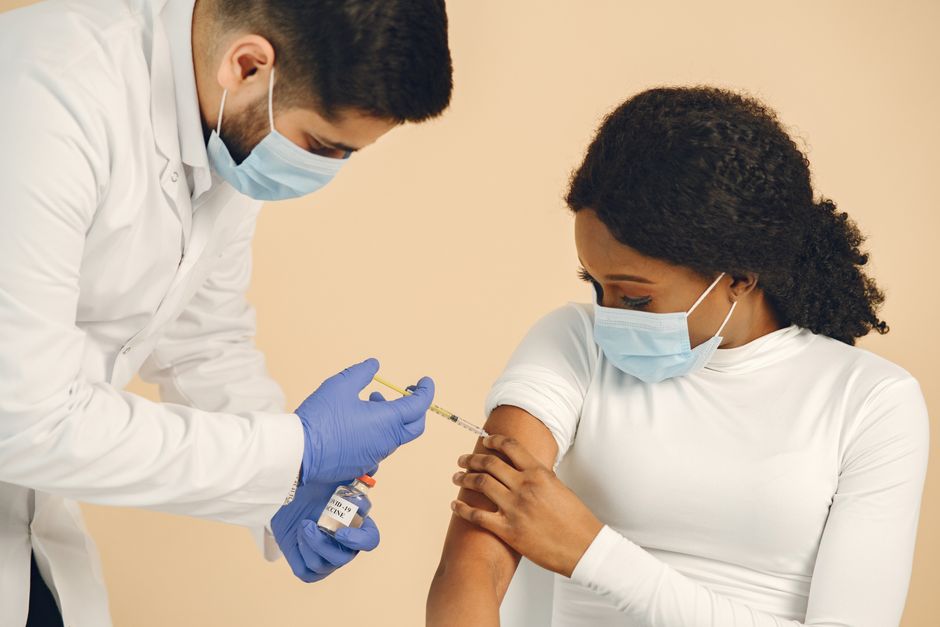
- Vaccination — a series of rabies vaccine doses given over several days. In some cases, human rabies immune globulin is also injected around the wound site to provide immediate antibodies while the vaccine takes effect.
PEP is not something to delay. The World Health Organization and the CDC both emphasize that it should begin as soon as possible after a potential exposure. There is no established cutoff after which PEP becomes useless, but earlier is clearly better. The virus moves slowly enough that prompt vaccination can stop it before it reaches the nervous system.
Pre-exposure vaccination is recommended for certain high-risk groups — veterinarians, laboratory workers handling the virus, and travelers to areas where rabies is common and medical care may be hard to access.
Is Rabies Still a Global Health Problem?
Rabies kills an estimated 59,000 people each year worldwide, according to figures cited by the World Health Organization. The vast majority of those deaths occur in Africa and Asia, and most are caused by dog bites. Children are disproportionately affected because they are more likely to be bitten and less likely to report it or seek care.
In the United States, human rabies deaths average one to three per year. The disease is well controlled in domestic animals because of widespread pet vaccination requirements. The remaining risk comes primarily from wildlife — especially bats.
Rabies is considered a neglected tropical disease, meaning it receives far less attention and funding than diseases with similar death tolls. The tools to eliminate dog-mediated human rabies exist. The challenge is access to vaccination, education, and healthcare in the regions where the burden is highest.
One non-obvious point: rabies is not a virus that mutates quickly like influenza or coronaviruses. Its genetic material is relatively stable. This is why the same vaccine developed decades ago remains effective against rabies viruses found in different animals around the world. The virus does not need to change much to survive. It is already extremely good at what it does.
Frequently Asked Questions
What virus causes rabies?
Rabies is caused by Rabies lyssavirus, a member of the Lyssavirus genus. Other lyssaviruses can cause similar disease, but Rabies lyssavirus accounts for nearly all human cases.
Is rabies caused by a virus or bacteria?
Rabies is caused by a virus, not a bacterium. This means antibiotics do not work against it, and treatment relies on vaccination and immune globulin rather than antibacterial drugs.
Can you survive rabies without a vaccine?
Survival without post-exposure vaccination is extraordinarily rare. Once symptoms begin, the disease is almost always fatal, with fewer than 20 documented survivors worldwide.
How long does it take for rabies symptoms to appear?
Symptoms typically appear one to three months after exposure, but the range can be from days to years. Bites closer to the head and neck tend to produce symptoms faster.
