
If you searched for “blood palettes” and found nothing but confusing results, you are not alone. There is no medical test, condition, or procedure called a blood palette. The term is not used in clinical medicine, and no laboratory offers one. What people usually mean when they type those words is one of a few real things: a blood panel (a group of lab tests), a blood palette in the artistic sense (the range of colors blood can appear), or a palatal blood issue (bleeding in the roof of the mouth). This article explains each one clearly so you can find the answer you actually need.
What Are Blood Palettes in Medical Terms?
In medical terms, a blood palette does not exist. The phrase is not in any clinical glossary, diagnostic code set, or laboratory menu. If a doctor, nurse, or lab technician heard it, they would assume you meant a blood panel.
A blood panel is a set of laboratory tests run on a single blood sample. The most common is the complete blood count, or CBC. It measures red blood cells, white blood cells, hemoglobin, hematocrit, and platelets. Another common one is the basic metabolic panel, which checks electrolytes, kidney function, and blood sugar. A lipid panel measures cholesterol and triglycerides.
The confusion likely comes from how the words sound. “Palette” and “panel” are close enough that a search engine or voice assistant might swap them. If you were told to get a “blood palette,” call the office and ask them to confirm the exact test name. That one phone call prevents a lot of worry.
What Does a Blood Panel Actually Measure?
A blood panel measures specific substances and cell types in your blood to check how well your organs are working and whether anything looks out of range. Each test has a reference range, which is the span where most healthy people fall.
The complete blood count is the workhorse. It reports:
- Red blood cells — carry oxygen. Low counts can point to anemia.
- Hemoglobin — the oxygen-carrying protein inside red blood cells.
- Hematocrit — the percentage of your blood made up of red cells.
- White blood cells — fight infection. High or low counts can signal many different things.
- Platelets — help blood clot.
A basic metabolic panel checks sodium, potassium, calcium, chloride, carbon dioxide, glucose, and two kidney markers called BUN and creatinine. A lipid panel reports total cholesterol, LDL, HDL, and triglycerides.
One non-obvious point: a result outside the reference range is not automatically a problem. Reference ranges cover roughly 95 percent of a healthy population, which means about 1 in 20 healthy people will fall slightly outside on any given test. Doctors read results alongside your symptoms, history, and other tests, not in isolation.
Why Can Blood Look Different Colors?
Blood is not one fixed color. The shade changes depending on how much oxygen it is carrying and where it is in the body. This is the artistic sense of a “blood palette,” and it is real.
Oxygen-rich blood in your arteries is bright red. Oxygen-poor blood returning through your veins is a darker, sometimes bluish-red. When blood is drawn into a tube, it looks dark red to nearly black because it is deoxygenated and sitting still.
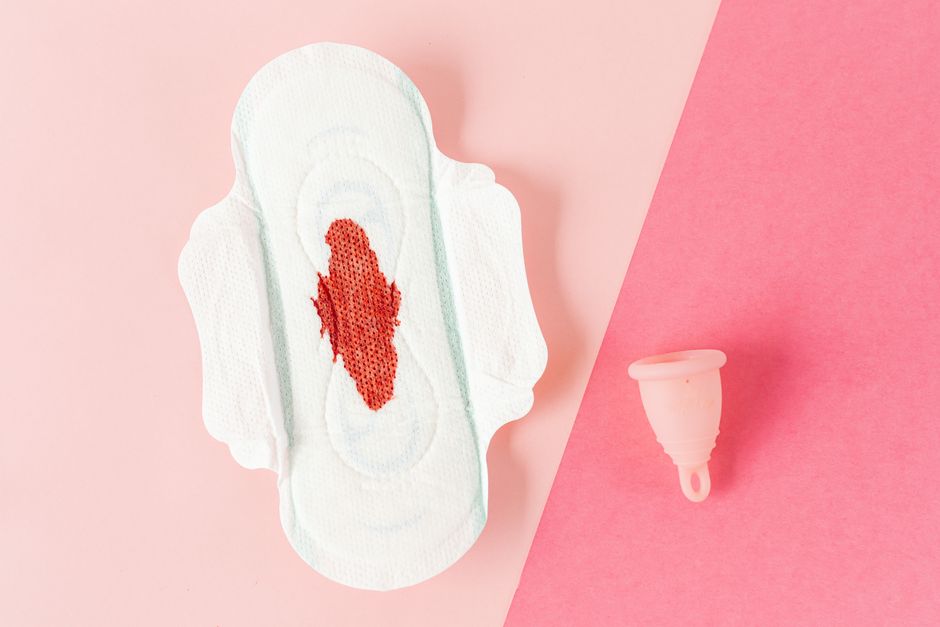
Menstrual blood often appears darker brown or even blackish, especially toward the end of a period, because it has had time to oxidize. This color change is normal and not a sign of disease on its own.
Other colors can mean something:
- Bright red in vomit or stool can indicate active bleeding in the upper or lower gut.
- Black, tarry stool can signal bleeding higher up in the digestive tract, where blood has been digested.
- Pink or red urine can come from blood, certain foods like beets, or some medications.
- Coughing up red or frothy blood is a reason to seek care right away.
Color alone does not diagnose anything. It is one clue among many, and a doctor will use tests to find the cause.
What Is a Palatal Blood Issue?
The roof of your mouth is called the palate. Bleeding there is a real, if uncommon, problem, and it is another thing people may mean by “blood palette.”
The palate has a rich blood supply, so injuries there can bleed more than you might expect. Common causes include:
- Biting down on hard food or a fork
- Hot food or drink that burns the tissue
- Dental work or a poorly fitting denture
- Mouth ulcers or cold sores
- Blood-thinning medications that make any small cut bleed longer
Sometimes a dark red or purple spot appears on the palate. This is often a blood blister or a small collection of blood under the surface. Many heal on their own within a week or two. But a spot that keeps growing, does not heal, or comes with fever, trouble swallowing, or heavy bleeding needs medical attention.
Anyone with a bleeding disorder, or who takes a blood thinner, should treat palate bleeding more seriously. If bleeding does not stop with gentle pressure, or if it keeps returning, contact a doctor or dentist.
How Do You Read Blood Test Results?
Blood test results come as a list of values with a reference range beside each one. Your job is not to diagnose yourself from that list. Your job is to notice what is flagged and ask your doctor what it means for you.
Most labs mark results that fall outside the range with an H for high or an L for low. A single flag is often not meaningful. Trends over time matter more than one snapshot.
Things that can shift your results without any disease being present:
- Dehydration, which can make several values look concentrated
- Recent meals, which affect glucose and lipids
- Strenuous exercise in the day before the draw
- Some medications and supplements
- Being sick with an infection at the time of the test
This is why context matters. A slightly high white count during a cold means something different than the same number in someone who feels fine. Always give your doctor the full picture, including what you take and how you have felt.
When Should You See a Doctor About Blood?
Some blood signs need prompt care. Others can wait for a routine visit. Knowing the difference helps you act at the right speed.
Seek care right away for:
- Bleeding that will not stop after several minutes of pressure
- Vomiting blood or material that looks like coffee grounds
- Black, tarry stools or large amounts of bright red blood in stool
- Coughing up blood
- Bleeding gums along with easy bruising all over the body
- Heavy menstrual bleeding that soaks through protection quickly or lasts unusually long
Make a routine appointment for:
- A palate spot that has not healed in a couple of weeks
- Unexplained bruises that appear without injury
- Fatigue that does not improve with rest
- Any abnormal blood test result your doctor has not yet explained
Do not try to diagnose yourself from a color or a single number. Blood signs overlap across many conditions, and only testing can sort them out.
What Blood Tests Do Doctors Commonly Order?
Doctors order blood tests based on your symptoms and history, not a fixed script. Still, a few panels come up again and again because they give a broad first look.
| Test | What it checks |
|---|---|
| Complete blood count (CBC) | Red cells, white cells, hemoglobin, hematocrit, platelets |
| Basic metabolic panel (BMP) | Electrolytes, blood sugar, kidney function |
| Comprehensive metabolic panel (CMP) | BMP plus liver proteins and enzymes |
| Lipid panel | Cholesterol and triglycerides |
| Thyroid panel | Thyroid hormones that affect energy and metabolism |
| Coagulation tests | How quickly your blood clots |
If you were told to get a “blood palette,” the CBC is the most likely intended test. When in doubt, ask the ordering office to spell out the exact name.
Frequently Asked Questions
Is a blood palette a real medical test?
No. There is no medical test called a blood palette. The term is not used in clinical medicine, and people who use it almost always mean a blood panel.
What is the difference between a blood panel and a blood palette?
A blood panel is a real group of lab tests run on one blood sample. A blood palette is not a medical term at all, so the two are not comparable.
Why is my blood a different color than usual?
Blood color shifts with oxygen levels and where the blood came from. Menstrual blood and venous blood often look darker because they carry less oxygen, which is normal.
When is bleeding in the mouth a concern?
Bleeding from the roof of the mouth that will not stop, keeps returning, or comes with a sore that does not heal within a couple of weeks should be checked by a doctor or dentist.
