
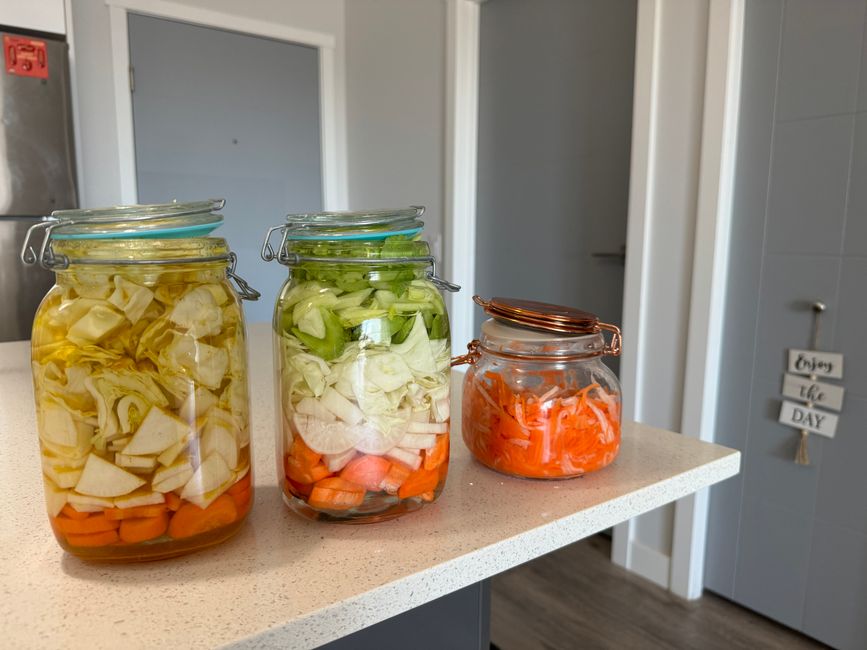
Pickling is one of the oldest ways to preserve vegetables, and it works beautifully with a wide range of produce. The best vegetables for pickling are firm ones that hold their texture in vinegar and brine — cucumbers, carrots, green beans, cauliflower, and radishes top the list. Onions, beets, and cabbage also pickle well and take on flavor without turning mushy. If you are new to pickling, start with cucumbers or carrots because they are forgiving, crisp, and easy to find fresh at any grocery store or farmers market.
What Makes a Vegetable Good for Pickling?
The ideal pickling vegetable has a firm, dense structure. This matters because vinegar and salt draw water out of the vegetable and replace it with brine. Soft vegetables like ripe tomatoes or zucchini can turn to mush within days.
Vegetables with low water content and sturdy cell walls hold up best. Think of the crunch of a fresh carrot or the snap of a green bean. Those textures survive the pickling process. Vegetables that are already soft, overripe, or bruised will not improve with pickling.
Another factor is flavor. Strong-flavored vegetables like onions, garlic, and beets stand up to vinegar without being overwhelmed. Mild vegetables like cucumbers absorb the brine and take on the flavors of the spices you add.
Best Vegetables for Pickling: The Full List
Here are the vegetables that consistently produce good pickles at home. Each one has a reason for being on this list.
- Cucumbers — The classic pickle. Use pickling varieties like Kirby cucumbers, which are shorter and have thicker skin than slicing cucumbers. They stay crisp longer.
- Carrots — Naturally sweet and firm. They hold their crunch well and pair nicely with dill, garlic, or ginger.
- Green beans — Often called dilly beans. They stay snappy and absorb spice flavors well.
- Cauliflower — Dense florets take on brine without falling apart. They work especially well in spicy or turmeric-based pickling liquids.
- Radishes — Quick to pickle and they keep their crunch. Daikon radishes are excellent for longer-term pickling.
- Beets — Sweet and earthy. They turn the brine pink and hold their texture well. Pickled beets are a classic in many cuisines.
- Onions — Red onions are especially popular for quick pickling. They soften slightly but keep some bite.
- Cabbage — Used for sauerkraut and kimchi. In vinegar brine, it stays crunchy if pickled briefly.
- Peppers — Both sweet bell peppers and hot peppers pickle well. They keep their shape and brighten any brine.
- Asparagus — Thicker spears hold up better than thin ones. They are excellent with garlic and dill.
These are the vegetables that most home picklers use with consistent success. If you are experimenting, these give you the best chance of a good result.
What Vegetables Can I Pickle Best Options: Quick Pickling vs. Fermenting
There are two main ways to pickle vegetables, and they produce different results.
Quick pickling uses vinegar, water, salt, and sometimes sugar. The vegetables are heated in the brine or simply submerged in it and refrigerated. This method is fast — most quick pickles are ready in 24 to 48 hours. They must be stored in the refrigerator and eaten within a few weeks.
Fermenting uses salt and water only. No vinegar. Beneficial bacteria naturally present on the vegetables convert sugars into lactic acid. This creates the sour flavor and preserves the vegetables. Fermented pickles take days or weeks to develop. They are shelf-stable if processed correctly and also contain live probiotics.
Both methods work with the same vegetables. Cucumbers, cabbage, carrots, and green beans are traditional choices for both. The difference is time, flavor, and whether you want the probiotic benefit of fermentation.





How to Keep Pickles Crisp
Crunch is the most common concern with homemade pickles. Soft pickles are disappointing, and the cause is usually one of a few things.
Freshness matters most. Vegetables that sat in the refrigerator for a week before pickling will be softer. Use the freshest produce you can find.
Cutting off the blossom end of cucumbers helps. The blossom end contains an enzyme that can soften pickles. Slicing off the last quarter inch removes most of it.
Salt concentration also plays a role. A brine that is too weak can encourage the growth of bacteria that soften vegetables. A brine that is too strong can draw out too much water and make vegetables rubbery. Most standard pickle recipes use a salt ratio that balances these concerns.
Some picklers add a grape leaf or a teaspoon of pickling lime to the jar. These contain compounds that help maintain crispness. The evidence for grape leaves is mixed, but many experienced picklers swear by them. Pickling lime works but requires careful rinsing to avoid a bitter taste.
Common Pickling Mistakes to Avoid
Pickling is simple, but a few errors ruin batches regularly.
Using table salt instead of pickling salt. Table salt often contains anti-caking agents that can make the brine cloudy. Pickling salt or kosher salt dissolves cleanly and gives a clearer brine.
Skipping the vinegar strength check. Pickling requires vinegar with at least 5% acidity. This is standard for most commercial vinegars, but check the label. Weaker vinegar does not preserve properly.
Overcrowding the jar. Vegetables need to be fully submerged in brine. If they stick out above the liquid, they can spoil. Pack jars loosely enough that brine reaches every piece.
Using chlorinated water. Tap water with high chlorine can interfere with fermentation. If you are fermenting, use filtered or bottled water. For quick pickles, tap water is usually fine.
Processing times that are too short. If you plan to store pickles at room temperature, they must be processed in a boiling water bath. The processing time depends on the vegetable and jar size. Skipping this step means the pickles must stay refrigerated.
How Long Do Pickled Vegetables Last?
Refrigerator pickles last about one to two months. They stay safe to eat as long as they are kept cold, but quality declines over time. The vegetables gradually soften and lose their bright color.
Properly processed canned pickles last much longer. Sealed jars stored in a cool, dark place can keep for a year or more. Once opened, they need refrigeration and should be used within a few weeks.
Fermented pickles stored in the refrigerator can last several months. The acidic environment created by fermentation preserves them, but they continue to ferment slowly even when cold. The flavor will deepen over time.
Signs that pickles have spoiled include a foul odor, slimy texture, or mold on the surface. If you see any of these, throw the jar out. Do not taste-test spoiled pickles to decide if they are safe.
Best Brine Ratios for Different Vegetables
Basic pickle brine is a simple ratio of vinegar, water, and salt. A standard ratio is one part vinegar to one part water. Some recipes use two parts vinegar to one part water for a stronger, more sour pickle.
Salt is usually added at a rate of about one tablespoon per cup of liquid. This gives a well-seasoned brine without being overly salty. Sugar is optional and added to taste — usually one to two tablespoons per cup of liquid for a sweet pickle.
Different vegetables benefit from different ratios. Cucumbers do well with a balanced one-to-one ratio. Beets and onions can handle a stronger vinegar presence. Green beans and carrots hold up in almost any brine strength.
Spices are where you can make the recipe your own. Dill, garlic, black peppercorns, mustard seeds, and red pepper flakes are the classics. Coriander, fennel, and bay leaves add more complex flavor. Use about one teaspoon of whole spices per jar.
Frequently Asked Questions
What is the easiest vegetable to pickle for beginners?
Cucumbers are the easiest because they are widely available, pickle quickly, and stay crisp when you use fresh pickling varieties. Carrots are a close second because they are nearly impossible to make mushy.
Do I need special equipment to pickle vegetables?
For refrigerator pickles, you only need jars, vinegar, salt, and your vegetables. For shelf-stable canned pickles, you need a boiling water canner and proper canning jars with new lids.
Can I pickle any vegetable?
Most firm vegetables pickle well, but soft or overripe vegetables do not. Zucchini, ripe tomatoes, and leafy greens generally turn mushy or lose their structure in brine.
How long before pickles are ready to eat?
Quick refrigerator pickles are ready in 24 to 48 hours. Fermented pickles take anywhere from three days to several weeks depending on temperature and your taste preference.
