
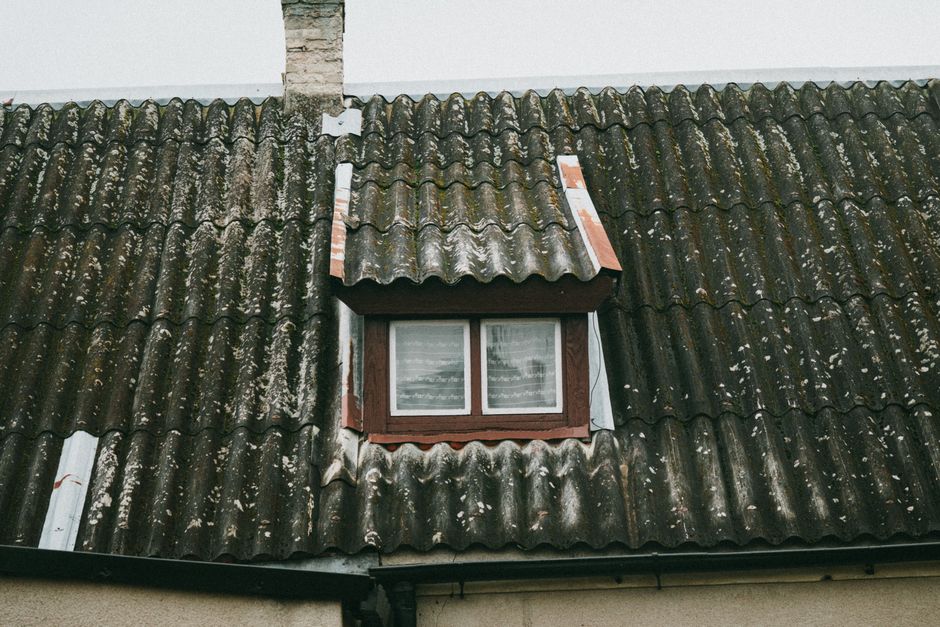
Sweeping asbestos-containing dust creates a specific type of exposure called secondary or bystander exposure, but more accurately, it is an occupational and para-occupational hazard that produces intermittent, high-intensity inhalation exposure. When you sweep dry asbestos dust, you do not just move it—you launch microscopic fibers into the air where they can remain suspended for hours. This action converts settled, harmless-looking debris into a respirable threat. The exposure is caused by the mechanical disturbance of settled asbestos fibers, which breaks apart larger clusters and allows individual fibers to become airborne and inhaled deep into the lungs.
What Type Of Asbestos Exposure Is Caused By Sweeping?
Sweeping causes inhalation exposure to airborne asbestos fibers. This is the most dangerous route of asbestos exposure because the fibers are small enough to bypass the body’s natural defense mechanisms in the nose and throat. When you sweep, you create enough turbulence to re-suspend settled fibers into the breathing zone—the air directly in front of your face. The type of exposure is acute and episodic, meaning it happens in bursts of high concentration rather than as a steady, low-level release. Each sweep of the broom can generate a visible dust cloud, and within that cloud are thousands of invisible fibers.
The fibers that matter most are those smaller than 3 micrometers in diameter. Larger fibers get trapped in the upper airways and are coughed out. The smaller ones travel to the alveoli, the tiny air sacs where oxygen exchange happens. Once there, they cannot be removed easily. This is why sweeping is considered one of the most hazardous ways to handle asbestos-containing material—it directly produces the particle size that causes disease.
Why Is Dry Sweeping More Dangerous Than Other Cleaning Methods?
Dry sweeping is dangerous because it does not suppress dust. A broom physically scrapes and breaks apart fibrous material, and the mechanical action generates static electricity that can actually make fibers repel each other and stay airborne longer. Wet cleaning methods, such as using a damp cloth or a HEPA-filtered vacuum, capture fibers instead of dispersing them. The difference is not subtle. Dry sweeping can produce airborne fiber concentrations that are many times higher than the background levels found in normal indoor air.
The physical properties of asbestos make this worse. Asbestos fibers are lightweight, straight, and durable. They do not dissolve in water and they do not degrade over time. Once swept into the air, they can stay suspended for hours in still indoor air. A person entering a room hours after sweeping could still inhale fibers. This is why regulatory agencies and safety organizations consistently recommend against dry sweeping as a cleanup method for any material that may contain asbestos.
What Is the Difference Between Primary and Secondary Exposure?
Primary exposure happens when a person directly disturbs asbestos-containing material. This includes sweeping, sawing, sanding, or breaking asbestos products. Secondary exposure, also called take-home or bystander exposure, happens when someone else brings asbestos fibers into your environment. A worker who sweeps asbestos dust and then hugs a family member while still wearing contaminated clothing can transfer fibers. The same worker can bring fibers home on shoes, hair, and tools.
Sweeping can cause both types. The person doing the sweeping experiences primary exposure. But the fibers that remain airborne after sweeping can expose other people in the building—this is bystander exposure. If the sweeper leaves the workplace in contaminated clothing, they can cause secondary exposure at home. This chain of transmission is well documented in medical literature, particularly in studies of mesothelioma cases in family members of insulation workers and shipyard workers.



How Much Asbestos Exposure From Sweeping Is Dangerous?
There is no safe level of asbestos exposure. This is the single most important fact to understand. The risk of developing asbestos-related disease increases with total cumulative dose, but even brief, high-intensity exposures have been linked to mesothelioma and lung cancer. The latency period is long—often 20 to 50 years between exposure and disease onset—which makes it difficult to connect a single sweeping event to a future diagnosis. But the absence of immediate symptoms does not mean the exposure was harmless.
Occupational studies have established that workers who swept asbestos-containing debris as part of their routine—such as construction laborers, demolition workers, and maintenance staff—show elevated rates of asbestos-related disease compared to the general population. The risk is dose-dependent, meaning more sweeping over more years equals higher risk. However, a single intense sweeping event in a confined space with poor ventilation can produce a fiber concentration that is comparable to what a worker might inhale during a full day of regulated asbestos work.
What Are the Health Consequences of Inhaling Asbestos From Sweeping?
The health consequences fall into three main categories: asbestosis, lung cancer, and mesothelioma. Asbestosis is a progressive scarring of lung tissue caused by the body’s inflammatory response to embedded fibers. It develops after high cumulative exposures, usually years of regular contact. Lung cancer risk is elevated in asbestos-exposed individuals, and the risk is dramatically higher in people who also smoke. Mesothelioma is a rare cancer of the lining of the lungs or abdomen that is almost exclusively caused by asbestos exposure. It can develop after relatively low exposures, including secondary exposure from household contact.
Symptoms do not appear immediately. Shortness of breath, a persistent cough, chest pain, and unexplained weight loss can take decades to emerge. By the time symptoms appear, the disease is often advanced. This delayed onset is why asbestos is called a silent hazard—there is no warning during the exposure itself, and no medical test can detect the fibers while they are still in the lungs. Imaging studies such as chest X-rays and CT scans can show pleural plaques or scarring, but these changes take years to become visible.
How Should Asbestos-Containing Dust Be Cleaned Safely?
If you suspect a material contains asbestos, do not sweep it. The correct approach involves wet methods and HEPA filtration. Wet the debris thoroughly with water mixed with a small amount of dish soap. The moisture weighs down the fibers and prevents them from becoming airborne. Use a disposable rag or paper towel to collect the wet material, and place it in a sealed plastic bag. Double-bag the waste and label it clearly. Do not use a regular household vacuum—standard vacuums blow fine particles straight through their filters and back into the air.
For larger areas or professional settings, a HEPA-filtered vacuum is the only acceptable vacuum type. HEPA stands for High-Efficiency Particulate Air, and a true HEPA filter captures at least 99.97% of particles at 0.3 micrometers. Personal protective equipment is also necessary. An N95 respirator offers some protection, but a half-face respirator with P100 filters is the recommended minimum for asbestos work. If you are cleaning up after a renovation, a fire, or a building collapse, contact a licensed asbestos abatement contractor. Do not attempt to handle large quantities of suspected asbestos-containing material yourself.
What Should You Do If You Have Already Swept Asbestos Dust?
If you have already swept asbestos-containing dust, the exposure has occurred. Do not panic, but do take sensible steps. Open windows and doors to ventilate the area. Leave the room for several hours to allow airborne fibers to settle or disperse. Do not use fans that blow air around the room—this will only spread the fibers. Wash any clothing worn during the sweeping separately from other laundry. Shower and wash your hair thoroughly, as fibers can cling to skin and hair.
There is no medical test that can tell you how much asbestos you inhaled, and there is no treatment to remove fibers from your lungs. The fibers are physically lodged in tissue and cannot be extracted. What you can do is reduce future exposure. If you live in a building with suspected asbestos-containing materials, have them professionally inspected and managed. If you work in an industry where asbestos is present, follow all safety protocols, use proper respiratory protection, and never dry sweep. Discuss your exposure history with your primary care doctor so it is documented in your medical record. This is especially important because of the long latency period—your doctor will know to watch for early signs of asbestos-related disease in the coming decades.
Frequently Asked Questions
Can one time sweeping asbestos dust cause mesothelioma?
Yes, a single high-intensity exposure can theoretically cause mesothelioma, though the risk is lower than with repeated exposures. Mesothelioma has been documented in individuals with minimal and brief asbestos contact, including household members of workers.
How long do asbestos fibers stay in the air after sweeping?
Asbestos fibers can remain airborne for several hours in still indoor air. In rooms with poor ventilation, fibers may stay suspended for 48 to 72 hours.
Is it safe to sweep asbestos dust with a regular broom?
No, dry sweeping with a regular broom is never safe for asbestos-containing dust. It aerosolizes fibers and creates a high concentration of respirable particles in the breathing zone.
Can asbestos exposure from sweeping cause symptoms right away?
No, asbestos exposure does not cause immediate symptoms. Diseases like asbestosis, lung cancer, and mesothelioma typically develop 20 to 50 years after the initial exposure.
