
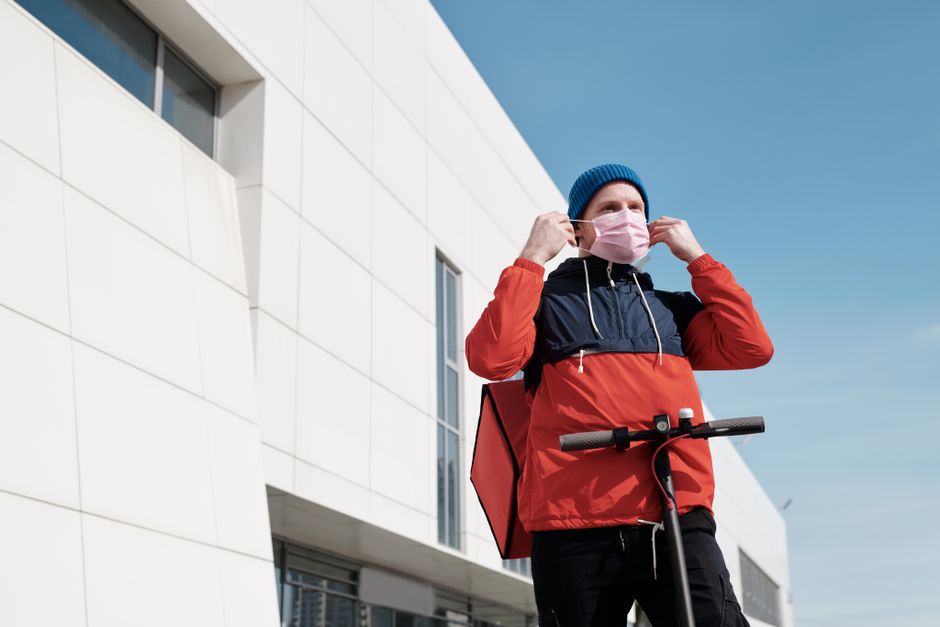
When working outside in the heat, wear lightweight, loose-fitting clothing in light colors made from moisture-wicking fabrics like polyester or nylon blends. Add a wide-brimmed hat, UV‑blocking sunglasses, and a broad-spectrum sunscreen with at least SPF 30. Avoid heavy cotton which soaks up sweat and can trap heat against your skin, increasing the risk of heat stress.
What To Wear When Working Outside In The Heat?
The best outfit for hot outdoor work starts with fabric that pulls sweat away from your skin and lets it evaporate quickly. Look for shirts, pants, and shorts labeled as performance or athletic wear—these are usually made from polyester, nylon, or special blends that wick moisture. Cotton, on the other hand, gets wet and stays wet, which can make you hotter and lead to chafing or rash.
Choose loose cuts. Tight clothing reduces airflow and can trap body heat. Loose garments allow air to circulate, helping sweat evaporate and cool you down. This is especially important when you are moving or lifting, because your body produces more heat.
Light colors reflect sunlight. White, tan, light gray, and pastel shades absorb less solar radiation than dark colors like black or navy. This can lower your skin temperature by several degrees during direct sun exposure.
Why Fabric Choice Matters for Heat
Your body cools itself by sweating and then evaporating that sweat off your skin. The fabric you wear directly affects how fast evaporation happens. Moisture‑wicking synthetics are designed to spread sweat across a wide surface area so it dries quickly. This keeps your skin cooler.
Cotton fibers absorb water like a sponge. When cotton gets wet, it stays wet and clings to your skin. The evaporation rate slows down, and your body’s cooling system works less effectively. Research consistently shows that synthetic fabrics keep core body temperature lower during exercise in heat compared to cotton.
Some newer fabrics also include UPF (ultraviolet protection factor) ratings. UPF 50 means the fabric blocks about 98% of UV rays. This is a bonus for sun protection, but the most important feature for heat is still moisture management.
Light Colors vs Dark Colors
Color matters more than you might think. Light colors reflect visible light and infrared radiation from the sun. Dark colors absorb that energy and convert it to heat. Working in a black shirt on a sunny day can raise the temperature of the fabric itself by 10–20°F compared to a white shirt.
However, color is not the only factor. Some dark athletic fabrics are designed with reflective materials or mesh panels that improve airflow. In those cases, the ventilation might outweigh the heat gain from color. For most situations, a light‑colored, loose polyester shirt is the best choice.




Sun Protection: Hats, Sunglasses, and SPF Clothing
A wide‑brimmed hat (at least 3 inches of brim all around) shades your face, ears, and neck. Baseball caps leave the ears and back of the neck exposed—common spots for skin cancer. If you must wear a hard hat for safety, clip‑on sun shades or neck flaps are available and recommended.
Sunglasses with UV protection (labeled UV 400 or 100% UV protection) shield your eyes from harmful rays and reduce glare, which can cause squinting and headaches. They also protect the delicate skin around your eyes.
Sun‑protective clothing with UPF 30 or higher is an alternative to sunscreen on covered areas. It never wears off like sunscreen does, so it is reliable for long shifts. But it only works on the skin it covers—you still need sunscreen on your face, ears, and hands.
Staying Safe: High‑Visibility and Protective Gear
Many outdoor jobs require high‑visibility vests or shirts. These are often made of mesh polyester, which allows good airflow. Look for ANSI Class 2 or Class 3 vests that are lightweight and breathable. Avoid vests with a solid liner that blocks ventilation.
If you wear protective clothing such as cut‑resistant sleeves or flame‑resistant (FR) gear, check that the fabric is rated for heat stress. Some FR cotton blends are heavy, but newer FR fabrics are made with moisture‑wicking properties. Talk to your safety supervisor about options that balance protection with cooling.
Gloves and boots also matter. Leather or rubber gloves trap heat. Perforated or knit gloves allow air circulation. Leather or rubber boots can cause foot sweating and blisters; unlined leather boots with mesh panels are cooler.
Should You Wear Cotton in the Heat?
Cotton is comfortable when you are resting in the shade, but it is a poor choice for active work in the sun. When you sweat, cotton becomes saturated and heavy. It stays wet against the skin, which can lead to skin breakdown, fungal infections, and heat illness.
Some traditional work uniforms are made of heavy cotton twill. If you cannot switch to synthetics, consider changing shirts during lunch or when your shirt is soaked. Keep a spare dry shirt in a cooler. Also, look for cotton‑polyester blends—they absorb less water than 100% cotton and dry faster.
Accessories That Help: Neck Gaiters, Cooling Towels, and More
A neck gaiter made of moisture‑wicking fabric can be soaked in water and worn around the neck. Evaporation from the damp fabric helps cool the blood vessels near the skin surface. Some gaiters include cooling technology that retains water without dripping.
Cooling towels are another option. You wet them, wring them out, and snap them to activate a cooling effect. They stay cool for a couple of hours. Evidence on how much they lower core body temperature is limited, but they can improve comfort.
Wristbands, bandanas, and cooling vests exist, but their effectiveness varies. No large human trials have confirmed that cooling vests prevent heat illness during outdoor work. They may help some people feel cooler, but they are not a substitute for proper clothing, hydration, and rest breaks.
Hydration and Breaks: Clothing Alone Is Not Enough
Even the best clothing cannot fully protect you from heat illness if you are dehydrated or do not take breaks. Wear clothing that helps, but also drink water regularly—about 1 cup every 15–20 minutes during heavy work in heat. Take rest breaks in a shaded or air‑conditioned area. Watch for symptoms of heat exhaustion: heavy sweating, weakness, dizziness, nausea, and headache. If you stop sweating and your skin becomes hot and dry, that is a medical emergency—call 911 immediately.
Frequently Asked Questions
Can I wear cotton when working outside in the heat?
Cotton is not recommended for active outdoor work because it holds sweat and slows evaporation, increasing your risk of heat stress. If you have to wear cotton, choose a thin, loose weave and change into dry clothing when your shirt becomes soaked.
What color clothing is best for working in the sun?
Light colors like white, beige, and pastels reflect more sunlight than dark colors, keeping you cooler. Dark colors absorb solar radiation and can raise fabric temperature significantly.
Is a baseball cap enough sun protection for outdoor work?
No, a baseball cap leaves your ears and the back of your neck exposed to UV rays. Use a wide‑brimmed hat or attach a sun shade to your hard hat for full coverage.
Should I wear long sleeves or short sleeves in the heat?
Long sleeves can protect your arms from sunburn if the fabric is light‑weight, light‑colored, and moisture‑wicking. For most people, short sleeves are cooler. If you wear long sleeves, choose a fabric with UPF 30 or higher to avoid sun damage.
