

What you eat before a workout matters less than whether you eat at all. For most people, a small meal or snack built around carbohydrates, eaten one to three hours before exercise, supports energy and comfort during the session. If you are heading out within the hour, keep it small and easy to digest. If you have more time, a balanced meal with carbs and some protein works well. The details shift based on how long and how hard you plan to train, and on how your own stomach responds.
Why Does Pre-Workout Food Matter?
Your muscles run primarily on two fuels: glucose circulating in your blood and glycogen stored in your muscle and liver. During moderate to intense exercise, glycogen supplies a large share of the energy. Blood glucose contributes too, especially as sessions get longer.
When you eat carbohydrate before training, you top off blood glucose and help preserve glycogen. This is why athletes in endurance sports often feel a clear difference between training fed and training fasted. For a 30-minute walk or a light gym session, the difference is usually small. For a 90-minute run or a hard cycling class, it can be noticeable.
Protein before exercise does not fuel muscles the way carbs do. It does not get burned for energy in any meaningful amount during a typical session. Its role is more about supporting muscle protein synthesis over the hours after training, and about helping you feel satisfied so you do not arrive at the gym hungry. Fat and fiber slow digestion, which can be helpful for satiety but often unwelcome right before hard exercise.
One point that tends to get lost: total daily nutrition matters more than the pre-workout snack. A single banana before a run cannot fix a diet that is chronically low in carbohydrate. The pre-workout meal is a small lever, not the main one.
What And When To Eat Before Working Out?
Timing and composition work together. The closer you are to your workout, the smaller and simpler the food should be. This is the practical core of eating before exercise.
Roughly three to four hours out, a normal mixed meal works for most people. Think rice or pasta with chicken, or oatmeal with fruit and yogurt. This gives your body time to digest and absorb.
One to three hours out, a smaller meal or a substantial snack is usually better. A turkey sandwich on white bread, a smoothie with fruit and yogurt, or a bowl of cereal with milk fit here.
Thirty to sixty minutes out, keep it light. A banana, a slice of toast with jam, or a small handful of crackers are common choices.
Under thirty minutes, most people do best with very little or nothing solid. Some athletes take a few sips of a sports drink or a small piece of fruit. If you feel fine training fasted, there is no rule that says you must eat first.
How Much Should You Eat?
There is no single number that fits everyone. Body size, workout intensity, duration, and personal tolerance all shift the amount. A useful starting point is to eat enough to take the edge off hunger without feeling full or sluggish. If you feel heavy, bloated, or cramped during your workout, you ate too much or too close to training. If you feel weak or shaky, you may need more carbohydrate or more time between eating and exercise.
What Foods Work Best?
Carbohydrates that digest quickly tend to sit well before exercise. Good options include:
- Bananas and other soft fruit
- White rice, pasta, or bread
- Oatmeal
- Yogurt or a small smoothie
- Sports drinks or diluted juice for very close timing
Foods higher in fat and fiber — fried items, large salads, beans, heavy cheese — digest more slowly. They are fine hours before training for many people, but often cause discomfort when eaten close to a hard session.
Does It Matter If You Work Out In The Morning?
Morning workouts create a timing problem. If you roll out of bed and train within 30 minutes, there is rarely time for a real meal. Most people in that situation do fine with nothing, or with a small snack like half a banana or a few bites of toast.
Some people feel nauseated training on a full stomach first thing. Others feel weak without food. Both responses are normal, and the right answer depends on your own body and the type of workout. If you wake up an hour or more before training, a light breakfast usually works well.
If you are doing a long or intense morning session, eating something small is generally worth the effort. For a short easy session, skipping food is unlikely to hurt performance for most healthy adults.



What About Fasted Training?
Training without eating has become popular, and it does have some research behind it. Some studies suggest fasted training can change how the body uses fuel during exercise. What it does not clearly do is improve performance for most people, especially at higher intensities or longer durations.
For short, low-intensity sessions, fasted training is generally fine for healthy adults. For hard intervals, long runs, or strength work where you want to perform well, eating beforehand tends to help. If you have diabetes, take medication that affects blood sugar, or have a history of disordered eating, talk to a clinician before making fasted training a regular habit.
What Should You Drink Before A Workout?
Fluids matter as much as food for many workouts. Starting slightly hydrated supports performance and helps regulate body temperature. Plain water is enough for sessions under about an hour in normal conditions.
For longer or very sweaty sessions, drinks with electrolytes and some carbohydrate can help. Sports drinks are designed for this, but they are not necessary for every workout. Drinking too much plain water without replacing electrolytes during very long exercise can dilute blood sodium, a rare but serious condition. This is a concern mainly for endurance events lasting several hours, not for typical gym sessions.
What Should You Avoid Before Training?
Certain choices tend to cause problems for many people, though tolerance varies. Large meals within an hour of hard exercise often lead to cramping or nausea. Very high-fat or high-fiber meals close to training can do the same. Alcohol before exercise impairs coordination, hydration, and performance, and is best avoided.
New foods are worth testing on easy days, not before a race or a big event. Trying an unfamiliar energy gel or a new pre-workout supplement on competition day is a common mistake. The gut is trainable, but it needs practice, not surprises.
Do Supplements And Pre-Workout Products Help?
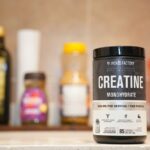
The supplement aisle makes a lot of promises. Caffeine is one of the few pre-workout ingredients with consistent evidence for improving performance in many people, at doses that vary by individual. Other common ingredients in pre-workout powders have far less support, and some have risks.
No study has confirmed that most pre-workout blends deliver the benefits their labels suggest. Many contain proprietary mixes that hide the actual amounts of each ingredient. If you are considering any supplement, check with a healthcare provider, especially if you take medication or have a heart condition.
How Should You Eat After A Workout?
What you eat after training supports recovery, but it is not as urgent as some marketing suggests. A meal with carbohydrate and protein within a few hours of exercise is generally enough for most recreational athletes. The narrow “anabolic window” that requires eating within 30 minutes applies mainly to people training multiple times a day or doing very long sessions.
For everyday gym-goers, getting a balanced meal within a reasonable window is what matters. Total daily protein intake spread across the day supports muscle repair more than the exact timing of one meal.
Does The Type Of Workout Change What You Should Eat?
Yes, and this is where a lot of generic advice falls short. A short strength session, a long run, and a team sport each place different demands on the body.
For strength training, some carbohydrate before the session helps fuel the work, and protein afterward supports muscle. For endurance work lasting over an hour, carbohydrate before and during exercise becomes more important. For high-intensity interval sessions, eating too close to the start often backfires.
Rather than memorizing rules, match your pre-workout food to how long and how hard you plan to go. Shorter and easier means less food needed. Longer and harder means more attention to carbohydrate and timing.
The Bottom Line On Eating Before Exercise
A small, carbohydrate-focused snack one to three hours before training works for most people. Eat less the closer you get to your workout, and skip food entirely if that feels better for short sessions. Individual tolerance matters more than any universal rule, and the best approach is the one you can repeat comfortably. If you have a medical condition that affects blood sugar, digestion, or heart health, talk to a clinician before changing how you eat around exercise.
Frequently Asked Questions
What is the best thing to eat before a workout?
Carbohydrate-rich foods that digest easily, like a banana, oatmeal, or toast, are the most common choice. Adding a small amount of protein can help with satiety, but carbs are the main fuel source.
How long before a workout should I eat?
A small snack works best 30 to 60 minutes before exercise, while a full meal is better three to four hours ahead. The closer you are to training, the lighter the food should be.
Should I work out on an empty stomach?
For short, low-intensity sessions, training fasted is generally fine for healthy adults. For longer or harder workouts, eating beforehand usually helps performance.
What should I avoid eating before exercise?
Large meals, very high-fat or high-fiber foods, and alcohol close to training often cause discomfort or hurt performance. New or unfamiliar foods are best tested on easy days, not before an event.
