
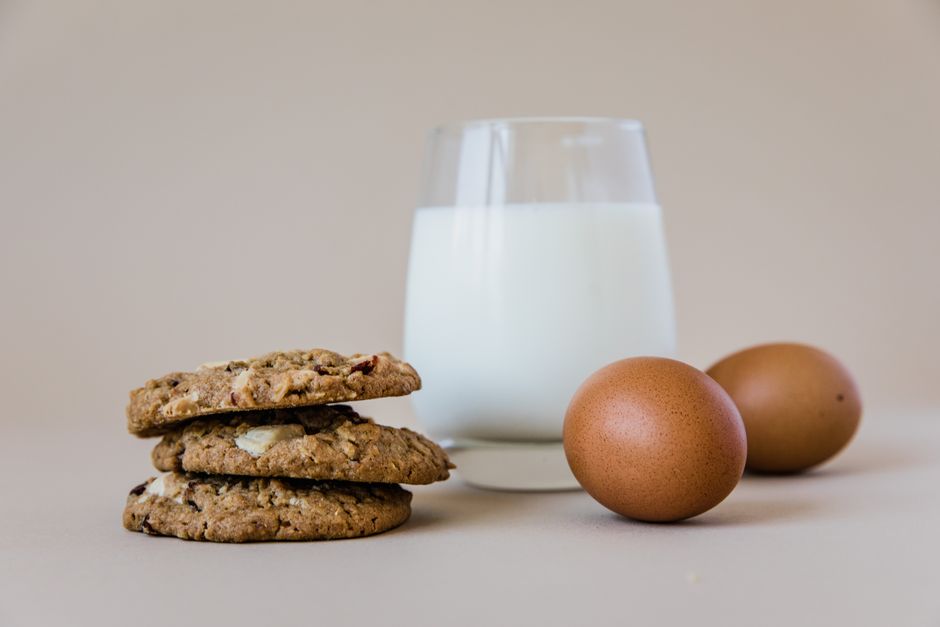
You are halfway through mixing a cake batter and reach for an egg. The carton is empty. Or maybe you cook for someone with an egg allergy. Or you just want to bake without eggs. Whatever the reason, you need a swap that works. The short answer is that mashed banana, unsweetened applesauce, flaxseed mixed with water, and commercial egg replacers are the most reliable substitutes for eggs in most baked goods. Each one changes the texture and flavor slightly, so the best choice depends on what you are baking.
What Is the Best All-Purpose Egg Substitute for Baking?
There is no single substitute that works perfectly for every recipe. But if you had to pick one, flax eggs come closest to matching the binding properties of real eggs. A flax egg is one tablespoon of ground flaxseed mixed with three tablespoons of water. Let it sit for five minutes until it becomes thick and gel-like. Research published by the Institute of Food Technologists has shown that flaxseed gel mimics the viscosity of egg whites better than many other plant-based options.
Applesauce is a close second for moisture. Use a quarter cup of unsweetened applesauce to replace one egg. It works well in muffins, quick breads, and soft cookies. The downside is that applesauce adds sweetness and very little structure. Your baked goods will be tender but may not rise as much. If you want structure, use a flax egg instead. For moisture, use applesauce. For both, you sometimes need to combine two substitutes, which gets complicated. Most home bakers do fine picking one.
Commercial egg replacers like Bob’s Red Mill or Ener-G are the most consistent option. They are made from potato starch, tapioca flour, and leavening agents. You mix the powder with water and use it cup for cup in place of eggs. The texture is neutral, so it does not change the flavor of your bake. The American Academy of Allergy, Asthma, and Immunology recommends these products for people with egg allergies because they are reliable and predictable.
Does Mashed Banana Work as an Egg Substitute?
Yes, mashed banana works. Use one quarter cup of ripe mashed banana to replace one egg. Banana adds moisture, sweetness, and a distinct flavor. It works best in recipes where banana flavor is welcome — banana bread, pancakes, chocolate cakes, and oatmeal cookies. It does not work in savory baked goods or anything where you want a neutral taste.
There is a common problem with banana. It makes baked goods dense. Eggs provide lift and structure. Banana provides none of that. If you use banana, your cake or muffin will be heavier and may sink in the middle. To fix this, add an extra half teaspoon of baking powder to the recipe. The extra leavening helps the batter rise. The CDC notes that people with egg allergies often use banana successfully, but they also report that texture changes are noticeable.
Another issue is browning. Banana speeds up the Maillard reaction, which is the chemical process that browns food. Your baked goods will turn dark faster. If you are baking a light-colored cake or a delicate sponge, banana is not the right choice. Save it for recipes where a dark, caramelized exterior is fine.
What About Aquafaba for Egg Whites?
Aquafaba is the liquid from a can of chickpeas. It is the closest thing to egg whites that exists in the plant world. When you whip aquafaba, it forms stiff peaks just like egg whites. Studies have shown that aquafaba contains saponins and proteins that stabilize foam, making it an effective substitute in meringues, macarons, and mousses.
Use three tablespoons of aquafaba to replace one whole egg. For egg whites only, use two tablespoons per white. The liquid must be unsalted and unflavored. Drain the chickpeas and reserve the liquid. Whip it with a clean whisk and a pinch of cream of tartar for best results. It takes longer to whip than egg whites — about eight to ten minutes — but it works.
There is a catch. Aquafaba has a mild beany smell when raw. Once baked, the smell disappears. But if you are making something that is not baked, like a raw mousse or a frosting, the smell can linger. Some people report that adding vanilla extract or a drop of almond extract masks the odor. Others find it does not fully disappear. Taste it before serving a large batch.





What to Use Instead of Eggs in Baking: A Quick Comparison Table
| Substitute | Amount per Egg | Best For | Not Good For |
|---|---|---|---|
| Flax egg | 1 tbsp flax + 3 tbsp water | Cookies, muffins, pancakes | Sponges, light cakes |
| Applesauce | 1/4 cup unsweetened | Muffins, quick breads | Cookies needing crunch |
| Mashed banana | 1/4 cup ripe | Banana bread, chocolate cake | Savory or neutral bakes |
| Aquafaba | 3 tbsp | Meringues, macarons, mousse | Raw or unbaked desserts |
| Commercial replacer | Per package directions | Any standard bake | Very few |
| Silken tofu | 1/4 cup blended | Cheesecakes, dense brownies | Light, airy cakes |
| Vinegar + baking soda | 1 tsp vinegar + 1 tsp baking soda | Vegan cakes needing lift | Recipes without acid |
Do You Need Eggs for Structure or Just Moisture?
This is the question most baking guides skip. Eggs do two completely different things in baking. They provide structure through protein coagulation and they provide moisture through their water content. If you swap eggs without understanding which role they play, your bake will fail.
In a recipe with a lot of flour, eggs are mainly for moisture. Think muffins and pancakes. The flour already provides enough structure. You can use applesauce or banana here without problems. In a recipe with very little flour, like a custard or a soufflé, eggs are the main structural ingredient. You cannot replace them with a wet ingredient alone. You need something that sets, like cornstarch or agar-agar.
Some recipes use eggs for lift. When you beat eggs and sugar together, you incorporate air. That air expands in the oven and makes the cake rise. If you are baking something that relies on that air, like a genoise sponge or a chiffon cake, you need a substitute that can also hold air. Aquafaba is the only option that does this well. Flax eggs and applesauce will not give you the same lift.
The American Egg Board states that eggs contribute emulsification, leavening, and binding. No single plant-based ingredient does all three. You have to decide which function matters most in your specific recipe. If you want binding, use flax. If you want moisture, use applesauce. If you want lift, use aquafaba.
What Common Mistakes Do People Make When Substituting Eggs?
The most common mistake is using a wet substitute in a recipe that already has too much liquid. If your batter looks thin before baking, it will be flat and gummy after. Applesauce, banana, and silken tofu all add extra water. Reduce the other liquids in the recipe by one to two tablespoons to compensate.
Another mistake is expecting the same texture. A vegan banana muffin will never have the same crumb as a classic yellow cake made with eggs. That is fine. But if you expect identical results, you will be disappointed. Accept that the texture will be different and adjust your expectations. Many people find that the difference is small and worth the trade-off.
Overmixing is a bigger problem with egg substitutes than with eggs. Real eggs contain lecithin, which is an emulsifier that prevents gluten from overdeveloping. Without eggs, your batter forms gluten faster. Mix just until the dry ingredients are moistened. Stop. If you keep mixing, you will get tough, rubbery baked goods. This is especially true when using flax eggs or commercial replacers.
Some people also forget to adjust baking time. Egg-free batters often bake faster because they have less protein structure. Check your baked goods five minutes earlier than the recipe says. Insert a toothpick into the center. If it comes out clean or with a few moist crumbs, it is done. Do not wait for the top to turn golden brown, because the outside may burn before the inside is cooked.
Frequently Asked Questions
Can I use oil instead of eggs in baking?
Oil replaces the fat from egg yolks but does not provide binding or structure. Use it only in recipes where eggs are mainly for moisture.
What is the best egg substitute for cookies?
Flax eggs work best for cookies because they bind the dough without adding extra moisture that makes cookies spread too thin.
How do I replace eggs in a cake mix?
Use a quarter cup of applesauce or a commercial egg replacer mixed with water. Both work well with boxed cake mixes and require no other adjustments.
Does yogurt work as an egg substitute?
Plain yogurt adds moisture and some structure due to its protein content. Use a quarter cup of yogurt per egg, but expect a denser texture.
