
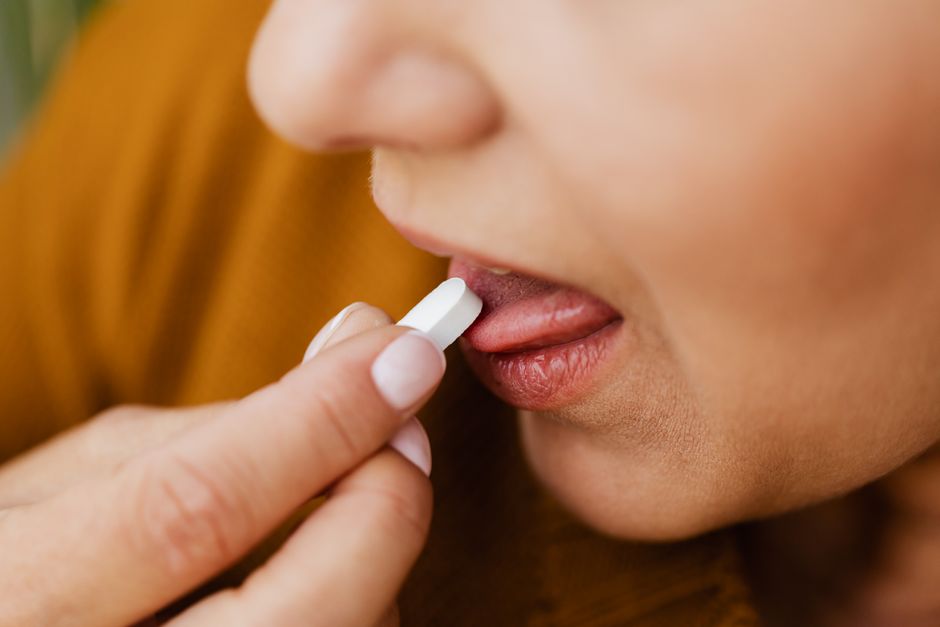
There is no single product that prevents diarrhea in every situation. What works depends on why you expect it. Traveler’s diarrhea, antibiotic-associated diarrhea, and diarrhea from a stomach bug each have different causes, and the evidence for prevention is different for each one. Below is what research actually supports, situation by situation, along with what does not hold up.
What To Take To Prevent Diarrhea By Situation?
The short answer: match the approach to the cause. For traveler’s diarrhea, the strongest evidence is for careful food and water choices plus, in select cases, preventive antibiotics or bismuth subsalicylate. For antibiotic-associated diarrhea, certain probiotic strains have the best supporting evidence. For viral gastroenteritis, hand hygiene and avoiding contaminated food and water are the main tools, because no supplement reliably prevents it.
Here is how each situation breaks down.
| Situation | Main cause | Prevention with best evidence |
|---|---|---|
| Travel to higher-risk regions | Contaminated food and water bacteria | Food and water precautions; bismuth subsalicylate; preventive antibiotics in selected high-risk cases |
| Taking antibiotics | Disruption of gut bacteria, including C. difficile | Specific probiotic strains; hand hygiene in healthcare settings |
| Viral stomach bug exposure | Norovirus, rotavirus and similar viruses | Handwashing with soap; safe food and water |
| Chronic or recurrent diarrhea | Underlying condition, not infection | Medical evaluation; prevention depends on diagnosis |
What Helps Prevent Traveler’s Diarrhea?
Traveler’s diarrhea is most often caused by bacteria from contaminated food or water. The most reliable prevention is avoiding the source. That means drinking bottled or treated water, avoiding ice made from tap water, and being careful with raw produce, unpasteurized dairy, and food that has sat out.
Beyond food and water precautions, two medical options have evidence behind them.
Bismuth subsalicylate is available over the counter. Some studies have found it reduces the chance of developing traveler’s diarrhea when taken preventively. It is not a guarantee, and it can cause black tongue and black stools, which are harmless but alarming if you do not expect them. It also should not be used by people who cannot take salicylates, such as those with certain aspirin sensitivities or children recovering from viral illness.
Preventive antibiotics are sometimes prescribed for short, high-stakes trips where getting sick would be seriously disruptive. This is a decision for a clinician, not something to self-prescribe. Routine preventive antibiotic use raises concerns about side effects, antibiotic resistance, and a serious complication called C. difficile infection. Many guidelines now favor reserving preventive antibiotics for selected cases rather than using them broadly.
What about probiotics for travel? The evidence is mixed. Some trials suggest certain strains may reduce risk, but results vary and no single product is established as reliably protective. It is reasonable to view probiotics as unproven for this specific purpose.
What Helps Prevent Diarrhea From Antibiotics?
Antibiotics can disturb the normal balance of bacteria in the gut, which allows diarrhea to develop. This is common and usually mild, but it can occasionally signal a more serious infection with C. difficile.
Certain probiotics have the strongest evidence for prevention in this setting. Specific strains, particularly some Saccharomyces boulardii and certain Lactobacillus strains, have been studied for reducing antibiotic-associated diarrhea. The benefit appears modest and strain-specific — not all probiotics are equal, and a random product on a shelf may not contain the strains that were studied.
Two cautions matter here. First, people who are seriously ill, immunocompromised, or have a central venous line should not use probiotics without medical guidance, because in rare cases probiotics themselves have caused infections in these groups. Second, if diarrhea develops during or after antibiotics and is severe, bloody, or accompanied by fever or abdominal pain, that needs medical attention rather than a probiotic.
Hand hygiene matters too, especially in hospitals and care settings, because C. difficile spreads through contact.



What Helps Prevent Diarrhea From a Stomach Bug?
Viral gastroenteritis spreads mainly through contaminated hands, food, water, and surfaces. The single most effective prevention is washing hands with soap and water. Hand sanitizer works against many germs but is less reliable against norovirus, the most common cause of viral stomach bugs in adults.
There is no supplement or over-the-counter product that reliably prevents viral gastroenteritis. This is worth stating plainly because many products are marketed as if they do. No clinical evidence currently confirms that probiotics, vitamins, or herbal products prevent viral stomach bugs in healthy adults.
If someone in your household is sick, cleaning surfaces, avoiding shared utensils, and washing hands after contact reduce spread. Rotavirus, a major cause in young children, is preventable through vaccination, which is part of routine childhood immunization schedules.
Does Diet or Hydration Prevent Diarrhea?
Diet does not prevent infectious diarrhea, but it can influence how often you have loose stools from other causes. Very high doses of certain sugar alcohols, excess caffeine, and large amounts of alcohol can all loosen stools in some people. If you notice a pattern, that is worth tracking.
Staying hydrated does not prevent diarrhea. It matters for managing it once it starts, because the main danger of diarrhea is fluid and electrolyte loss. Drinking enough fluids day to day supports normal digestion but does not stop an infection from causing diarrhea.
Fiber is sometimes suggested for prevention. Fiber can help with certain types of chronic loose stools and can worsen others, depending on the cause. There is no single fiber recommendation that prevents diarrhea across situations.
What Does Not Work for Prevention?
Several popular ideas do not hold up.
- Routine probiotics for every situation. Evidence is strongest for antibiotic-associated diarrhea and weaker or mixed for travel and viral illness.
- Activated charcoal. Sometimes marketed for prevention, but no good evidence supports it for preventing diarrhea.
- High-dose vitamin C or multivitamins. No clinical evidence confirms these prevent diarrhea.
- Drinking alcohol to “sterilize” the gut. This does the opposite of helping and can worsen digestive symptoms.
- Colloidal silver and similar products. No evidence for prevention, and silver can build up in the body with real harm.
The pattern here is that marketing often outruns evidence. When a product claims to prevent diarrhea broadly, that claim usually is not backed by trials.
When Should You See a Doctor Instead of Self-Treating?
Prevention is one thing; ongoing diarrhea is another. See a clinician if diarrhea lasts more than a few days in an adult, if it is bloody or black, if there is a high fever, severe abdominal pain, or signs of dehydration such as dizziness, very dark urine, or reduced urination.
For infants, young children, older adults, and anyone who is pregnant or immunocompromised, the threshold for seeking care is lower, because dehydration and complications can develop faster. In these groups, do not rely on over-the-counter prevention or treatment without medical guidance.
Chronic or recurrent diarrhea — lasting weeks or coming back often — usually points to an underlying condition rather than an infection. Prevention in that case depends entirely on the diagnosis, which requires evaluation.
Frequently Asked Questions
What is the best thing to take to prevent traveler’s diarrhea?
Careful food and water choices are the most reliable prevention, and bismuth subsalicylate has some evidence for reducing risk. Preventive antibiotics are reserved for selected high-risk trips and should be decided with a clinician.
Do probiotics prevent diarrhea from antibiotics?
Certain specific probiotic strains have the best evidence for reducing antibiotic-associated diarrhea, though the benefit is modest and strain-specific. People who are seriously ill or immunocompromised should not use probiotics without medical guidance.
Can you prevent diarrhea from a stomach bug?
Handwashing with soap and water is the most effective prevention, since viral gastroenteritis spreads mainly through contaminated hands, food, and surfaces. No supplement or over-the-counter product reliably prevents viral stomach bugs.
Does bismuth subsalicylate prevent all diarrhea?
No, it only has evidence for reducing the risk of traveler’s diarrhea and does not prevent diarrhea from all causes. It can also cause harmless black tongue and black stools, and it is not appropriate for everyone.
