
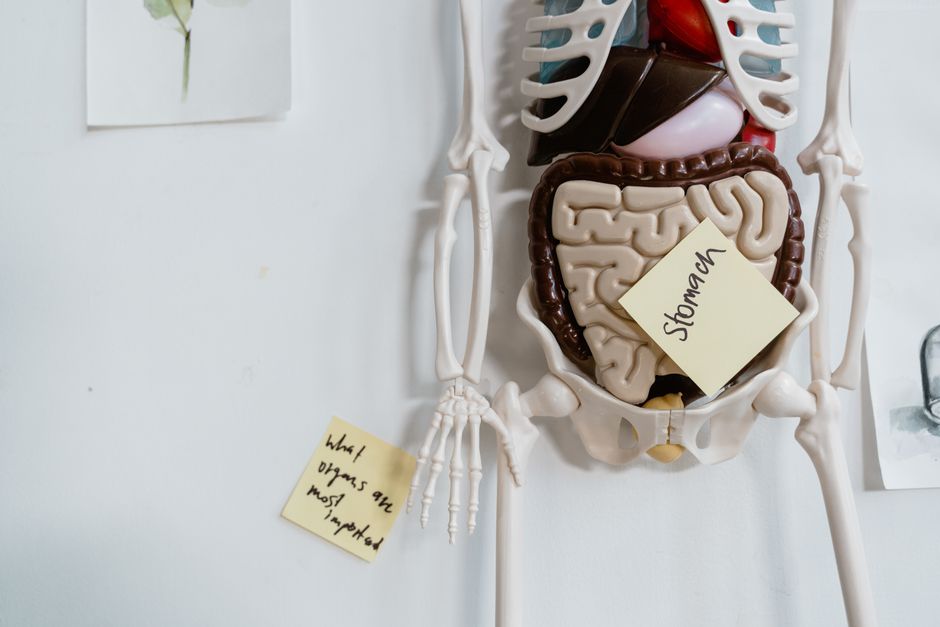
Upper stomach pain is often a signal from the stomach itself or from the first part of the small intestine, which sits just below it. The most proven relief depends on the cause: acid-related pain usually responds to acid-reducing medicines, while pain from gas, muscle strain, or a viral bug needs a different approach. This article covers what has real evidence behind it, what is mostly marketing, and when upper stomach pain is a medical emergency.
What Causes Pain in the Upper Stomach?
The upper abdomen holds the stomach, the first section of the small intestine, the liver, gallbladder, pancreas, and part of the colon. Pain in that area can come from any of them. That is why the same symptom leads to very different treatments.
The most common causes fall into a few groups:
- Acid-related problems — gastritis (inflamed stomach lining), peptic ulcers, and gastroesophageal reflux disease (GERD).
- Functional dyspepsia — recurring upper abdominal discomfort with no ulcer or other structural cause found on testing. It is common and often linked to how the stomach empties and how sensitive its nerves are.
- Gallbladder disease — pain that classically comes on after fatty meals and may radiate to the right shoulder or back.
- Pancreatitis — severe pain that often bores through to the back.
- Gas, indigestion, and constipation — uncomfortable but usually not dangerous.
- Muscle strain or viral illness — soreness in the abdominal wall or a short-lived stomach bug.
Two conditions matter enough to name directly. Helicobacter pylori is a bacterium that lives in the stomach lining and is a major cause of peptic ulcers. It is treatable with antibiotics plus acid suppression, and testing is widely available. Gallstones are very common and often cause no symptoms at all — many people have them and never know.
Because these causes overlap in how they feel, a symptom alone rarely confirms a diagnosis. A clinician’s exam and, when needed, testing such as an upper endoscopy or an H. pylori test are what sort out which one is driving the pain.
What To Take For Upper Stomach Pain Relief
For acid-related upper stomach pain, the strongest evidence supports acid-reducing medicines. Proton pump inhibitors (PPIs) such as omeprazole, esomeprazole, and pantoprazole are the most studied option, and they work by blocking the pumps in the stomach lining that produce acid.
How the main over-the-counter options compare:
| Option | How it works | Best suited for |
|---|---|---|
| Antacids (calcium carbonate, magnesium hydroxide, aluminum hydroxide) | Neutralize acid already in the stomach | Fast, short-term relief of mild heartburn or indigestion |
| H2 blockers (famotidine, cimetidine) | Reduce how much acid the stomach makes | Mild to moderate acid symptoms, often at night |
| Proton pump inhibitors (omeprazole, esomeprazole, pantoprazole) | Block acid production at the source | Frequent or persistent acid symptoms, and healing of ulcers or esophagitis |
| Antibiotics plus a PPI | Eliminate H. pylori infection | Confirmed H. pylori infection |
The choice depends on how often symptoms happen and how severe they are. Antacids act within minutes but wear off. PPIs take longer to work and are meant for regular use over a set period, not for instant relief.
For pain from gas or bloating, simethicone is widely used and generally well tolerated, though the evidence for how well it works is modest. For muscle soreness or a viral bug, the answer is usually rest, fluids, and time — not acid medicine.
Two cautions are worth stating plainly. First, do not start a PPI for new, unexplained upper stomach pain without talking to a clinician, because masking ulcer or gallbladder symptoms can delay a diagnosis. Second, long-term PPI use is associated with risks including low magnesium, vitamin B12 deficiency, and a higher rate of certain infections, so the goal is usually the shortest course that controls symptoms.
Do Natural Remedies and Home Treatments Work?
Some home measures have reasonable evidence behind them. Others do not.
Ginger has been studied for nausea and stomach discomfort, and some trials show benefit for nausea, though evidence for general upper stomach pain is limited. Chamomile and peppermint are traditional remedies; peppermint oil has some evidence in irritable bowel syndrome, but that is a different condition from upper stomach pain.
What has little to no reliable evidence for treating upper stomach pain:
- Apple cider vinegar — often promoted for reflux, but no controlled trials support it, and its acidity could worsen irritation.
- Baking soda — neutralizes acid briefly, but the effect is short and high sodium intake is a concern for people with heart or kidney conditions.
- Colloidal silver, activated charcoal, and various “stomach detox” products — no clinical evidence confirms they help.
- Licorice root — deglycyrrhizinated licorice (DGL) is sometimes used, but evidence is weak and it can interact with medications and raise blood pressure in some forms.
Lifestyle measures have more support than most supplements. Eating smaller meals, avoiding late-night eating, limiting alcohol and caffeine, and quitting smoking all reduce acid symptoms in many people. If specific foods trigger pain, keeping a simple diary can help identify them.





When Is Upper Stomach Pain an Emergency?
Most upper stomach pain is not dangerous, but some causes are. Seek emergency care for:
- Pain that is severe, sudden, or feels like it is tearing or boring through to your back.
- Vomiting blood or material that looks like coffee grounds.
- Black, tarry stools.
- Pain with a rigid, tender, or board-like abdomen.
- Pain with fever, yellowing of the eyes or skin, or a rapid heartbeat.
- Chest pain, shortness of breath, or pain spreading to the arm or jaw — heart attacks can present as upper stomach pain, particularly in women and older adults.
Less urgent but still worth a medical visit: pain that wakes you at night, unexplained weight loss, difficulty swallowing, persistent vomiting, or pain that does not improve after several days of treatment.
What Should You Avoid When Your Stomach Hurts?
Avoid reaching for pain relievers in the NSAID family — ibuprofen, naproxen, aspirin, and diclofenac. These are a well-established cause of stomach lining irritation and ulcers, and they can make acid-related pain worse. If you need a pain reliever and have stomach concerns, acetaminophen is generally gentler on the stomach, though it carries its own liver-related cautions and should not be combined with alcohol or taken beyond recommended limits.
Also avoid:
- Alcohol and smoking, both of which worsen acid symptoms and slow ulcer healing.
- Large, heavy, or very fatty meals, which can trigger gallbladder pain.
- Lying down within a few hours of eating, which worsens reflux.
- Taking multiple acid medicines at once without medical advice.
One point that surprises many people: spicy food does not cause ulcers. The old belief that it does has been disproven. Spicy food can aggravate existing symptoms in some people, but it is not the underlying cause of ulcer disease. H. pylori infection and NSAID use are the two leading causes.
How Long Should You Wait Before Seeing a Doctor?
If upper stomach pain lasts more than a few days, keeps coming back, or does not respond to over-the-counter treatment, see a clinician. Persistent or recurring pain deserves an evaluation rather than repeated self-treatment.
Testing is straightforward when needed. An H. pylori test can be done by breath, stool, or blood. An upper endoscopy lets a doctor look directly at the stomach lining and take a biopsy if something looks abnormal. Neither is routine for mild, occasional symptoms, but both are reasonable when pain is persistent, severe, or comes with warning signs.
There is no single timeline that fits everyone. A short bout of indigestion after a heavy meal is different from pain that has been building for weeks. The pattern matters more than any fixed number of days.
What Actually Helps Most People
For occasional, mild upper stomach pain from acid or indigestion, an antacid or an H2 blocker often brings quick relief. For frequent or persistent acid symptoms, a PPI taken as directed is the better-supported option, and it should be paired with a plan to figure out the underlying cause.
For pain that is not acid-related, the treatment is different. Gas pain responds to simethicone or to passing gas naturally. Muscle strain responds to rest and gentle heat. Viral stomach bugs resolve with fluids and time.
The single most useful step is matching the treatment to the cause. That usually means a conversation with a clinician rather than guessing — especially if pain is recurring, severe, or comes with any warning sign.
Frequently Asked Questions
What is the fastest relief for upper stomach pain?
An antacid like calcium carbonate works within minutes by neutralizing stomach acid. It is best for mild, occasional symptoms and wears off quickly.
Can I take omeprazole for upper stomach pain without seeing a doctor?
Short-term use for mild, occasional reflux symptoms is common, but persistent or unexplained pain should be evaluated first. Masking symptoms can delay diagnosis of an ulcer or gallbladder problem.
Is upper stomach pain ever a sign of a heart attack?
Yes. Heart attacks can present as upper abdominal pain, especially in women and older adults, and this is a medical emergency. Chest pain, shortness of breath, or pain spreading to the arm or jaw should trigger an immediate call for help.
Do natural remedies like apple cider vinegar help upper stomach pain?
No controlled trials support apple cider vinegar for stomach pain, and its acidity could worsen irritation. Lifestyle changes like smaller meals and avoiding late eating have stronger support.
