
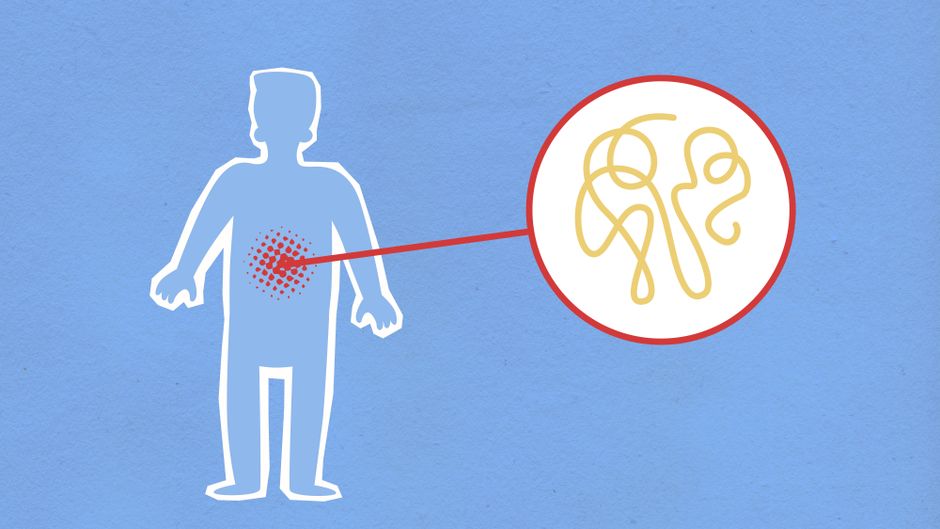
Yes — some sexually transmitted infections can cause stomach pain or abdominal pain, and in certain cases that pain is a warning sign of a serious infection that needs treatment right away. The key distinction is where the pain sits and what comes with it. STIs that stay in the genital tract often cause no stomach symptoms at all, while infections that move upward into the uterus, fallopian tubes, or pelvic cavity can produce real abdominal pain.
Do STDs Cause Stomach Pain Or Abdominal Pain?
STIs cause abdominal pain mainly when the infection spreads beyond the cervix or urethra into the reproductive organs or the pelvic cavity. The most common example is pelvic inflammatory disease, or PID.
PID is an infection of the upper reproductive tract — the uterus, fallopian tubes, and ovaries. It usually starts when bacteria from the vagina or cervix travel upward. Chlamydia and gonorrhea are the two infections most often linked to PID, though other bacteria found in the vagina can also be involved.
When PID develops, pain tends to sit low in the belly, below the navel. It may be dull or sharp. It can come on slowly over days or hit suddenly and hard. That sudden, severe version is a medical emergency, not something to wait out.
It’s worth separating two ideas that often get blended together. An STI itself does not usually cause stomach pain. It’s the spread of that infection into deeper tissue that does. So a person can have chlamydia or gonorrhea with no belly pain at all, and still be infected and still be able to pass it on.
Which STIs Are Most Likely To Cause Abdominal Pain?
Chlamydia and gonorrhea are the leading causes of infection-related pelvic pain in people with a uterus. Both can climb from the cervix into the upper reproductive tract and set off PID.
Chlamydia is a particular problem because it often causes no symptoms. A person can carry it for months without knowing. During that time, the infection can quietly move upward and cause inflammation and scarring in the fallopian tubes. This is one reason chlamydia is sometimes called a silent infection.
Gonorrhea behaves in a similar way but is more likely to produce noticeable symptoms, such as burning with urination or unusual discharge. When it reaches the upper tract, it can cause PID just as chlamydia does.
Other infections can also be involved:
- Mycoplasma genitalium — an emerging STI that some studies link to pelvic inflammatory symptoms, though research on its role is still developing.
- Trichomoniasis — a common parasitic STI. It mainly causes vaginal irritation and discharge, and its link to abdominal pain is weaker and less direct.
- Herpes simplex virus — usually causes genital sores and pain with urination. It does not typically cause deep abdominal pain unless there are complications.
- Syphilis — rarely causes abdominal pain on its own, but can affect many organs if untreated over years.
The pattern matters. Infections that stay on the surface of the genital tract cause local symptoms. Infections that invade deeper tissue cause abdominal pain.
What Does PID Pain Actually Feel Like?
PID pain is usually felt low in the abdomen, and it often comes with other signs that something is wrong. Recognizing the cluster of symptoms matters more than any single one.
Common features include:
- Pain in the lower belly, sometimes on one side
- Pain during sex
- Unusual discharge with an odor
- Bleeding between periods or after sex
- Fever, sometimes with chills
- Pain or burning when urinating
The pain may be mild enough to ignore at first. That is a problem, because PID can scar the fallopian tubes even when symptoms are mild. Scarring can block the tubes and lead to infertility or raise the risk of an ectopic pregnancy, where a fertilized egg implants outside the uterus.
A note on anatomy: not everyone with these organs identifies as a woman, and not everyone who has an STI has the same set of organs. The symptoms follow the organs involved, not a person’s gender identity.





When Is Abdominal Pain A Medical Emergency?
Some causes of abdominal pain linked to STIs are emergencies that can become life-threatening within hours. Knowing the red flags can be the difference between a treatable problem and a dangerous one.
Get emergency care right away if you have:
- Sudden, severe abdominal pain
- Pain so intense you cannot stand up straight
- High fever with shaking chills
- Fainting, dizziness, or a racing heart
- Shoulder pain along with severe belly pain
These signs can point to a tubo-ovarian abscess — a pocket of pus in the pelvis — or to a ruptured ectopic pregnancy, both of which require urgent treatment. Shoulder pain in this setting is a known warning sign of internal bleeding that irritates the diaphragm.
Do not wait to see if it passes. Severe abdominal pain with fever is a reason to go to an emergency department, not to schedule a routine visit.
Can Other Conditions Cause The Same Symptoms?
Many conditions that have nothing to do with STIs cause stomach or pelvic pain, and telling them apart is not always simple. This is why a proper evaluation matters.
Common non-STI causes include:
- Urinary tract infections
- Kidney stones
- Appendicitis
- Irritable bowel syndrome
- Ovarian cysts
- Endometriosis
- Ectopic pregnancy
Some of these overlap closely with PID in how they feel. Appendicitis, for example, often starts as pain around the navel that moves to the lower right belly. An ectopic pregnancy can cause one-sided pelvic pain and bleeding. A urinary tract infection can cause pelvic pressure and burning with urination.
Because the symptoms overlap, no one can reliably tell these apart by feel alone. A clinician uses a physical exam, lab tests, and sometimes imaging to sort out the cause.
How Are STI-Related Causes Of Abdominal Pain Diagnosed?
Diagnosis starts with a history and a physical exam, then moves to specific tests. There is no single test that identifies every possible cause.
For suspected STIs, clinicians typically use:
- A urine test or a swab to check for chlamydia and gonorrhea
- A pelvic exam to check for tenderness or an abnormal mass
- Blood tests to look for signs of infection
- Ultrasound to look at the uterus, tubes, and ovaries
Testing for chlamydia and gonorrhea is straightforward and often uses a urine sample, so it does not always require a pelvic exam. Many clinics offer these tests at low or no cost.
If PID is suspected, treatment often begins before all test results come back. That is deliberate. Delaying treatment raises the risk of lasting damage to the reproductive tract, so clinicians may start antibiotics based on the exam and history alone.
How Is It Treated?
PID is treated with antibiotics, and treatment usually starts as soon as the condition is suspected. The exact regimen depends on the person, the likely bacteria, and how severe the infection is.
Mild cases are often treated with a combination of antibiotics taken by mouth at home. More serious cases — especially those with high fever, severe pain, or an abscess — may need intravenous antibiotics in a hospital. In some situations, surgery is needed to drain an abscess.
Two points matter here. First, a person being treated for PID is usually also treated for chlamydia and gonorrhea at the same time, even before test results return, because those are the most common causes. Second, sexual partners need testing and treatment too. Without treating partners, reinfection is likely, and reinfection raises the risk of complications.
This article does not give specific drug names or doses. Antibiotic choice is a clinical decision that depends on individual factors, and the right regimen has to come from a clinician who knows the case.
Can STI-Related Abdominal Pain Be Prevented?
Preventing the STI prevents the abdominal pain that can follow from it. There is no way to prevent PID directly once an infection has taken hold — the goal is to stop the infection before it spreads.
Steps that reduce risk include:
- Using condoms correctly and consistently
- Getting tested regularly, especially with new or multiple partners
- Making sure partners are tested and treated
- Seeking care quickly for symptoms like discharge, burning, or pelvic pain
Regular testing matters more than many people realize, because chlamydia and gonorrhea often cause no symptoms. Someone can feel completely fine and still have an infection that is moving upward. Testing catches it before that happens.
There is no vaccine for chlamydia or gonorrhea. There is a vaccine for HPV, which prevents the infections most linked to cervical cancer, but HPV is not a common cause of the kind of deep abdominal pain discussed here.
What Should You Do If You Have Symptoms?
See a healthcare provider if you have pelvic or abdominal pain, especially if it comes with fever, unusual discharge, or pain during sex. Do not try to treat it at home or wait for it to clear on its own.
If you have had a possible exposure and no symptoms, testing is still worthwhile. Many STIs are silent, and early treatment prevents the complications that cause pain in the first place.
The bottom line is simple. Some STIs can cause stomach or abdominal pain, but usually only after the infection spreads deeper into the reproductive tract. Pain alone does not tell you the cause. Testing and prompt care do.
Frequently Asked Questions
Can chlamydia cause stomach pain?
Yes, chlamydia can cause lower abdominal pain when it spreads from the cervix into the uterus and fallopian tubes, a condition called pelvic inflammatory disease. Many people with chlamydia have no symptoms at all until that spread happens.
How do I know if my abdominal pain is from an STI or something else?
You generally cannot tell by how the pain feels, because STI-related pain overlaps with appendicitis, urinary tract infections, ovarian cysts, and other conditions. A clinician uses an exam and lab tests to identify the cause.
When should I go to the emergency room for pelvic pain?
Go right away for sudden severe pain, pain so intense you cannot stand, high fever with chills, fainting, or shoulder pain along with belly pain. These can signal a tubo-ovarian abscess or a ruptured ectopic pregnancy, which need urgent care.
Can gonorrhea cause abdominal pain without other symptoms?
It can, though gonorrhea is more likely than chlamydia to cause noticeable symptoms like burning with urination or discharge. When it reaches the upper reproductive tract, it can cause pelvic pain with few other warning signs.
