
Getting more sleep often feels like a puzzle. You go to bed at a reasonable hour, yet the alarm still comes too soon. The truth is that adding hours to your sleep is rarely about sleeping in later. It is about changing a few specific habits that control when you fall asleep and how long you stay asleep. Most people can add 45 minutes to an hour of quality sleep each night by adjusting their evening routine, their wake-up time, and how they respond to middle-of-the-night awakenings.
What Actually Controls How Long You Sleep
Two biological systems govern your sleep. The first is your circadian rhythm, a 24-hour internal clock that tells your body when to feel alert and when to feel sleepy. The second is sleep pressure, the buildup of a chemical called adenosine in your brain. The longer you stay awake, the more adenosine accumulates, and the stronger your urge to sleep becomes.
When these two systems align, you fall asleep quickly and stay asleep. When they conflict, you toss and turn. For example, if your circadian rhythm says it is time to be awake but your sleep pressure is high, you may wake up at 3 a.m. and struggle to return to sleep. Understanding this interaction is the foundation of every habit that adds hours to your night.
Your sleep need is also partly genetic. Most adults need between 7 and 9 hours per night, but some function well on 6 and others need 10. The goal is not to force your body into a specific number. The goal is to find the habits that let your natural sleep drive work without interruption.
Why Waking Up at the Same Time Every Day Matters More Than Bedtime
Your circadian rhythm anchors to your wake time, not your bedtime. When you wake up at the same time every day, including weekends, your body learns when to start releasing melatonin, the hormone that prepares you for sleep. This creates a predictable wave of sleepiness about 15 to 17 hours after you wake.
Sleeping in on Saturday morning shifts your internal clock. If you normally wake at 6 a.m. but sleep until 9 a.m. on the weekend, your body now expects sleepiness later on Sunday night. That makes falling asleep harder, which shortens your sleep and starts a cycle of poor rest.
Consistency is the single most powerful sleep habit for adding hours. A regular wake time trains your body to consolidate sleep into a solid block rather than fragmented pieces. If you currently wake at different times each day, pick a realistic time and stick to it for two weeks. Most people notice their sleep deepens and their total sleep time increases within that period.
How To Sleep Longer Habits That Add More Hours
The most effective habits for longer sleep target the hour before bed and the first few minutes after you wake. These are the moments when your body decides whether to continue sleeping or begin waking.
Start with light exposure. Bright light in the morning, especially within the first hour after waking, strengthens your circadian rhythm. This makes your body produce melatonin at the correct time in the evening. Conversely, bright light in the hour before bed delays melatonin release. Dim your lights and avoid screens 60 minutes before your target bedtime.
Next, manage your bedroom temperature. Your core body temperature must drop by about 1 to 2 degrees Fahrenheit to initiate and maintain sleep. A room temperature between 65 and 68 degrees Fahrenheit supports this drop. If your bedroom is too warm, your body struggles to reach the temperature needed for deep sleep, and you may wake frequently.
Finally, address your thoughts. Racing thoughts are a common reason people wake and cannot return to sleep. A simple habit is to keep a notepad by your bed. Write down worries or tasks before you lie down. This externalizes the thoughts and reduces their power to keep your brain alert.





The Hidden Problem of Waking Up in the Middle of the Night
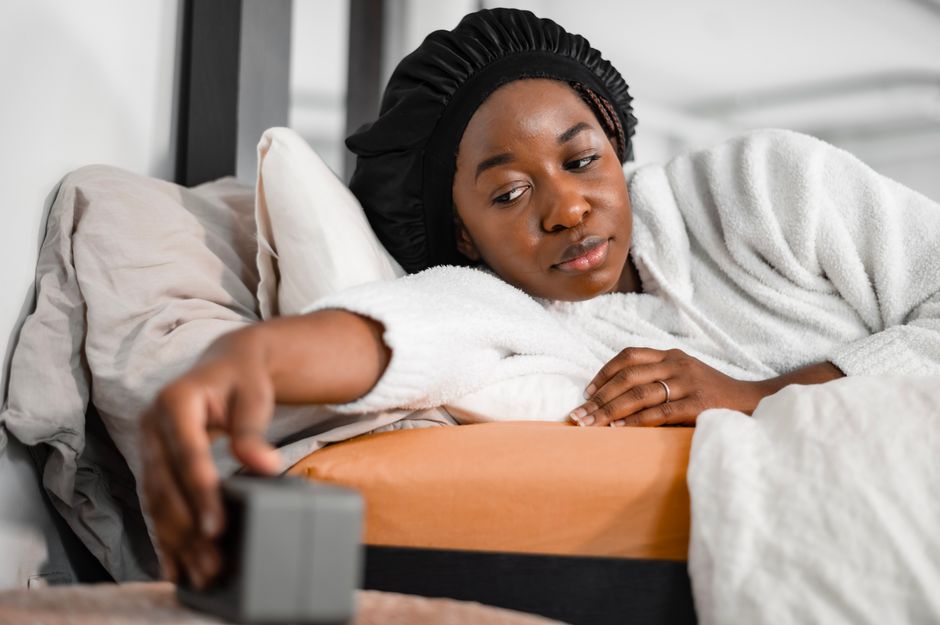
Waking up once or twice during the night is normal. The issue is what you do next. Many people check their phone, look at the clock, or turn on a light. These actions signal to your brain that morning has arrived, making it harder to fall back asleep.
When you wake at night, keep the room dark and avoid checking the time. If you cannot fall back asleep within 20 minutes, get out of bed and go to a dimly lit room. Do a quiet activity like reading a physical book or listening to calm music. Return to bed only when you feel sleepy again.
This habit, called stimulus control, trains your brain to associate your bed only with sleep. Over time, your body learns that being in bed means sleeping, not lying awake. People who practice this consistently report falling back asleep faster and waking less often.
What to Avoid in the Afternoon and Evening
Caffeine is the most common sleep thief. It blocks adenosine receptors in your brain, preventing sleep pressure from building. Caffeine has a half-life of about 5 to 6 hours, meaning half of what you consume is still in your system after that time. A 2 p.m. coffee still affects your sleep at 10 p.m. for many people.
Alcohol is another disruptor. While alcohol can help you fall asleep faster, it fragments sleep in the second half of the night. It reduces REM sleep and increases awakenings. If you drink alcohol, finishing at least 3 hours before bed reduces its impact on your sleep architecture.
Large meals close to bedtime also interfere with sleep. Digestion raises your core body temperature and can cause acid reflux, both of which disrupt sleep. Try to finish your last substantial meal at least 2 to 3 hours before bed. A light snack is fine if you are hungry.
How Napping Affects Your Next Night of Sleep
Naps are a double-edged sword. A short nap of 10 to 20 minutes in the early afternoon can boost alertness without affecting nighttime sleep. Longer naps, especially those lasting over 90 minutes, reduce sleep pressure and make it harder to fall asleep at night.
The problem is timing. Napping late in the day, after 3 p.m., delays your natural sleepiness. This pushes your bedtime later and shortens your total sleep. If you struggle with nighttime sleep, consider eliminating naps entirely for a week to see if your night sleep improves.
If you must nap, keep it under 30 minutes and schedule it before 2 p.m. This allows enough time for sleep pressure to rebuild before bedtime.
When Your Sleep Problem Needs More Than Habits
Habits help most people, but not everyone. If you have tried consistent wake times, reduced caffeine, and controlled your environment for a month without improvement, consider whether a medical condition is involved.
Sleep apnea is a common condition where breathing repeatedly stops during sleep. It causes frequent awakenings that you may not remember. Loud snoring, gasping during sleep, and excessive daytime sleepiness are warning signs. Untreated sleep apnea can shorten sleep and increase health risks, including high blood pressure and heart disease.
Insomnia disorder is another possibility. This is difficulty falling or staying asleep at least three nights per week for three months or more, despite having the opportunity to sleep. Cognitive behavioral therapy for insomnia is the first-line treatment and has strong evidence for improving sleep duration. It is not a medication. It is a structured program that changes sleep-related thoughts and behaviors.
If you suspect either condition, speak with a healthcare provider. A referral for a sleep study may be appropriate. Do not self-diagnose, but do not ignore persistent sleep problems either.
Building Your Personal Sleep Extension Plan
You do not need to change everything at once. Pick two habits from this article and practice them for two weeks. Track your sleep with a simple journal, noting bedtime, wake time, and how rested you feel. This data tells you what works for your body.
A practical starting plan looks like this. Wake at the same time daily, even on weekends. Dim lights and avoid screens one hour before bed. Keep your bedroom cool and dark. If you wake at night, stay in darkness and avoid checking the time. Finish caffeine by early afternoon and limit alcohol in the evening.
Within two weeks, most people notice that falling asleep takes less time and that middle-of-the-night awakenings shorten. The extra minutes accumulate. That is how you add hours to your sleep, not by one dramatic change, but by removing the small barriers that fragment your rest.
Frequently Asked Questions
How long does it take to see results from new sleep habits?
Most people notice improvements within one to two weeks. Full adaptation to a new sleep schedule can take up to a month.
Is it better to sleep in on weekends if I am tired?
No, sleeping in on weekends shifts your circadian rhythm and makes Sunday night sleep harder. Keep your wake time consistent within one hour of your weekday time.
Can I make up for lost sleep with a long nap?
Long naps reduce sleep pressure and can make it harder to fall asleep at night. A short nap of 20 minutes is better than a long one.
What is the best room temperature for sleeping longer?
Most sleep specialists recommend a bedroom temperature between 65 and 68 degrees Fahrenheit. A cooler room supports the natural drop in core body temperature needed for deep sleep.
