
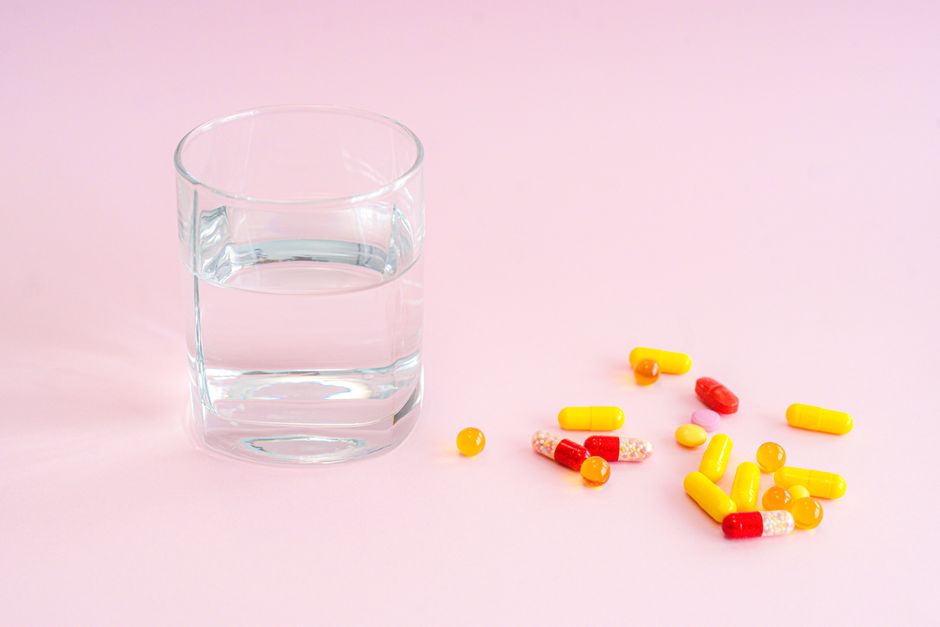
Gas and constipation often show up together, and that is not a coincidence. When stool moves slowly through the colon, bacteria have more time to ferment it, which produces gas. The most effective approach targets both problems at once: gentle laxatives for the stool and simethicone for the trapped gas. For most people, that combination brings relief within hours, not days.
What To Take For Gas And Constipation Relief
Start with an osmotic laxative like polyethylene glycol (MiraLax) or magnesium hydroxide. These draw water into the colon, softening the stool and stimulating movement. They do not cause the cramping that stimulant laxatives often do.
For the gas itself, simethicone (Gas-X, Phazyme) breaks up trapped gas bubbles so they can pass more easily. It does not reduce gas production. It simply makes existing gas easier to expel.
If constipation has lasted more than a few days, a stimulant laxative like bisacodyl (Dulcolax) may be needed. These trigger colon contractions. They work faster but carry a higher risk of cramping. Reserve them for occasional use.
Fiber supplements like psyllium (Metamucil) can help prevent future episodes, but they are not a quick fix. In fact, adding fiber while already constipated can worsen gas and bloating. Treat the current episode first, then consider fiber for prevention.
Why Gas And Constipation Happen Together
Constipation means stool spends too much time in the colon. The colon reabsorbs water from stool, so the longer stool sits there, the harder and drier it becomes.
Slow movement also changes the bacterial environment. Gut bacteria ferment undigested carbohydrates in the colon. When stool moves slowly, fermentation time increases. More fermentation means more gas production.
That explains why bloating and distension are so common with constipation. The gas has nowhere to go because the stool ahead of it is blocking the exit. Treating the constipation often resolves the gas on its own.
Some people also have a condition called pelvic floor dysfunction, where the muscles around the rectum do not relax properly during a bowel movement. This can cause both constipation and a sensation of trapped gas. If laxatives do not help, this is worth discussing with a doctor.
Over-The-Counter Options Compared
Not all laxatives work the same way. Choosing the right type matters.
| Type | Examples | How It Works | Onset |
|---|---|---|---|
| Osmotic | Polyethylene glycol, magnesium hydroxide | Draws water into the colon | 12-72 hours |
| Stimulant | Bisacodyl, senna | Triggers colon contractions | 6-12 hours |
| Stool softener | Docusate sodium | Adds moisture to hard stool | 12-72 hours |
| Fiber | Psyllium, methylcellulose | Adds bulk and water to stool | 2-3 days |
| Gas relief | Simethicone | Breaks up gas bubbles | 30-60 minutes |
Osmotic laxatives are generally considered the safest for regular use. Stimulant laxatives work faster but should not be used daily without medical supervision. Stool softeners are mild but not very effective for severe constipation. Fiber is best for prevention, not acute relief.
Simethicone can be taken alongside any laxative. There are no known interactions between simethicone and common laxatives.




What To Eat And Drink During A Constipation Episode
Water matters more than fiber during an active episode. If you take an osmotic laxative and do not drink enough fluid, it will not work well. Aim for several extra glasses of water throughout the day.
Certain foods can make gas worse during constipation. Beans, broccoli, cabbage, onions, and carbonated drinks all increase fermentation. Avoiding these for a day or two can reduce gas while you treat the constipation.
Prunes and prune juice have a genuine evidence base for constipation relief. They contain sorbitol, a naturally occurring sugar alcohol that draws water into the colon. Some research shows prunes work as well as psyllium for mild constipation.
Warm liquids, especially coffee, can stimulate the gastrocolic reflex — the signal that tells the colon to move when food enters the stomach. This is not a treatment, but it can help if you are close to having a bowel movement.
Physical Strategies That Actually Help
Position matters more than most people realize. The natural squatting position straightens the angle between the rectum and the anus, making it easier to pass stool.
Place a small footstool under your feet so your knees are higher than your hips. This mimics a squatting posture while sitting on a standard toilet. It is free, safe, and supported by basic anatomy.
Gentle abdominal massage can also help. Move your hands in a clockwise circle starting at the lower right side of your abdomen. This follows the path of the colon and can stimulate movement. There is limited research, but it is harmless and some people find it helpful.
Walking is one of the most underrated remedies. Physical movement increases intestinal contractions. A 10-15 minute walk after a meal can help move gas and stool along.
When Over-The-Counter Options Are Not Enough
If you have tried osmotic laxatives and simethicone without relief after several days, see a doctor. Prolonged constipation can indicate an underlying issue.
Prescription options exist for chronic constipation. Linaclotide (Linzess) and lubiprostone (Amitiza) work by increasing fluid secretion in the intestines. They are approved for chronic idiopathic constipation and irritable bowel syndrome with constipation.
These medications require a prescription and a proper diagnosis. They are not first-line treatments. But for people who do not respond to over-the-counter options, they can be effective.
Seek immediate medical attention if you have constipation accompanied by severe abdominal pain, vomiting, blood in the stool, or the inability to pass gas at all. These can be signs of a bowel obstruction, which is a medical emergency.
What Not To Take
Some products marketed for gas and bloating have little or no evidence behind them. Activated charcoal is one example. It may reduce gas odor, but no large trials confirm it reduces gas volume or bloating.
Be wary of “detox” teas and herbal laxatives. Many contain senna or cascara, which are stimulant laxatives. They work, but the dose is unregulated and unpredictable. Daily use can lead to dependence.
Avoid taking fiber supplements while actively constipated. Psyllium and other bulk-forming fibers need water to work. If stool is already hard and slow-moving, adding fiber can make the blockage worse.
Do not take simethicone in place of a laxative. It treats gas symptoms but does nothing for constipation. If you only treat the gas, the underlying constipation will continue.
Preventing The Next Episode
The best prevention is consistent water intake and regular physical activity. Both support normal colon transit time.
If you use fiber for prevention, increase the dose gradually over one to two weeks. Sudden increases cause gas and bloating. Drink extra water when taking fiber supplements.
Establish a regular bathroom routine. The gastrocolic reflex is strongest in the morning, especially after breakfast. Sitting on the toilet at the same time each day, even briefly, can train your body to expect a bowel movement.
Pay attention to medications. Opioid painkillers, some blood pressure medications, iron supplements, and certain antidepressants cause constipation. If you take any of these and struggle with constipation, discuss alternatives with your doctor.
Frequently Asked Questions
Can I take Gas-X and MiraLax together?
Yes, simethicone and polyethylene glycol can be taken at the same time. They work through different mechanisms and have no known interactions.
How long does it take for MiraLax to work?
Polyethylene glycol typically produces a bowel movement within 12 to 72 hours. Most people feel results within 24 to 48 hours.
Does drinking more water help with gas and constipation?
Yes, water is essential for osmotic laxatives to work and for stool to stay soft. Dehydration is a common cause of constipation.
Is it safe to use Dulcolax every day?
No, stimulant laxatives like bisacodyl are meant for occasional use only. Daily use can lead to dependence and should only happen under medical supervision.
