
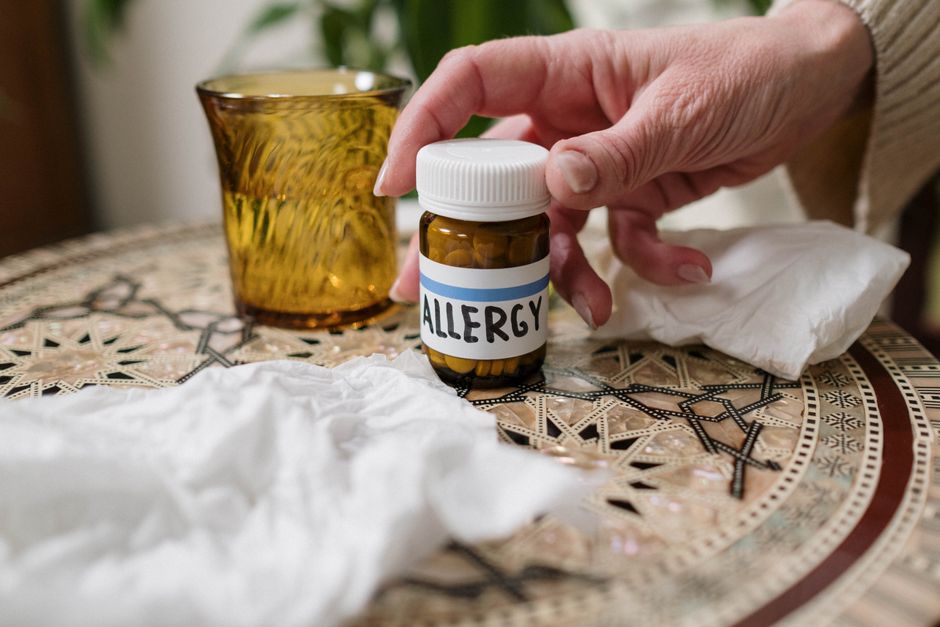
If you are having a mild allergic reaction to a food, an antihistamine is usually the first thing to reach for. If the reaction is severe — trouble breathing, swelling of the throat, a sudden drop in blood pressure — the answer is epinephrine, and it is not optional. There is no pill or home remedy that substitutes for epinephrine in a severe reaction. The single most important thing to understand is that mild and severe reactions are treated with completely different medicines, and mixing them up can be dangerous.
What To Take For A Food Allergy Mild To Severe?
Mild and severe reactions call for different medicines. Matching the treatment to the severity is the whole game.
A mild reaction usually means itching, a few hives, or a slightly runny nose. An oral antihistamine is the standard first step. A severe reaction — called anaphylaxis — involves the airway, breathing, or circulation, and it requires epinephrine injected into the thigh muscle right away.
Antihistamines do not treat anaphylaxis. They cannot open a closed airway or bring up falling blood pressure. Using them instead of epinephrine during a severe reaction wastes the minutes that matter most.
Here is the basic map:
- Mild (hives, itching, mild rash): oral antihistamine
- Moderate (widespread hives, vomiting, cramping): antihistamine plus close watching, and be ready to escalate
- Severe (breathing trouble, throat tightness, faintness, collapse): epinephrine injection immediately, then call 911
The line between moderate and severe can blur fast. When in doubt, treat it as severe.
What Counts as a Mild Food Allergy Reaction?
A mild reaction stays on the skin or in the upper airway and does not affect breathing or blood pressure. It typically shows up within minutes to two hours of eating the trigger food.
Common mild signs include:
- Itchy skin or a few raised, red hives
- Mild swelling around the mouth or lips
- Itchy or watery eyes
- A runny nose or sneezing
- An itchy mouth or throat without any trouble breathing
For these, an oral antihistamine is the usual treatment. It calms itching and hives by blocking histamine, the chemical your immune system releases during an allergic reaction. It works within about 30 minutes for most people.
One clarification worth knowing: antihistamines treat symptoms, not the allergy itself. They do not stop a reaction from progressing. So even after a mild reaction settles, keep watching for a while. Reactions can sometimes worsen over the first hour or two.
What Are the Warning Signs of a Severe Reaction?
A severe reaction — anaphylaxis — involves the body’s breathing or circulation, and it can progress within minutes. This is a medical emergency.
Warning signs include:
- Trouble breathing, wheezing, or a tight chest
- Swelling of the tongue, lips, or throat
- A hoarse voice or trouble swallowing
- Feeling faint, dizzy, or confused
- A sudden drop in blood pressure
- Vomiting, cramping, or diarrhea along with other symptoms
- A sense of impending doom
Any one of these, especially after eating a known trigger food, points to anaphylaxis. The treatment is epinephrine — not an antihistamine, not waiting to see if it gets worse.
Epinephrine is a prescription medicine given by auto-injector into the outer thigh. It works by opening the airway and raising blood pressure. It is the only medicine that reverses anaphylaxis. Antihistamines may be given afterward, but they are never the first move.
After using epinephrine, call 911. Symptoms can return hours later without further exposure — a pattern called a biphasic reaction — so medical observation matters even if the person feels better.





How Do Antihistamines and Epinephrine Differ?
They do different jobs, and one cannot replace the other. This is the single most important distinction in food allergy care.
Antihistamines block histamine at the receptor level. That eases itching, hives, sneezing, and a runny nose. They do not touch the airway or blood pressure, which is exactly where severe reactions cause harm.
Epinephrine acts on the whole body. It relaxes the muscles around the airways, tightens blood vessels to raise blood pressure, and reduces swelling. It is the difference between treating a symptom and treating a life-threatening event.
Some people assume a strong antihistamine can stand in for epinephrine if an auto-injector is not handy. It cannot. No antihistamine has been shown to reverse anaphylaxis, and delaying epinephrine is linked to worse outcomes.
What About Over-the-Counter Options?
Several over-the-counter antihistamines are used for mild reactions. They differ mainly in how drowsy they make you.
Diphenhydramine is a first-generation antihistamine. It works well but commonly causes drowsiness and can impair thinking and driving. Cetirizine, loratadine, and fexofenadine are second-generation antihistamines. They cause less drowsiness and last longer, usually about 24 hours.
Follow the dose on the package label. For children, use the weight-based dosing on the product or as directed by a clinician. Do not guess at doses for infants — no over-the-counter antihistamine should be given to an infant without specific medical guidance.
Two cautions. First, antihistamines do not treat a severe reaction, no matter the dose. Second, if you have a known food allergy and carry an auto-injector, an antihistamine is a backup for mild symptoms — not a replacement for epinephrine when the reaction turns severe.
Can You Prevent a Reaction Before It Starts?
The only reliable way to prevent a food allergy reaction is to avoid the trigger food. There is no medicine that lets you safely eat a food you are allergic to.
For some people, clinicians prescribe treatments that reduce sensitivity to a specific allergen over time. This approach, called immunotherapy, is used mainly for peanut allergy and involves carefully measured, gradually increasing exposure under medical supervision. It does not cure the allergy, and it does not make the food safe to eat freely. It can lower the chance of a severe reaction from accidental exposure.
This is not something to attempt at home. Oral immunotherapy carries a real risk of triggering a severe reaction during treatment and should only be done with a specialist who can manage that risk.
Practical prevention steps:
- Read food labels every time, even on foods you have bought before
- Ask about ingredients when eating out
- Carry your epinephrine auto-injector if one is prescribed
- Teach family, friends, and caregivers how to use it
- Check expiration dates on your auto-injector
A note on label reading: food labeling rules require major allergens to be listed in plain language, but “may contain” warnings are voluntary and not standardized. Their absence does not guarantee a food is free of traces of an allergen.
When Should You Get Emergency Help?
Call 911 for any severe reaction, and use epinephrine first if you have it. Do not drive yourself if you are having trouble breathing or feel faint.
Get emergency care if the reaction involves breathing, swallowing, the voice, or consciousness — or if it is getting worse rather than better. A reaction that starts mild can turn severe. If you are unsure whether it is severe, treat it as severe.
After any anaphylactic reaction, follow up with a clinician. They can confirm the trigger, adjust your emergency plan, and make sure you have a current prescription for epinephrine if you need one.
Frequently Asked Questions
What should I take for a mild food allergy reaction?
An oral antihistamine is the usual first step for mild symptoms like itching or a few hives. Follow the package dose and keep watching, because a mild reaction can sometimes worsen.
Can I use an antihistamine instead of epinephrine for a severe reaction?
No. Antihistamines do not treat anaphylaxis and cannot open an airway or raise blood pressure. Epinephrine is the only medicine that reverses a severe reaction.
How do I know if a food allergy reaction is severe?
It is severe if it affects breathing, the throat, or circulation — such as trouble breathing, throat swelling, or feeling faint. Any of these means use epinephrine and call 911.
Is there a cure for food allergies?
No. There is currently no cure, and avoidance of the trigger food remains the main approach. Some allergen immunotherapy can reduce sensitivity but does not make the food safe to eat freely.
