
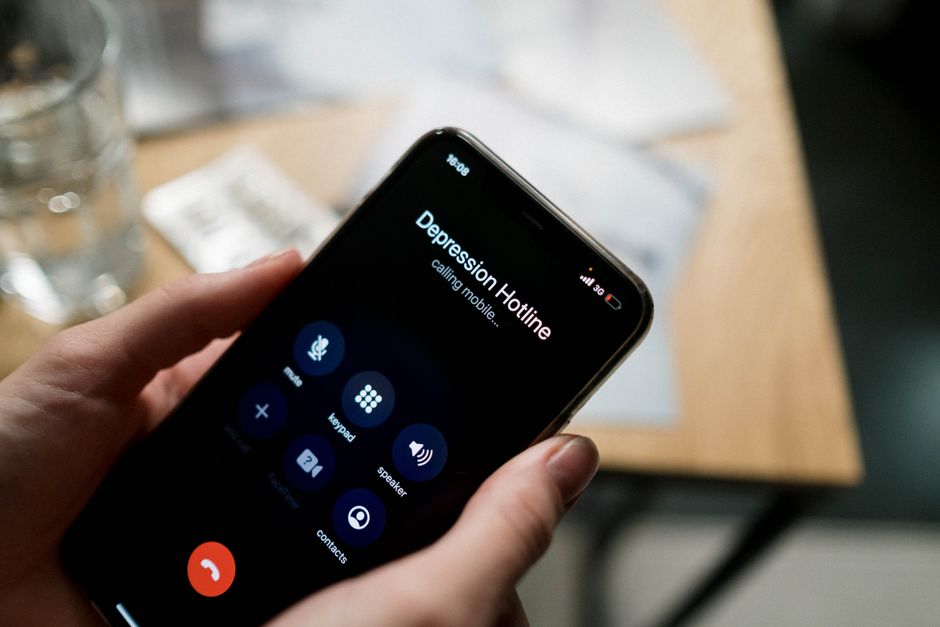
Calling in sick for anxiety is a legitimate use of a sick day. You do not need to invent a stomach bug or a fake fever. A simple, honest statement like, “I’m not feeling well today and need to take a sick day,” is enough. You are not required to disclose your specific diagnosis to your employer.
Do You Have To Tell Your Boss It Is For Anxiety?
No. In most workplaces, you only need to say you are unwell. You do not have to specify whether it is physical or mental.
Your doctor’s note, if one is required, does not need to list a diagnosis. A note that confirms you were seen and advised to rest is standard practice. Many employers accept this without further questions.
Mental health conditions are protected under the Americans with Disabilities Act (ADA) when they substantially limit a major life activity. That means your employer cannot discriminate against you for having one. It does not mean you must share that information when calling in sick.
What To Say When Calling In Sick With Anxiety
Keep your script short and professional. Here are three options that work for phone calls, emails, or messaging apps.
Option one: “I’m not feeling well today and won’t be able to come in. I’ll keep you updated on when I expect to return.”
Option two: “I need to take a sick day today due to a medical issue. I’ll check my email later this afternoon if anything is urgent.”
Option three: “I’m unwell and unable to work today. I’ll be offline for the day to recover.”
Notice what none of these say. None of them apologize excessively. None of them explain symptoms. None of them ask for permission. You are informing, not requesting.
If your workplace requires more detail, you can say, “I’m dealing with a health condition that needs rest today.” That is still honest without being specific.
What If Your Boss Asks For Details?
Some managers ask follow-up questions. You are not obligated to answer them with specifics.
A firm but polite response is: “I’d prefer to keep the details private. I’m following my doctor’s advice to rest today.”
If you have a good relationship with your manager and want to share more, that is your choice. Some people say, “I have an anxiety condition and today is a bad day.” Others prefer to keep it general. Both approaches are valid.
Be aware that the more detail you give, the more your employer knows. That information becomes part of your employment record. Once shared, you cannot take it back. Consider whether sharing serves you or only satisfies curiosity.





Can You Take A Sick Day For Anxiety?
Yes. Anxiety is a medical condition. Sick days exist for when you cannot work due to health reasons. That includes mental health.
Many employers offer separate mental health days as part of their benefits. If yours does, use that language specifically. “I’m taking a mental health day” is becoming more common and accepted in American workplaces.
If your employer requires documentation after a certain number of days, a note from a therapist or psychiatrist works the same as one from a primary care doctor. It confirms you have a medical need for time off.
Federal law does not guarantee paid sick leave. That is determined by state law and your employer’s policy. But whether the day is paid or unpaid, taking it is legally protected if your employer offers sick leave at all.
How To Prepare For The Call When You Are Anxious
Calling in sick while anxious is stressful. The anxiety of making the call can feel worse than the anxiety that prompted it. Preparation helps.
Write your script down before you call. Read it word for word if you need to. You do not have to improvise.
Send a message instead of calling if that is an option. Many workplaces accept text or email for sick notifications. Written communication removes the pressure of live conversation.
Call earlier rather than later. Notifying your employer before your shift starts is standard professional practice. It also avoids the stress of a late notification.
Have your response ready for the “are you okay?” question. A simple “I will be, I just need rest” works well. It acknowledges concern without opening a conversation you do not want to have.
What To Do After You Hang Up
Once the call is made, the work is done. Do not spend the day feeling guilty.
Use the day for recovery. That might mean sleep, gentle activity, or doing something that calms your nervous system. Rest is the point of a sick day.
Turn off work notifications. If you said you would check email, set a specific time to do so. Then close the apps until then. Constant checking defeats the purpose of the day off.
If you have a therapist, consider a brief check-in. Many therapists offer phone sessions. A 30-minute session can help you process the day and plan for returning to work.
When To Seek Professional Support
Taking a sick day for anxiety is a reasonable response to a bad period. But if you are calling in sick for anxiety regularly, that is a sign you need more support.
Consider speaking with a primary care doctor or a mental health professional if anxiety is interfering with work more than a few times a month. They can assess whether you meet criteria for an anxiety disorder and discuss treatment options.
Treatment for anxiety is effective. Cognitive behavioral therapy has strong evidence behind it. Medications such as SSRIs are widely prescribed and well studied. Many people combine both approaches.
If you have thoughts of harming yourself, that is an emergency. Call or text 988 to reach the Suicide and Crisis Lifeline. This service is free, confidential, and available 24/7.
What If You Have Already Used Your Sick Days?
If you have exhausted your paid sick leave, you still have options. You can request unpaid time off under the Family and Medical Leave Act (FMLA) if you qualify. FMLA covers serious health conditions, including mental health conditions that require ongoing treatment.
FMLA requires that you have worked for your employer for at least 12 months and that your employer has at least 50 employees. It provides up to 12 weeks of unpaid, job-protected leave per year.
You can also ask about an accommodation under the ADA. Flexible start times, remote work days, or reduced workloads are common accommodations for anxiety. These require a conversation with HR and often a doctor’s letter.
These options take time to arrange. They are not solutions for tomorrow morning. But knowing they exist can reduce the panic of “what if I run out of days?”
Frequently Asked Questions
Is anxiety a valid reason to call in sick?
Yes. Anxiety is a medical condition, and sick days cover both physical and mental health needs. You are not required to disclose your diagnosis to your employer.
Can I get in trouble for calling in sick with anxiety?
No, if you are using sick leave according to your employer’s policy. Mental health conditions are protected under the ADA, and employers cannot retaliate against you for using legitimate sick leave.
What if my boss asks what is wrong?
You can say you are unwell and prefer to keep details private. You are not legally required to share your specific diagnosis.
Should I say it is for anxiety or make up a physical excuse?
Say what feels right for you. Honesty is not required, but a simple “I’m not feeling well” is honest without being specific. Lying about a physical illness is risky if details are later questioned.
