
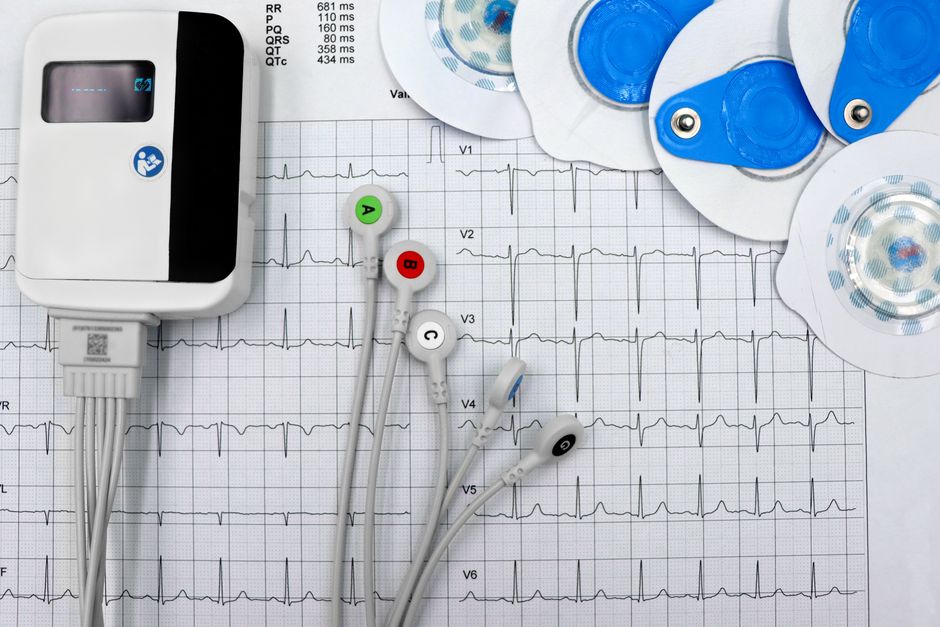
A Holter monitor is a small, battery-powered device that records your heart’s rhythm continuously for 24 to 48 hours. You wear it while you go about your normal daily routine, and it captures every heartbeat during that time. The goal is to catch irregular heart rhythms that a standard, 10-second electrocardiogram (ECG) in a doctor’s office might miss. Expect to wear a set of sticky electrode patches on your chest connected by wires to a recorder you carry on a strap or belt.
Why Would a Doctor Order a Holter Monitor?
Doctors use Holter monitors when you have symptoms that come and go, like dizziness, palpitations, or fainting. A brief ECG only shows your heart for a few seconds. If your symptoms don’t happen during those seconds, the test looks normal even if something is wrong.
The monitor works by recording every single heartbeat for the full test period. Afterward, a cardiologist reviews the recording to see if your heart rhythm matches your symptoms. This connection is what makes the test useful. If you feel a fluttering sensation and the monitor shows a normal rhythm at that exact moment, that tells your doctor your symptoms are not coming from a heart rhythm problem. This is just as valuable as finding an actual arrhythmia.
How the Monitor Works and What It Records
The system has two parts. The first is the sensor part: small adhesive patches called electrodes that stick to your chest. The second is the recorder itself, which is about the size of a deck of cards. The electrodes detect your heart’s electrical signals, and thin wires carry those signals to the recorder.
The recorder stores every heartbeat digitally. It does not shock you or deliver any electrical impulses. It only listens and records. The device runs on batteries and is designed to be worn continuously, including while you sleep. It is water-resistant but not waterproof, so you cannot shower or bathe while wearing it.
Modern monitors record a continuous stream of data. Some versions are “event monitors” that only record when you press a button, but a classic Holter monitor records everything automatically. Your doctor will tell you which type you have and how long to wear it.
What You Need to Do During the Test
Your main job is to keep a diary. Write down the time of day and what you were doing whenever you feel symptoms. These notes are essential because the cardiologist compares your symptoms against the heart rhythm recording.
Otherwise, you should live your life normally. The test only works if your heart does what it normally does. If you usually exercise, do it. If you usually sleep poorly, that will show up too. The monitor is designed for real life, not a calm and quiet day.
There are a few rules. Keep the electrodes dry. Do not use an electric blanket, which can interfere with the signal. Stay away from strong magnetic fields, metal detectors, and high-voltage areas. Your doctor will give you a full list of specific restrictions before you leave the office.





What Feels Different While Wearing It
You will feel the sticky patches on your chest. Some people find them mildly irritating by the second day. The adhesive is strong enough to stay in place through sweat and movement, so it can pull at your skin when you move. If a patch starts to peel, press it back down. If it falls off completely, call your doctor’s office for instructions.
The recorder hangs from a strap around your neck or clips to your waistband. It makes no noise. You can feel it when you move, and you might notice it when you try to sleep. Most people get used to it within a few hours.
You cannot get the electrodes wet. This means no showers, no baths, and no swimming. Sponge baths are fine. Some clinics provide alcohol wipes or special cleansing cloths for your face and underarms. Plan ahead because this is often the biggest inconvenience of the whole test.
Common Symptoms You Might Notice
Some people feel more aware of their heartbeat while wearing the monitor. This is normal. You are literally connected to a device that tracks your heart, so it is natural to notice sensations you usually ignore. This does not mean anything is wrong.
You might also feel anxious about the results. That is understandable, but try to remember the monitor is a diagnostic tool. It is not treating anything. It is gathering information so your doctor can make better decisions. Whatever the recording shows, it gives you and your doctor a clearer picture than guessing.
If you experience severe chest pain, difficulty breathing, or fainting while wearing the monitor, do not wait for the test to end. Call 911 or go to the nearest emergency room. The monitor does not replace emergency care, and you should not hesitate to seek help if you feel seriously ill.
What Happens After the Test Ends
You return to the clinic to have the monitor removed. The technician peels off the electrodes, which takes a few seconds. Then you are done. There is no recovery time and no lingering effects. You can shower immediately after removal, and any skin irritation from the adhesive usually fades within a day or two.
The data is then processed. A computer analyzes the recording first, and then a cardiologist reviews the relevant sections manually. This review process takes time. Do not expect results the same day. Most people get their results within one to two weeks, depending on the clinic’s workload and how much data was recorded.
Your doctor will schedule a follow-up appointment to discuss the findings. The results will fall into one of three broad categories: normal, abnormal but not concerning, or abnormal and requiring treatment. Many people worry that any abnormality is dangerous, but that is not true. Many irregular beats are harmless and require no treatment at all.
What To Expect When Wearing A Holter Monitor: The Bottom Line
The test is simple, painless, and low-risk. The biggest challenges are keeping the device dry and remembering to log your symptoms. The information it provides can be genuinely helpful for diagnosing or ruling out heart rhythm problems.
There are no needles, no radiation, and no medication involved. You are not being monitored for heart attacks in the sense of a hospital cardiac unit. The device is passive. It records, and that is all it does. If you have a serious event during the test, you need to call for emergency help just as you would without the monitor.
Some newer devices are available that are smaller or use fewer wires, but the principle is identical. Some clinics use patch monitors that stick to one spot on your chest with no visible wires at all. These work the same way and have the same basic rules. Ask your clinic what type they use so you know what to expect.
Can You Exercise or Work While Wearing It?
Yes, within limits. Light to moderate exercise is fine and actually encouraged because it gives the recording a picture of your heart under physical stress. Walking, jogging, cycling, and using gym equipment are all acceptable as long as you stay dry.
Heavy sweating is not a problem for the electrodes themselves, but it can loosen them over time. If you plan to exercise, press firmly on each electrode before you start. Avoid exercises that involve strong chest movements or direct pressure on the patches, like certain weightlifting positions.
For work, most office jobs and light physical jobs are completely fine. If your job involves heavy labor, high heat, or water exposure, talk to your doctor about whether the test can still work for you. In some cases, they may suggest a different type of monitor.
What Can Go Wrong During the Test
Technical problems are rare but possible. The most common issue is an electrode peeling off, which creates gaps in the recording. If this happens, press it back down. If it will not stick, call your clinic immediately.
Another issue is poor data quality from excessive movement or interference. The cardiologist may ask you to repeat the test if the recording is not clear enough to interpret. This is annoying but not dangerous. It does not mean anything is wrong with your heart.
Skin irritation from the adhesive is the most common complaint. It usually appears as redness or itching where the patches were. This resolves on its own. If the irritation is severe or lasts more than a few days, contact your doctor. No clinical evidence suggests the adhesive causes lasting skin damage.
Frequently Asked Questions
Can I sleep normally while wearing a Holter monitor?
Yes, you should sleep normally. The monitor records your heart rhythm through the night, which is important because some arrhythmias happen only during sleep.
Can I shower with a Holter monitor on?
No. The monitor and electrodes must stay completely dry, so you cannot shower, bathe, or swim while wearing it. Sponge baths are acceptable.
Will the Holter monitor hurt or shock me?
No. The monitor only records your heart’s electrical signals. It does not deliver any shocks or electrical impulses, and wearing it is painless.
How long does it take to get Holter monitor results?
Most people receive their results within one to two weeks. A cardiologist must review the full recording, which takes time.
