
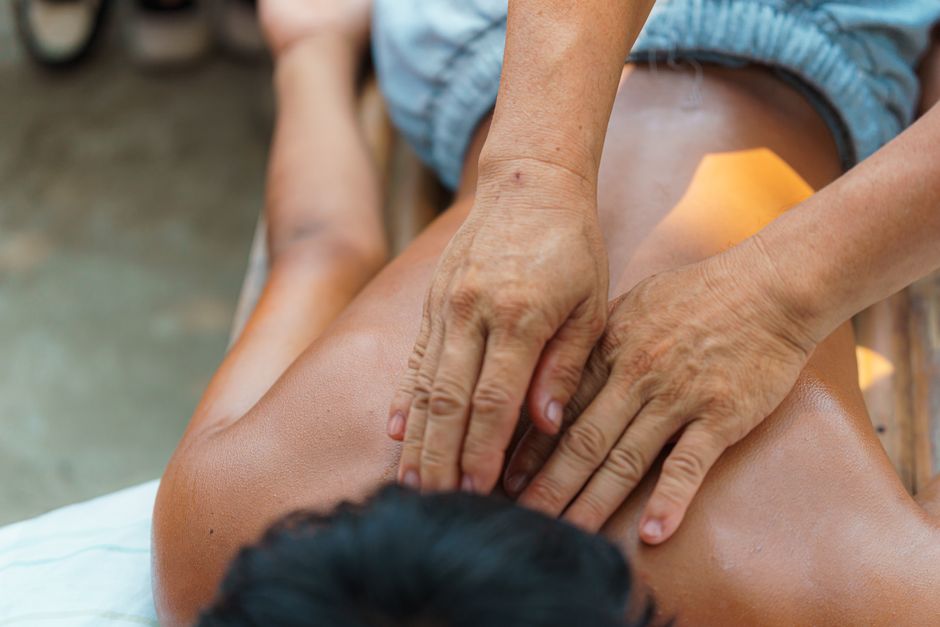
Muscle soreness after a workout or a long day of physical activity is a normal sign your muscles are repairing and getting stronger. The best way to soothe it depends entirely on when the soreness happens and what type it is. For acute injuries or pain within the first 48 hours, use ice to reduce inflammation. For general muscle soreness that sets in a day or two after exercise, heat is often more effective for relaxing tight muscles and increasing blood flow. Beyond ice and heat, light movement, proper hydration, and gentle massage can all help you recover faster.
What Is the Difference Between Acute Pain and Delayed Soreness?
Understanding the type of pain you have is the first step to treating it right. Acute pain happens during or right after an activity. This could be a pulled muscle, a strain, or a sharp twinge. The tissue is inflamed and possibly damaged. Ice is your first line of defense here.
Delayed Onset Muscle Soreness, or DOMS, is different. It usually peaks 24 to 72 hours after exercise. This is the dull ache you feel after a tough leg day or a new workout routine. DOMS is caused by tiny tears in your muscle fibers and the resulting inflammation as your body repairs them. Heat is generally better for this type of soreness because it helps relax the muscles and improve circulation without adding to the inflammation.
The American College of Sports Medicine notes that DOMS is a normal response to unfamiliar or intense exercise. It is not a sign of injury. Knowing which one you have keeps you from using the wrong treatment.
How To Soothe Muscle Soreness Ice Heat And More: When Should You Use Ice?
Ice works by constricting blood vessels. This reduces blood flow to the area, which helps control swelling and numbs the pain. Research published in the Journal of Athletic Training shows that applying ice within the first 48 hours of an acute injury can significantly reduce recovery time.
Use ice for sharp pain, swelling, or any injury that happened suddenly. Apply it for 15 to 20 minutes at a time. Never put ice directly on your skin — wrap it in a thin towel or use an ice pack with a cover. You can repeat this every two to three hours.
Do not use ice for more than 20 minutes at a time. Longer exposure can damage your skin or nerves. Also, avoid ice if you have circulation problems or numbness in the area.
Ice is not a cure-all. It manages symptoms but does not speed up the healing of muscle fibers. For DOMS, ice may provide temporary relief but is not the most effective long-term solution.
When Is Heat the Better Choice for Muscle Soreness?
Heat opens blood vessels. This increases blood flow, which delivers oxygen and nutrients to your muscles. It also helps relax tight muscle fibers and reduces stiffness. Heat is ideal for chronic muscle tension or DOMS that has been present for more than 48 hours.
Apply heat for 15 to 20 minutes using a heating pad, a warm towel, or a warm bath. Moist heat, like a warm bath, can be more effective for large muscle groups like your back or legs. Dry heat from a heating pad works well for smaller areas like your neck or shoulders.
Do not use heat on an acute injury or any area that is still swollen. Heat can increase inflammation and make things worse. Also, avoid falling asleep with a heating pad on your skin. This can cause burns.
Some people report that alternating between heat and ice works for them. This is called contrast therapy. The idea is that the heat brings blood in and the ice pushes it out, creating a pumping effect. Strong evidence for this is limited, but some athletes find it helpful.




What Does the Research Say About Massage and Foam Rolling?
Massage is one of the most studied recovery methods for muscle soreness. A 2018 review in Frontiers in Physiology found that massage can reduce DOMS by up to 30% compared to no treatment. The effect is strongest when the massage is done within two hours after exercise.
Foam rolling is a form of self-massage. Research shows it can temporarily improve range of motion and reduce perceived soreness. The effect is short-lived, often lasting only 30 to 60 minutes. But it can make your next workout feel easier.
Here is what the evidence says about different techniques:
- Deep tissue massage: Effective for reducing soreness but can be painful during the session. Best done by a professional.
- Foam rolling: Good for a quick release of muscle tightness. Do it for 30 to 60 seconds per muscle group.
- Trigger point therapy: Some people report relief from specific tender spots, but strong evidence is limited.
Do not massage or roll over a bone, a joint, or an area that is acutely injured. If the pain increases during the massage, stop. You should not feel sharp pain during a good massage.
How Do Movement and Hydration Affect Muscle Recovery?
Complete rest is not always the best answer. Light movement, often called active recovery, can help reduce soreness. Walking, swimming, or gentle cycling increases blood flow without stressing the muscles further. A study in the Journal of Strength and Conditioning Research found that active recovery reduced DOMS more than passive rest in the 48 hours following exercise.
Hydration is another key factor. Dehydrated muscles are more prone to cramping and soreness. Water helps transport nutrients to your muscles and remove waste products like lactic acid. While lactic acid is not the main cause of DOMS, staying hydrated supports overall recovery.
Contrast this with the common myth that stretching prevents soreness. Research has consistently shown that static stretching before or after exercise does not reduce DOMS. It can improve flexibility but will not make you less sore the next day.
Sleep is also critical. Your body repairs muscle tissue during deep sleep. If you are not getting seven to nine hours of quality sleep, your recovery will be slower regardless of what else you do.
| Recovery Method | Best For | Evidence Level | Time to Apply |
|---|---|---|---|
| Ice | Acute injury, swelling, sharp pain | Strong | 15-20 min, first 48 hours |
| Heat | DOMS, chronic tightness, stiffness | Strong | 15-20 min, after 48 hours |
| Massage | DOMS, general muscle tension | Strong | Within 2 hours post-exercise |
| Foam rolling | Temporary relief, range of motion | Moderate | 30-60 sec per muscle group |
| Active recovery | DOMS, general soreness | Moderate | 20-30 min light activity |
| Stretching | Flexibility, not soreness | Weak | Any time, no effect on DOMS |
What Common Mistakes Should You Avoid When Treating Sore Muscles?
One of the biggest mistakes is using ice when you should use heat, or the other way around. Applying heat to a fresh injury can increase swelling. Applying ice to chronic stiffness will not relax the muscle. Know your timeline.
Another mistake is over-treating. Using ice or heat for more than 20 minutes at a time can cause tissue damage. Taking anti-inflammatory drugs like ibuprofen regularly for DOMS is also not recommended. A 2017 review in the American Journal of Sports Medicine found that NSAIDs can actually slow down muscle repair over time. They are fine for occasional acute pain but should not be your first choice for routine soreness.
Avoid the “no pain, no gain” trap when it comes to recovery. Pushing through muscle soreness with high-intensity exercise can lead to injury. Listen to your body. If your muscles are still sore, stick with light activity or rest.
Finally, do not ignore pain that does not go away. Normal DOMS should fade within three to five days. If your pain lasts longer than a week, or if it is sharp and localized, see a doctor. It could be a strain or tear that needs professional attention.
Frequently Asked Questions
Should I use ice or heat for muscle soreness after a workout?
Use ice for the first 48 hours if there is swelling or sharp pain. Use heat after 48 hours for general muscle stiffness and relaxation.
How long should I apply ice or heat to sore muscles?
Apply ice or heat for 15 to 20 minutes at a time. Never exceed 20 minutes to avoid skin or tissue damage.
Does stretching help with muscle soreness?
Stretching does not reduce muscle soreness. It improves flexibility but has no effect on DOMS according to research.
Can I exercise with muscle soreness?
Light exercise like walking or swimming can help reduce soreness. Avoid high-intensity workouts until the soreness fades.
