
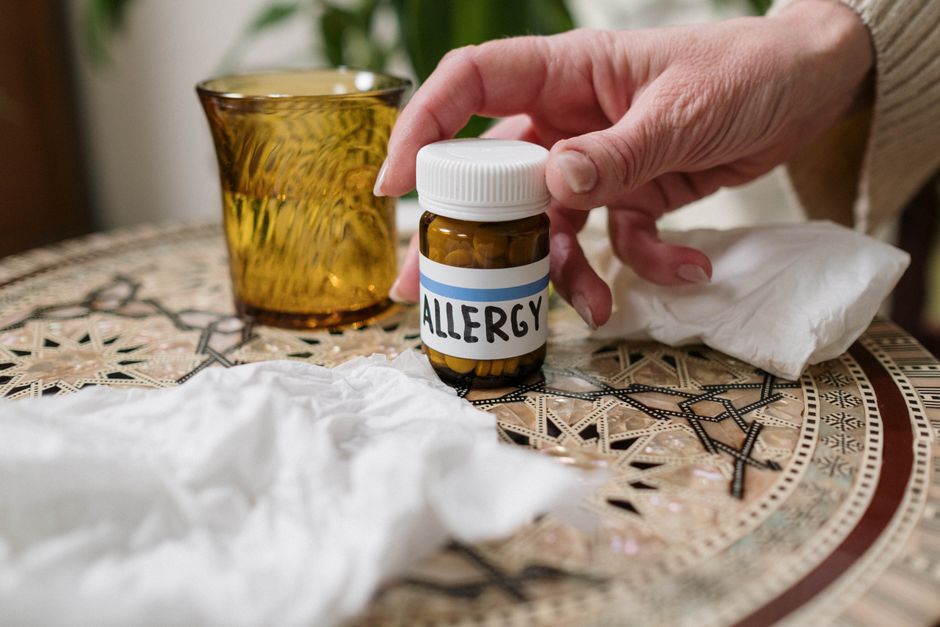
Allergy testing is a straightforward process that identifies what substances trigger your allergic reactions. Most people get results the same day, and the entire appointment typically takes under an hour. The two main types are skin tests, which check your skin’s reaction to small amounts of allergens, and blood tests, which measure allergy-related antibodies in your blood sample. Neither test is painful, though skin testing involves a few small pricks or scratches.
Why Would You Need Allergy Testing?
Allergy testing helps find the exact cause of symptoms like sneezing, itchy eyes, hives, or digestive problems. Without testing, you might spend months avoiding foods or environmental triggers that are not actually causing your issues. Testing gives you a clear list of what to avoid and what is safe.
Your doctor may recommend allergy testing if your symptoms are persistent, severe, or interfering with daily life. Common reasons include seasonal allergies that last for weeks, reactions after eating specific foods, skin rashes with no clear cause, or asthma that flares up in certain environments.
Testing is especially useful when symptoms do not respond to over-the-counter antihistamines or when you need to know whether a reaction could become dangerous. Knowing your specific triggers allows you to make targeted changes rather than guessing.
What Are the Main Types of Allergy Tests?
There are three primary testing methods used in clinical practice. Each has its own strengths and limitations.
Skin Prick Test
The skin prick test is the most common and fastest method. A small drop of each suspected allergen is placed on your forearm or back. A tiny lancet then pricks through the drop into the top layer of skin. You wait about 15 minutes for results.
A raised, red bump called a wheal indicates a positive reaction. The size of the bump helps your doctor judge how sensitive you are. This test can check dozens of allergens at once, including pollens, pet dander, dust mites, and certain foods.
Intradermal Skin Test
An intradermal test involves injecting a small amount of allergen just beneath the skin surface with a thin needle. This test is more sensitive than a skin prick test and is used when prick testing results are unclear.
It is commonly used for penicillin allergy and insect venom allergy. The procedure takes about the same time as a prick test, and results appear within 15 to 20 minutes.
Blood Test
A blood test, often called specific IgE testing, measures the level of allergy antibodies in your blood. A technician draws a blood sample from your arm, and a laboratory analyzes it for reactions to specific allergens.
Blood tests are useful when skin testing is not possible, such as when you have severe eczema, take medications that interfere with skin tests, or have a history of dangerous allergic reactions. Results typically take several days to come back from the lab.
What Happens During a Skin Prick Test Appointment?
You will sit comfortably while a nurse or allergist cleans a small area of your forearm or back. The provider then applies drops of allergen extracts in a grid pattern and pricks each drop with a separate lancet. Each lancet is new and sterile, so there is no risk of cross-contamination.
The pricks feel like light scratches or mosquito bites. Most people describe the sensation as mildly uncomfortable but not painful. Children tolerate it well when a parent stays nearby and distracts them.
After 15 minutes, the provider examines your skin for reactions. Positive reactions appear as raised, itchy bumps similar to mosquito bites. The provider measures each bump and records the results. You may receive a written list of your triggers before you leave.
Mild itching at the test site is normal and usually fades within an hour. You can take an antihistamine after testing is complete if the itching bothers you, but not before the test because it can suppress reactions and produce false negatives.





What Happens During a Blood Test Appointment?
A blood test appointment is simpler than skin testing. A phlebotomist or nurse draws blood from a vein in your arm, usually at the bend of your elbow. The process takes about five minutes.
You may feel a brief sting when the needle enters. After the draw, pressure is applied to the site to stop bleeding, and a small bandage covers the area. You can resume normal activities immediately.
The blood sample goes to a laboratory where technicians test it against a panel of allergens. Your doctor reviews the results and contacts you with an explanation. This usually takes three to seven days depending on the lab.
How Should You Prepare for Allergy Testing?
Preparation depends on the type of test you are having. For skin tests, the most important step is stopping antihistamines before your appointment. These medications block the allergic response and can cause false negative results.
Common antihistamines to stop include cetirizine, loratadine, fexofenadine, and diphenhydramine. Your doctor will tell you exactly how long to stop each one, but the general window is three to seven days. Some older antihistamines require a longer washout period.
Other medications that can interfere with skin testing include certain antidepressants, heartburn medications, and steroids. Review your full medication list with your doctor before scheduling. Do not stop any prescription medication without your doctor’s approval.
For blood tests, no special preparation is needed. You can eat, drink, and take your regular medications unless your doctor says otherwise. Wear a short-sleeved shirt or loose sleeves that roll up easily.
What Do Allergy Test Results Mean?
A positive skin test means your body produced allergy antibodies against that specific substance. The size of the bump correlates with sensitivity but does not predict the severity of a reaction. A large bump does not necessarily mean a dangerous reaction, and a small bump does not guarantee a mild one.
A negative skin test means no allergy antibodies were detected to that substance. Negative results are generally reliable for ruling out allergies, though false negatives can occur if you took antihistamines too recently or if the allergen extract was weak.
Blood test results are reported as numerical values. Higher numbers indicate more antibodies, but again, the number does not directly predict symptom severity. Your doctor interprets results in the context of your symptoms and medical history.
Positive results do not always mean you will have symptoms when exposed. Some people have positive tests but no allergic reactions. This is called sensitization without clinical allergy. Your doctor uses your symptom history to determine which positive results matter for you.
Are There Risks or Side Effects?
Allergy testing is very safe when performed in a medical setting. The most common side effect is temporary itching and redness at the test site. This resolves on its own within a few hours.
Rare but serious reactions can occur, including anaphylaxis. This is why skin testing is always done in a clinic with emergency equipment and staff trained to handle reactions. The risk is extremely low, but it exists.
People with a history of severe allergic reactions may be tested with extra caution. Your doctor may start with blood testing instead of skin testing to reduce risk. Some clinics require you to wait 30 minutes after testing before leaving to ensure no delayed reaction occurs.
Blood testing carries the same minimal risks as any routine blood draw: slight bruising, soreness, or rarely, infection at the needle site.
What Happens After You Get Your Results?
Your doctor will review your results with you and explain what each positive finding means. You will receive a personalized plan that includes which allergens to avoid and how to manage symptoms if you cannot avoid exposure.
For environmental allergies, the plan often includes practical strategies like using HEPA filters, washing bedding in hot water, or keeping windows closed during high pollen seasons. For food allergies, the plan focuses on reading labels carefully and knowing how to respond to accidental exposure.
Some people are candidates for immunotherapy, commonly called allergy shots. This treatment gradually exposes your immune system to increasing amounts of the allergen to reduce sensitivity over time. It is effective for many environmental allergies but requires a long-term commitment.
Your doctor may also prescribe medications such as antihistamines, nasal sprays, or inhalers to control symptoms. These are used alongside avoidance strategies, not instead of them.
Can You Test for Food Allergies at Home?
Home allergy test kits are widely sold online, but they are not recommended by allergists. These kits typically involve collecting a small blood sample and mailing it to a lab. Results are often difficult to interpret without professional guidance.
More importantly, home tests can produce misleading results. They may report positive reactions to foods that do not actually cause symptoms, leading to unnecessary dietary restrictions. They can also miss true allergies, giving false reassurance about a food that could cause a serious reaction.
There is no reliable at-home method for diagnosing food allergies. In-office testing combined with a detailed medical history remains the standard of care. If you suspect a food allergy, an allergist can perform testing and interpret the results accurately.
How Much Does Allergy Testing Cost?
Costs vary widely depending on your insurance, the type of test, and the number of allergens tested. Skin prick testing for a standard panel of environmental allergens typically costs less than blood testing. Blood tests are often more expensive because they require laboratory analysis.
Most insurance plans cover allergy testing when a doctor deems it medically necessary. Contact your insurance provider before scheduling to confirm coverage and understand any out-of-pocket costs. Many clinics offer payment plans or self-pay rates for those without insurance.
Frequently Asked Questions
Does allergy testing hurt?
Skin prick tests feel like light scratches and are mildly uncomfortable but not painful. Blood tests involve a brief sting from the needle, similar to any routine blood draw.
How long does allergy testing take?
Skin testing takes about 30 to 40 minutes total, including the 15-minute wait for results. Blood testing takes about five minutes for the draw, but results take several days to return from the lab.
Can I take antihistamines before allergy testing?
No, antihistamines must be stopped three to seven days before skin testing because they can block reactions and cause false negative results. Blood testing does not require stopping antihistamines.
Will I find out my results the same day?
Skin test results are available immediately after the 15-minute wait. Blood test results take three to seven days because the sample must be processed in a laboratory.
