
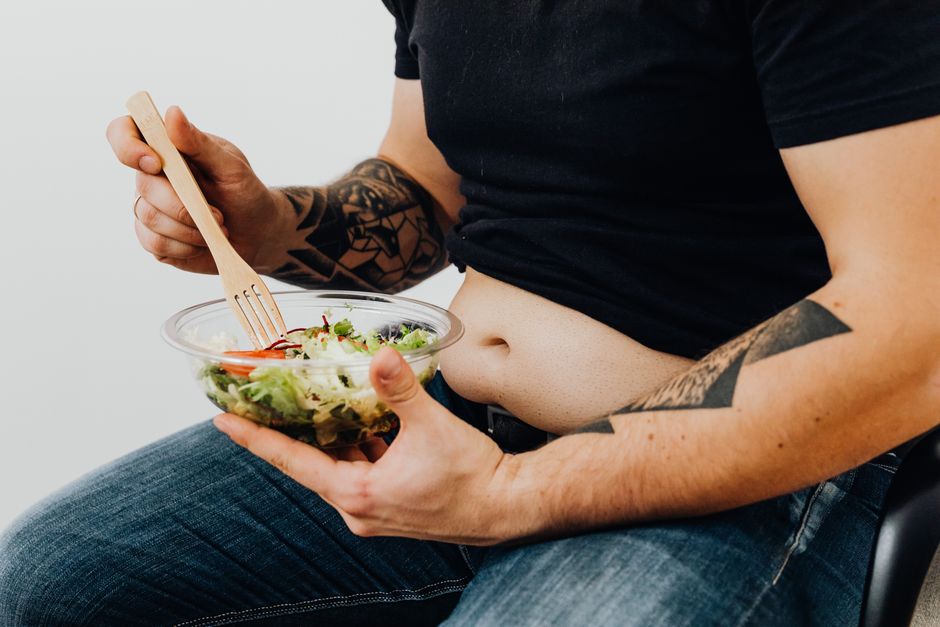
Eating out while trying to lose weight does not mean you have to order a plain salad and sip water. You can enjoy restaurant meals and still stay in a calorie deficit. The key is knowing what to look for on a menu and how to ask for simple modifications. Focus on lean proteins, vegetables, and foods that are grilled, baked, or steamed rather than fried or coated in heavy sauces. By making a few strategic choices, you can eat out regularly without derailing your progress.
What To Eat Out When On A Diet To Lose Weight: The Core Rules
The basic formula for a weight-loss-friendly restaurant meal is simple. You want a palm-sized portion of lean protein, a generous serving of non-starchy vegetables, and a small portion of smart carbohydrates like beans, quinoa, or a baked potato. Protein keeps you full. Vegetables add volume and fiber for very few calories. This combination stabilizes blood sugar and prevents the post-meal crash that leads to snacking later.
Before you even look at the menu, decide how you will handle the bread basket or chips. If they are on the table, you will likely eat them. Ask the server to skip the bread or chips entirely. This single move can save you anywhere from 200 to 500 calories before your main course even arrives.
How To Order At A Steakhouse Or American Restaurant
Steakhouses and American grills are easier to navigate than most people think. Lean cuts like sirloin, filet mignon, or flank steak are high in protein and relatively low in fat. A typical 6-ounce serving of sirloin contains roughly 300 to 350 calories before any butter or sauce is added. Ask for your steak cooked without additional butter and request sauces on the side. A tablespoon of béarnaise or peppercorn sauce can add 100 to 150 calories, so controlling the portion matters.
For sides, choose steamed broccoli, grilled asparagus, or a side salad with dressing on the side. Skip the loaded baked potato, mac and cheese, and onion rings. If you want a potato, order a plain baked potato and add only salt, pepper, and a small pat of butter. One tablespoon of butter adds about 100 calories, so use it sparingly.
Chicken dishes are also safe choices if you ask for them grilled rather than fried. Many restaurants offer a grilled chicken breast that can be substituted into any dish. Ask for it plain, with no glaze or marinade. A sweet barbecue glaze can add 15 to 20 grams of sugar per serving.
Smart Choices At Mexican Restaurants
Mexican food can be excellent for weight loss if you avoid the fried shells and heavy cheese. The core ingredients — grilled chicken, steak, shrimp, beans, rice, and fresh salsa — are all reasonable. The problems start with chips, queso, sour cream, and deep-fried items like chimichangas.
Start by skipping the chips entirely or limiting yourself to a small handful. Ask for a side of fresh pico de gallo instead of queso or guacamole. Guacamole is healthy but calorie-dense. Two tablespoons contain about 50 calories, and most restaurant servings are four to six tablespoons.
For your main dish, choose fajitas with chicken or shrimp. Fajitas come with grilled peppers and onions, which add fiber and volume. Use the tortillas sparingly — one flour tortilla adds about 150 calories. You can also ask for corn tortillas, which are smaller and typically around 60 calories each. Skip the refried beans, which are often cooked in lard, and choose black beans instead. A half-cup of black beans contains about 115 calories and 8 grams of fiber.



What To Order At Italian Restaurants
Italian restaurants present a specific challenge because pasta and bread are central to the menu. You can still eat well here. Start by skipping the garlic bread and asking for a side salad with olive oil and vinegar. The salad will take the edge off your hunger before the main course arrives.
For your entrée, look for grilled fish, chicken marsala, or shrimp scampi. Ask if the kitchen can prepare the dish with less oil. Many Italian kitchens cook with generous amounts of olive oil, which is healthy but calorie-dense. One tablespoon of olive oil contains about 120 calories. A restaurant dish can easily contain three to four tablespoons.
If you genuinely want pasta, order a tomato-based sauce rather than a cream sauce. Marinara is significantly lower in calories than alfredo. Ask for a half portion of pasta and an extra side of vegetables. A typical restaurant pasta portion is two to three cups cooked, which alone can exceed 500 calories before sauce. Cutting that portion in half makes a meaningful difference.
How To Handle Fast Food And Quick Service Restaurants
Fast food is not automatically off-limits. Many chains now provide detailed nutrition information, and several offer grilled chicken sandwiches, side salads, and fruit cups. The key is avoiding the value meals, which bundle in fries and sugary drinks that add hundreds of calories.
Order a grilled chicken sandwich without the mayonnaise. A standard grilled chicken sandwich without sauce contains roughly 350 to 400 calories. Swap the fries for a side salad or apple slices. Choose water, unsweetened iced tea, or diet soda instead of regular soda. A large regular soda contains 200 to 300 calories, all from sugar.
Burrito bowls at Mexican fast-casual chains are another solid option. Choose chicken or steak, black beans, fajita vegetables, lettuce, and salsa. Skip the rice or ask for half a portion. Skip the sour cream, cheese, and guacamole, or choose only one of these toppings. A burrito bowl built this way can come in around 500 to 600 calories and keep you full for hours.
Strategies For Asian And Sushi Restaurants
Asian restaurants vary widely depending on the cuisine. Japanese sushi and sashimi are excellent choices because they are low in calories and high in protein. A typical six-piece roll of tuna or salmon contains roughly 200 to 250 calories. The dangers are tempura rolls, which are deep-fried, and sauces like spicy mayo, which add significant calories. One tablespoon of spicy mayo contains about 100 calories, and restaurants often use two to three tablespoons per roll.
Order sashimi or simple rolls without sauce. Ask for low-sodium soy sauce, and use it sparingly. Two tablespoons of regular soy sauce contain about 1,000 milligrams of sodium, which is nearly half the daily recommended limit for most adults.
For Chinese food, choose steamed dishes rather than stir-fried. Many restaurants will steam vegetables and chicken or shrimp on request. Ask for sauce on the side so you control the amount. A single serving of General Tso’s chicken can exceed 1,300 calories because the chicken is battered and deep-fried before being coated in a sweet sauce.
Salad Bars And Build-Your-Own Options
Salad bars seem like the safest choice, but they can be a trap. The vegetables are genuinely low in calories. The problems are the add-ons. Croutons, candied nuts, dried fruit, cheese, pasta salad, and creamy dressings can turn a 200-calorie salad into an 800-calorie meal.
Build your salad with leafy greens, raw vegetables, grilled chicken or hard-boiled eggs, and a small portion of beans or nuts. Measure your dressing carefully. Most salad bar ladles hold two to three tablespoons, which is two to three servings. A reasonable portion of dressing is one to two tablespoons, which contains 80 to 150 calories depending on the type. Vinaigrettes are generally lower in calories than creamy dressings, but portion size matters more than the type.
Questions To Ask Your Server
You do not need to memorize every menu. You need a short list of questions that work at almost any restaurant. Ask if the fish or chicken can be grilled without butter or oil. Ask if sauces and dressings can be served on the side. Ask if vegetables can be substituted for fries or potatoes. Ask if a half portion is available.
These questions are normal. Servers hear them constantly. Most kitchens are willing to accommodate reasonable requests. The worst that happens is they say no, and you make a different choice from the menu.
What About Alcohol?
Alcohol adds calories quickly, and it also lowers inhibition, which often leads to ordering higher-calorie foods. A standard glass of wine contains about 120 to 150 calories. A cocktail with juice and syrup can contain 300 to 500 calories. If you choose to drink, stick to one drink and alternate with water. Skip the sugary cocktails entirely.
Frequently Asked Questions
What is the safest thing to order at a restaurant when dieting?
Grilled or baked lean protein with steamed vegetables is the safest choice at almost any restaurant. Ask for sauces and dressings on the side so you control how much you eat.
Can I eat fast food and still lose weight?
Yes, if you choose grilled items instead of fried and skip the sugary drinks and fries. A grilled chicken sandwich without sauce and a side salad is a reasonable fast-food meal.
How do I handle the bread basket or chips before a meal?
Ask the server to skip the bread or chips entirely. If they are on the table, you will likely eat them, and they add 200 to 500 calories before your meal arrives.
Is salad always the best choice when eating out?
No, salads can be high in calories if they include fried toppings, cheese, and creamy dressings. A salad with grilled protein and dressing on the side is a good choice, but so is a grilled chicken breast with vegetables.
