
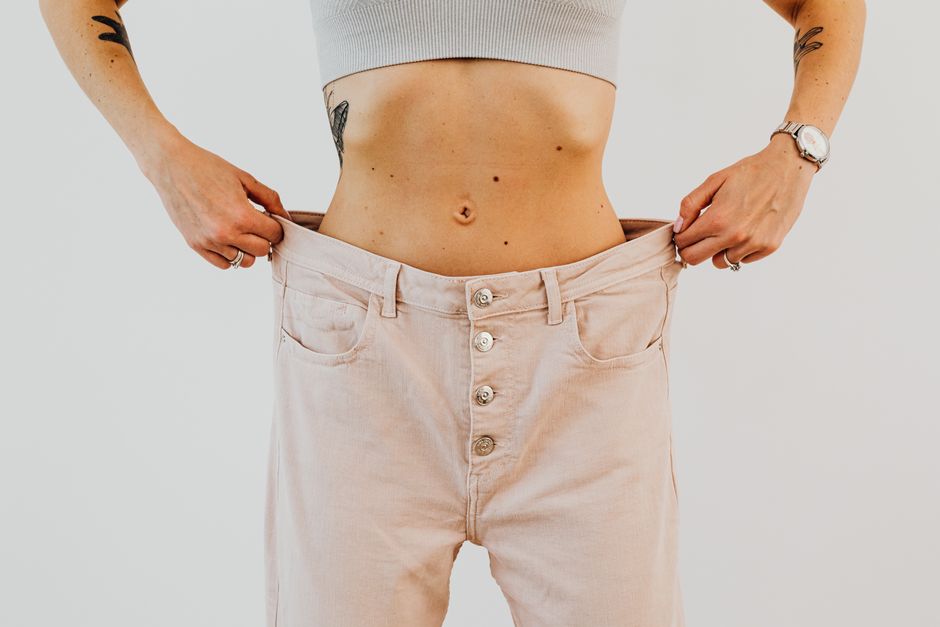
You step off the treadmill, dripping, and the scale says you’re two pounds lighter than when you started. It feels like proof. But you haven’t lost two pounds of fat. You’ve lost two pounds of water, and it comes back the moment you drink. Sweating is your body’s cooling system, not a fat-burning switch. The weight you lose during a workout is water weight, and it returns once you rehydrate.
Fat loss happens through a different process entirely — one that has nothing to do with how wet your shirt is. Understanding the difference matters, because chasing sweat as a sign of progress can lead to some genuinely unhelpful habits.
Do You Lose Weight When You Sweat?
No — not in the sense of fat loss. What you lose when you sweat is water, along with small amounts of sodium and other electrolytes. The number on the scale drops temporarily, but that drop reflects fluid leaving your body, not fat leaving your body.
Here’s the part people miss: sweat is mostly water, and water has weight. A heavy sweat session can produce a noticeable drop on the scale within an hour. Drink a bottle of water and most of it comes right back. This is why athletes who weigh themselves before and after training are told to replace roughly what they lost in fluid — the measurement is about hydration, not body composition.
Body fat is stored energy. To lose it, your body has to burn more energy than it takes in over time. Sweat doesn’t burn energy. It’s the exhaust from the cooling system that runs while your body does other work. The work is what matters. The sweat is a side effect.
Why Does Sweating Feel Like It’s Working?
Because it’s visible, immediate, and uncomfortable — three things our brains read as effort. A hard workout makes you sweat, and a hard workout can contribute to fat loss. The two happen together so often that it’s easy to mistake one for the cause of the other.
But the correlation breaks down quickly. Some people sweat heavily during a gentle walk in hot weather. Others barely sweat during an intense interval session in a cool gym. If sweat were the mechanism of fat loss, the person drenched on a summer stroll would be losing more fat than the person doing sprints indoors. That’s not how it works.
There’s also a psychological pull here. Sweating gives you something to point at. Fat loss is slow and largely invisible day to day. Sweat is instant feedback. That’s satisfying, but it’s feedback about temperature regulation, not about the energy balance that determines whether fat comes off.
What Actually Happens to Body Fat When You Exercise?
Fat is broken down and used as fuel, and most of what’s left exits your body as carbon dioxide through your breath. This is well established in metabolic research. The carbon atoms in fat combine with oxygen and leave as CO₂. The rest leaves as water. Sweat is a minor player at best.
Here’s a clarification that surprises a lot of people: when you “burn” fat, you’re mostly exhaling it. The lungs are the main exit route for the mass of fat you lose. That’s not a metaphor — it’s the biochemistry of how stored fat gets converted to usable energy and its byproducts.
So what determines whether you lose fat? The energy balance over time. Your body needs to be in a calorie deficit — burning more than you take in — for stored fat to be used as fuel. Exercise contributes to that deficit. So does the food you eat. Neither of those requires you to sweat.




Can You Lose Water Weight From Sweating and Keep It Off?
No. Water weight lost through sweat is temporary by definition. Your body regulates fluid balance tightly, and it will pull water from wherever it can to restore normal levels. Drink fluids and the scale goes back up. This is normal and healthy.
Some people try to sustain a lower scale weight by limiting fluids around exercise. This is a bad idea. Dehydration reduces blood volume, which makes your heart work harder and impairs your body’s ability to cool itself. It can affect performance, concentration, and in serious cases, become a medical emergency. The weight “lost” this way is a hydration deficit, not progress.
Wrestlers and other weight-class athletes sometimes use dehydration to make weight for a competition. It’s a recognized practice in those sports, and it’s also recognized as risky. Rehydration afterward restores the weight. The tactic doesn’t produce lasting fat loss and carries real health risks when pushed too far.
Does Sweating More Mean You’re Burning More Calories?
Not reliably. Sweat rate depends on many things besides effort — the temperature and humidity around you, what you’re wearing, your fitness level, your genetics, and how acclimated you are to heat. People who are fit and heat-acclimated often start sweating sooner and more heavily during exercise. That’s an efficient cooling system, not a higher calorie burn.
Calorie burn depends on the work your muscles do — how hard, how long, and how much body mass you’re moving. A person sweating heavily in a hot yoga class may burn fewer calories than a person barely sweating through a brisk outdoor run in cold weather. The thermometer and the sweat on your skin don’t tell you what your muscles spent.
This is why “sweat suits” and sauna-based weight loss products are misleading. Wrapping yourself to sweat more doesn’t increase the work your body does. It increases fluid loss and raises your risk of overheating. No clinical evidence supports the idea that sweating more, by itself, leads to more fat loss.
What About Saunas, Hot Yoga, and Sweat-Focused Workouts?
Saunas and hot environments raise your body temperature and make you sweat, but the calorie cost of sitting in heat is small and not a meaningful route to fat loss. Hot yoga involves real physical work, so it burns calories through movement — but the heat itself isn’t the fat-burning ingredient. A room-temperature version of the same class would burn calories too.
Heat exposure can carry risks, especially for people with heart conditions, pregnant women, older adults, and anyone taking medications that affect sweating or blood pressure. If you’re in one of those groups, check with a clinician before using saunas or exercising in high heat.
The useful takeaway: judge a workout by what your muscles did, not by how soaked you got. If a hot class motivates you to move more, that’s a legitimate benefit. Just don’t credit the sweat for the results.
How Do You Actually Track Fat Loss?
Use measurements that reflect what you’re trying to change. The scale alone can mislead because it captures water, food in your digestive tract, and other daily fluctuations alongside fat. That’s why weight can swing by a few pounds from one day to the next without any change in body fat.
More reliable signals include:
- Weight trends over weeks, not days — look at the direction, not single readings
- Waist or hip measurements taken the same way each time
- How clothing fits
- Changes in strength or endurance, which reflect fitness independent of the scale
None of these are perfect, but together they give a clearer picture than a post-workout weigh-in. If you want to use the scale after exercise, understand that any drop is fluid and will reverse with rehydration.
What Should You Do About Fluid Loss During Exercise?
Replace it. Drinking water during and after exercise supports normal body function and performance. For most moderate exercise sessions, water is sufficient. For long or intense sessions in heat, beverages with electrolytes can help replace sodium lost in sweat, though the need depends on duration, conditions, and the individual.
There’s no single fluid target that fits everyone, because sweat rates vary widely. A practical approach many clinicians and sports organizations describe is to notice thirst, monitor urine color (pale yellow generally suggests adequate hydration), and weigh yourself before and after long sessions to estimate fluid loss. If you’re exercising intensely in heat for extended periods, guidance from a sports medicine professional can help you replace fluids and electrolytes appropriately.
What you should not do is restrict fluids to keep the scale down. That’s trading a real health risk for a number that doesn’t mean what it appears to mean.
Frequently Asked Questions
Do you lose weight when you sweat?
You lose water weight, not fat. The scale may drop temporarily, but that loss reverses once you drink fluids.
How much water weight can you lose from sweating?
It varies with heat, effort, clothing, and individual sweat rate, and can be substantial during long or intense sessions. Any drop is fluid loss that needs to be replaced, not fat loss.
Does sweating more burn more calories?
No. Sweat rate reflects temperature regulation, not calorie burn, and depends on heat, humidity, fitness, and genetics. Calorie burn depends on the work your muscles do.
Why does the scale drop after a workout?
Mostly because you’ve lost fluid through sweat and breath. That weight returns after you eat and drink, which is normal and expected.
