

When you have COVID-19, your body is working hard to fight off the virus, which means your nutritional needs change. The most effective approach is to focus on eating enough calories, protein, and fluids to support your immune system and prevent muscle loss, even if your appetite is low. Prioritize easy-to-digest foods like broths, soups, scrambled eggs, yogurt, and soft fruits, and aim to sip fluids constantly to stay hydrated.
Why Does Nutrition Matter During a COVID Infection?
Your immune system requires a significant amount of energy to produce the cells and antibodies that fight the virus. When you are sick, your body’s resting metabolic rate increases, meaning you burn more calories just lying still. If you do not replace those calories, your body will start breaking down muscle tissue for energy.
This muscle breakdown is a real concern, especially for older adults. Maintaining your protein intake is one of the most important things you can do to preserve muscle mass and support a faster recovery. The goal is not to diet or restrict food during an active infection; it is to provide your body with the fuel it needs to do its job.
What To Eat If You Have Covid: A Nutrition Guide for Hydration
Fever, sweating, and reduced fluid intake can quickly lead to dehydration, which makes symptoms like headaches and fatigue worse. Water is essential, but when you are sick, you also lose electrolytes like sodium and potassium that plain water does not replace.
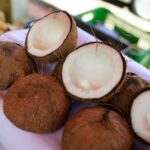
Oral rehydration solutions are the most effective way to replace fluids and electrolytes. You can find these in pharmacies, or you can make a simple version at home by mixing six level teaspoons of sugar and half a teaspoon of salt into one liter of clean drinking water. If you do not have those ingredients, other good options include clear broths, coconut water, and sports drinks, though these often have more sugar and fewer electrolytes than a proper rehydration solution.
If you are vomiting or have diarrhea, your fluid losses are much higher. Sip small amounts frequently rather than drinking large glasses at once. Ice chips or frozen fruit popsicles can also help you get fluids in when drinking feels difficult.
Which Foods Help With Fatigue and Muscle Loss?
Fatigue is one of the most common and persistent symptoms of COVID. While no single food can cure exhaustion, a steady supply of complex carbohydrates can help maintain your energy levels. Oatmeal, whole-grain toast, brown rice, and boiled potatoes provide a slow release of energy without the crash that comes from sugary snacks.
Protein is your priority for preserving muscle. Aim to include a source of protein at every meal and snack. Good options include eggs, Greek yogurt, cottage cheese, chicken, fish, tofu, and beans. If chewing is difficult or you have no appetite, protein shakes or meal replacement drinks are a practical alternative. They are easier to consume and can deliver a significant amount of protein in a small volume.
Research consistently shows that adequate protein intake during illness helps reduce the severity of muscle wasting. Do not worry about getting the “perfect” balance of nutrients right now. Focus on getting enough calories and protein in any form you can tolerate.


Are There Specific Foods That Fight the Virus?
No food can cure or directly kill the COVID-19 virus. Many online sources promote “immune-boosting” foods like garlic, ginger, turmeric, or elderberry. While these foods contain compounds that have anti-inflammatory properties in laboratory studies, no clinical evidence confirms that eating them in normal amounts will shorten your illness or reduce your viral load.
That said, fruits and vegetables are still valuable during recovery. They provide vitamins and antioxidants that support overall immune function. Soft fruits like bananas, applesauce, and berries are easy to eat and gentle on the stomach. Cooked vegetables like carrots, spinach, and zucchini are easier to digest than raw ones.
Zinc and vitamin D have received significant attention in relation to COVID. Some studies suggest that zinc lozenges may shorten the duration of the common cold, but evidence specific to COVID is limited. Vitamin D deficiency is associated with worse outcomes in some studies, but taking high doses has not been proven to treat an active infection. If you are concerned about deficiencies, discuss testing and supplementation with your doctor rather than self-prescribing high doses.
What Should You Eat If You Lose Your Sense of Taste or Smell?
Loss of taste and smell is a hallmark symptom of COVID. This can make eating feel pointless and reduce your appetite significantly. If food tastes like nothing, it is easy to skip meals, which works against your recovery.
Strong flavors can help. Try adding herbs, spices, vinegar, or hot sauce to your food to stimulate your senses. Marinating meats in soy sauce, garlic, or barbecue sauce can make them more appealing. Temperature and texture also matter — some people find cold foods like smoothies or yogurt easier to eat than hot meals.
If you have no sense of smell, you are at higher risk for food safety issues because you cannot detect spoiled food. Be extra careful with leftovers and perishable items. Rely on expiration dates and proper storage times rather than your nose.
What Foods Should You Avoid During COVID?
There is no strict list of forbidden foods, but some foods may make you feel worse. Heavy, greasy, or highly processed foods can be difficult to digest and may worsen nausea. Foods very high in added sugar provide quick energy followed by a crash, which does not help sustained recovery.
Alcohol should be avoided during an active infection. Alcohol dehydrates you, interferes with sleep, and can suppress immune function. It also provides empty calories that replace more nutritious foods.
Caffeine is not strictly off-limits, but it is a diuretic. If you are already struggling to stay hydrated, limit coffee and energy drinks. One or two cups of coffee are unlikely to cause problems, but they should not replace water or electrolyte fluids.
If you have gastrointestinal symptoms like nausea or diarrhea, you may want to temporarily avoid dairy products, very spicy foods, and high-fiber foods. These can be harder to digest while your gut is irritated. Once your stomach settles, you can reintroduce them gradually.
How Much Should You Eat When You Have No Appetite?
When you have no appetite, the idea of a full plate is overwhelming. Instead of forcing three large meals, eat small snacks every two to three hours. Even a few bites of something nutritious is better than nothing.
Focus on calorie-dense foods that provide more energy in smaller volumes. Nut butters, avocado, full-fat yogurt, and eggs are good choices. A smoothie made with milk, banana, peanut butter, and oats can deliver a substantial amount of calories and protein in a drinkable form.
Do not force yourself to eat if you are vomiting frequently or have severe abdominal pain. In those cases, focus on fluids and contact your doctor. If you have gone more than a day without eating anything, or if you have lost a significant amount of weight, seek medical advice.
When Should You Seek Medical Help for Nutrition Concerns?
Most people can manage their nutrition at home during a mild COVID infection. However, certain situations require medical attention. If you cannot keep fluids down for more than 24 hours, you are at risk for dehydration and may need intravenous fluids.
Signs of dehydration include dark urine, urinating very little, dizziness when standing, and a dry mouth. If you have a chronic condition like diabetes or kidney disease, you should have a lower threshold for contacting your healthcare provider, as you may have specific dietary needs during illness.
If you are over 65 or have a weakened immune system, check in with your doctor early in your illness. They can advise you on whether you need additional monitoring or support. For older adults, even a few days of poor intake can lead to significant weakness and functional decline.
Does Long COVID Change What You Should Eat?
For people who develop long COVID — symptoms that persist for weeks or months after the initial infection — nutrition may play a role in managing ongoing fatigue and brain fog. However, there is no specific “long COVID diet” that has been proven to cure these symptoms.
Some research suggests that an anti-inflammatory eating pattern, similar to the Mediterranean diet, may help with persistent fatigue. This means plenty of vegetables, fruits, whole grains, fish, and olive oil, while limiting red meat and processed foods. The evidence is preliminary, but this pattern is generally healthy for most people regardless.
If you are experiencing long COVID, working with a registered dietitian may be helpful. They can help you address specific issues like unintentional weight loss, digestive problems, or food aversions that developed during your illness.
Frequently Asked Questions
Should I take vitamin supplements if I have COVID?
Most people do not need supplements if they can eat a varied diet, but vitamin D and zinc are commonly discussed for immune support. Talk to your doctor before starting high-dose supplements, as excessive amounts can be harmful.
Is it okay to eat dairy products when sick with COVID?
Dairy is fine for most people and provides valuable protein and calories. If you have nausea or diarrhea, you may tolerate it better to pause dairy temporarily, but there is no evidence that dairy increases mucus production.
What should I drink to stay hydrated with COVID?
Water, oral rehydration solutions, clear broths, and coconut water are all good options. If you have a fever or are sweating, choose fluids that contain electrolytes rather than plain water alone.
Can I lose weight safely while recovering from COVID?
No, an active infection is not the time to intentionally restrict calories. Your body needs extra energy to fight the virus, and losing weight during illness often means losing muscle mass.
