
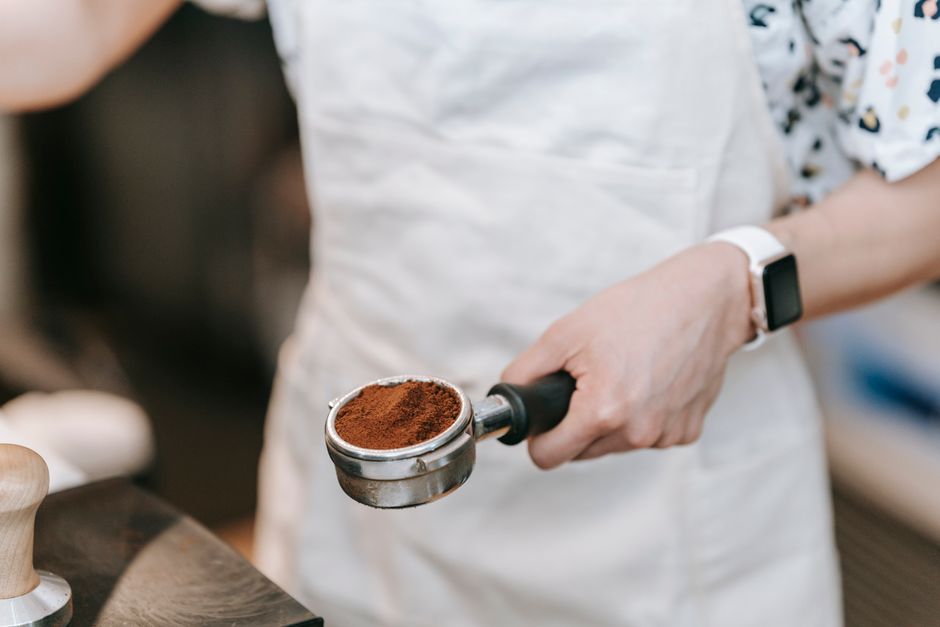
Used coffee grounds are not trash. They are a versatile household resource with genuine, evidence-backed uses in gardening, skincare, and cleaning. The best options are adding them to compost, using them as a gentle exfoliant, or repurposing them as a natural odor absorber. While many viral claims overstate their power, coffee grounds have real practical value when used correctly.
Can You Put Coffee Grounds in Compost?
Yes. Coffee grounds are an excellent addition to compost. They count as “green” material because they are rich in nitrogen. This balances the “brown” carbon-rich materials like dried leaves, straw, or cardboard.
You can add them directly to a compost bin or pile. Aim for a mix of roughly one part coffee grounds to two or three parts brown material. This ratio helps the pile break down efficiently without becoming too wet or smelly.
Worms also tolerate coffee grounds well. If you keep a worm bin, adding a small handful each week provides valuable nitrogen. Do not add large amounts at once. Worms can be sensitive to sudden changes in their environment.
Are Coffee Grounds Good for Garden Soil?
Coffee grounds improve soil structure. They add organic matter, which helps sandy soil hold water and helps clay soil drain better. This benefit comes from the grounds breaking down slowly and mixing with the soil.
Research has shown that used coffee grounds contain small amounts of nitrogen, phosphorus, and potassium. These are the three main nutrients plants need. The amounts are modest, so coffee grounds should not replace regular fertilizer.
A common myth says coffee grounds acidify soil. Fresh grounds are acidic, but the brewing process removes most of that acidity. Used grounds are nearly neutral, with a pH close to 6.5. They will not significantly lower soil pH for acid-loving plants like blueberries.
Do not apply a thick layer of coffee grounds directly on top of soil. A heavy layer can form a crust that blocks water and air. Mix grounds into the top few inches of soil instead. This prevents matting and helps them break down faster.
Do Coffee Grounds Repel Pests?
The evidence here is mixed. Some gardeners report that coffee grounds deter slugs, snails, and ants. The rough texture may irritate soft-bodied pests. The caffeine content may also play a role.
However, no large controlled studies confirm that coffee grounds reliably repel garden pests. Results vary widely depending on the pest, the environment, and how the grounds are applied. Some research even suggests that coffee grounds can attract certain insects.
If you want to try this method, use a thin ring of grounds around vulnerable plants. Reapply after rain. Keep expectations realistic. Coffee grounds are not a guaranteed pest control solution. They work for some people in some situations, but they are not a proven replacement for established pest management methods.





Can You Use Coffee Grounds as a Body Scrub?
Yes. Coffee grounds make an effective physical exfoliant. The fine particles remove dead skin cells when rubbed gently on the skin. This is one of the most well-supported household uses for coffee grounds.
Some studies suggest that caffeine applied to the skin may temporarily tighten the appearance of skin. This effect is short-lived and cosmetic. Caffeine does not permanently reduce cellulite or alter fat tissue. Marketing claims that coffee scrubs “eliminate” cellulite are not supported by clinical evidence.
To make a simple scrub, mix two tablespoons of coffee grounds with one tablespoon of coconut oil or olive oil. Massage onto damp skin in circular motions. Rinse thoroughly. Use once or twice a week at most.
Be careful with sensitive skin. Coffee grounds are abrasive. People with eczema, psoriasis, or broken skin should avoid scrubs altogether. Test on a small area first if you are unsure how your skin will react.
Do Coffee Grounds Absorb Odors?
Yes. Dry coffee grounds absorb odors effectively. This works because the grounds have a large surface area that traps odor molecules. The coffee aroma also masks unpleasant smells.
Place a bowl of dry grounds in the refrigerator or freezer to absorb food odors. Replace them every two to three weeks. You can also put dry grounds in a small open container near trash bins or in closets. The same principle works for removing garlic or onion smells from your hands. Rub dry grounds between your palms, then rinse with water.
One warning: coffee grounds smell like coffee. If you do not enjoy the scent, this method may not suit you. Also, use only fully dry grounds. Wet grounds can grow mold, which creates its own odor problem.
Can Coffee Grounds Clean Grease and Scrub Surfaces?
Coffee grounds work as a mild abrasive cleaner. Their texture helps lift stuck-on food and grease from pans, sinks, and counters. The grounds are gritty enough to scrub but soft enough to avoid scratching most surfaces.
Do not use coffee grounds on porous surfaces like marble, granite, or unsealed tile. The abrasive particles can leave fine scratches. Stick to metal pans, ceramic sinks, and glass cooktops.
Coffee grounds also help remove grease from hands after cooking or working on a car. Rub a handful of dry grounds into your hands, then wash with soap. The grounds bind to grease and rinse away cleanly.
Are Coffee Grounds Safe for Pets?
Used coffee grounds are not safe for pets to eat. The caffeine content in used grounds is lower than in fresh grounds, but it is still present. Caffeine is toxic to dogs and cats. Even small amounts can cause restlessness, rapid heart rate, and digestive upset in small animals.
Keep coffee grounds out of reach of pets. Do not add them to pet food. If you compost with coffee grounds, ensure your compost bin is pet-proof. If your pet eats a significant amount of coffee grounds, contact your veterinarian immediately.
Some gardeners spread coffee grounds in gardens to deter cats from digging. The strong smell may discourage some cats. No clinical evidence confirms this works reliably. It is a low-risk attempt, but do not expect consistent results.
What Not to Do With Coffee Grounds
Do not pour liquid coffee down drains with grounds in it. Grounds can clump with grease and fats, causing pipe blockages over time. Scrape grounds into the trash or compost instead.
Do not use coffee grounds as mulch directly on top of soil. As mentioned earlier, a thick layer forms a crust that prevents water from reaching plant roots. If you want to use grounds as mulch, mix them with wood chips or leaves first.
Do not believe claims that coffee grounds can dye fabric or hair. The color does not hold. Coffee grounds stain temporarily at best and wash out quickly. Commercial dyes are the only reliable option for changing fabric or hair color.
Finally, do not consume coffee grounds directly. Some people add them to smoothies for extra fiber. This is not recommended. The grounds are hard to digest and can cause stomach discomfort. There is no established health benefit that justifies this practice.
Frequently Asked Questions
Can I put coffee grounds down the garbage disposal?
No. Coffee grounds can clump with grease and fats, leading to pipe blockages over time. Dispose of them in compost or the trash instead.
How many coffee grounds do I add to compost?
Aim for roughly one part coffee grounds to two or three parts brown material like leaves or cardboard. This balance helps the pile break down efficiently.
Do coffee grounds make soil more acidic?
Used coffee grounds are nearly neutral, with a pH close to 6.5. They will not significantly lower soil pH for acid-loving plants.
Can coffee grounds go on houseplants?
Yes, in small amounts. Sprinkle a thin layer on top of the soil and mix it in gently. Do not use large amounts, as they can trap moisture and promote mold growth.
