
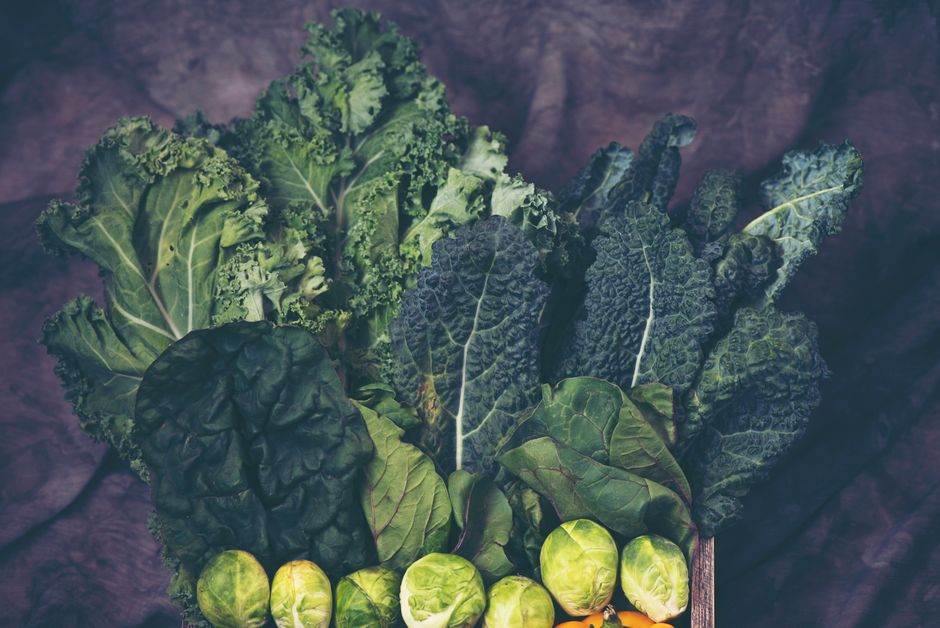
Collard greens are one of the most nutrient-dense vegetables you can eat. They are a leafy green vegetable packed with vitamins, minerals, and fiber while being very low in calories. Research consistently shows that a diet rich in leafy greens like collards is linked to better heart health, improved blood sugar control, and a lower risk of certain chronic diseases.
What Nutrients Are in Collard Greens?
Collard greens are a member of the cruciferous vegetable family, which also includes kale, broccoli, and cabbage. A single cup of cooked collard greens provides a substantial amount of your daily needs for several key nutrients.
They are an excellent source of vitamin K, providing well over the daily recommended amount in one serving. Vitamin K is essential for blood clotting and bone health. They are also rich in vitamin A (in the form of beta-carotene), vitamin C, and folate.
For minerals, collard greens offer calcium, magnesium, and potassium. This combination is important because these minerals work together to support bone density, nerve function, and healthy blood pressure regulation. The fiber content is also significant, which aids digestion and helps you feel full after a meal.
Unlike many other leafy greens, collards are often cooked rather than eaten raw. Cooking actually makes some nutrients easier to absorb. The heat breaks down the plant’s tough cell walls, which can help your body access more of the calcium and beta-carotene.
Is Collard Greens Good For You for Heart Health?
Yes, evidence strongly supports that collard greens benefit cardiovascular health. They are a primary source of dietary nitrates, which the body converts into nitric oxide. Nitric oxide helps relax and widen blood vessels, which can lower blood pressure and improve blood flow.
The potassium and magnesium in collard greens also play direct roles in blood pressure regulation. Potassium helps counteract sodium’s effects, and magnesium supports proper muscle function in the heart and blood vessels. The fiber in collards binds to cholesterol in the digestive tract, helping your body excrete it rather than absorb it into the bloodstream.
Some research suggests that people who eat more cruciferous vegetables have a lower risk of atherosclerosis, the buildup of plaque in arteries. The combination of these nutrients and plant compounds makes collards a smart daily addition for anyone focused on heart health.
Can Collard Greens Help Manage Blood Sugar?
Collard greens are an outstanding food for blood sugar management. They are very low in carbohydrates, and most of those carbs come from fiber. This means they have a minimal impact on blood glucose levels after eating.
The fiber in collards slows down digestion and the absorption of sugar into the bloodstream. When you eat collards alongside other carbohydrate foods, like rice or potatoes, the fiber helps blunt the blood sugar spike that typically follows such a meal.
Some studies also suggest that compounds in cruciferous vegetables may improve insulin sensitivity over time. Insulin sensitivity refers to how effectively your body’s cells respond to insulin to take up glucose. Better sensitivity means your body needs less insulin to manage blood sugar.
For people with type 2 diabetes or prediabetes, filling half your plate with non-starchy vegetables like collards is a practical strategy supported by dietary guidelines. They provide volume and nutrients without the caloric or carbohydrate load.





How Do Collard Greens Compare to Other Leafy Greens?
Collards are often compared to kale, spinach, and Swiss chard. Each has a distinct nutrient profile, but collards hold their own in several areas.
| Nutrient (per 1 cup cooked) | Collard Greens | Kale | Spinach |
|---|---|---|---|
| Vitamin K | Very high | Very high | High |
| Vitamin C | Good | Good | Moderate |
| Calcium | Good | Moderate | Good |
| Fiber | Good | Moderate | Moderate |
| Calories | Very low | Very low | Very low |
Collards provide more calcium than kale and more fiber than spinach. They are also one of the best vegetable sources of vitamin K. One important difference is that collards are usually eaten cooked, while kale and spinach are often consumed raw in salads. Cooking collards reduces their volume significantly, making it easier to eat a large serving.
Spinach and Swiss chard contain high levels of oxalates, compounds that can bind to calcium and reduce its absorption. Collard greens are lower in oxalates, meaning the calcium they contain is more readily absorbed by your body. This makes collards a better choice for bone health than some other leafy greens.
What Are the Health Risks of Eating Collard Greens?
Collard greens are safe for most people, but there are a few considerations. Because they are exceptionally high in vitamin K, they can interfere with blood-thinning medications like warfarin. Vitamin K promotes blood clotting, which is exactly what these medications work against.
If you take a blood thinner, you do not need to avoid collard greens entirely. The key is consistency. Keep your intake of vitamin K-rich foods steady from week to week so your doctor can adjust your medication dose appropriately. Sudden large changes in how many collards you eat can cause dangerous fluctuations in your blood’s clotting ability.
Collards also contain goitrogens, compounds that can interfere with thyroid function in sensitive individuals. This is mainly a concern for people with existing thyroid conditions or those with very low iodine intake. Cooking collards significantly reduces goitrogen activity, so the risk is minimal for most healthy people.
Raw collard greens are tough and fibrous, making them difficult to chew and digest. Most people cook them, which softens the leaves and makes them more palatable. Washing leaves thoroughly is important to remove dirt and any pesticide residue.
What Is the Best Way to Cook Collard Greens?
The traditional Southern preparation of collard greens involves long simmering with smoked meat, often ham hocks or bacon. This method produces a flavorful dish but adds significant amounts of saturated fat and sodium. The health benefits of the greens can be partially offset by these additions.
A healthier approach is to sauté collards with garlic and olive oil. This retains the nutrients while adding heart-healthy monounsaturated fat. Olive oil also helps your body absorb the fat-soluble vitamins in collards, including vitamins A, K, and E.
Steaming is another excellent option. It preserves the bright green color and most nutrients without adding any fat. You can finish steamed collards with a squeeze of lemon juice, which adds flavor and vitamin C.
No matter how you cook them, avoid boiling collards in large amounts of water and discarding the water. This leaches water-soluble vitamins like vitamin C and folate into the cooking liquid. If you do boil them, consider using the cooking liquid as a broth for soups or stews.
How Much Collard Greens Should You Eat?
There is no single official recommendation for collard greens specifically. General dietary guidelines recommend eating about 2.5 to 3 cups of vegetables per day for most adults. Dark leafy greens like collards are a designated subgroup within these recommendations.
The weekly recommendation for dark green vegetables is about 1.5 to 2 cups per week for adults. This is a minimum target, not a limit. Eating collards more frequently than this is fine for most people.
One practical approach is to include a serving of collard greens with several meals each week. A serving is roughly one cup of cooked greens. If you are not used to eating a lot of fiber, start with smaller portions and increase gradually. A sudden large increase in fiber can cause bloating and gas until your digestive system adjusts.
Frequently Asked Questions
Can you eat collard greens raw?
Yes, but they are tough and bitter when raw. Cooking softens the leaves and improves the flavor significantly.
Are collard greens better for you than kale?
Both are highly nutritious, but collards provide more calcium and fiber. Kale offers more vitamin C per serving.
Do collard greens cause kidney stones?
Collards are lower in oxalates than spinach or Swiss chard, so they pose less risk. People prone to kidney stones can usually eat them in moderation.
Can you eat collard greens every day?
Yes, daily consumption is safe for most people. If you take blood thinners, keep your daily intake consistent and inform your doctor.
