
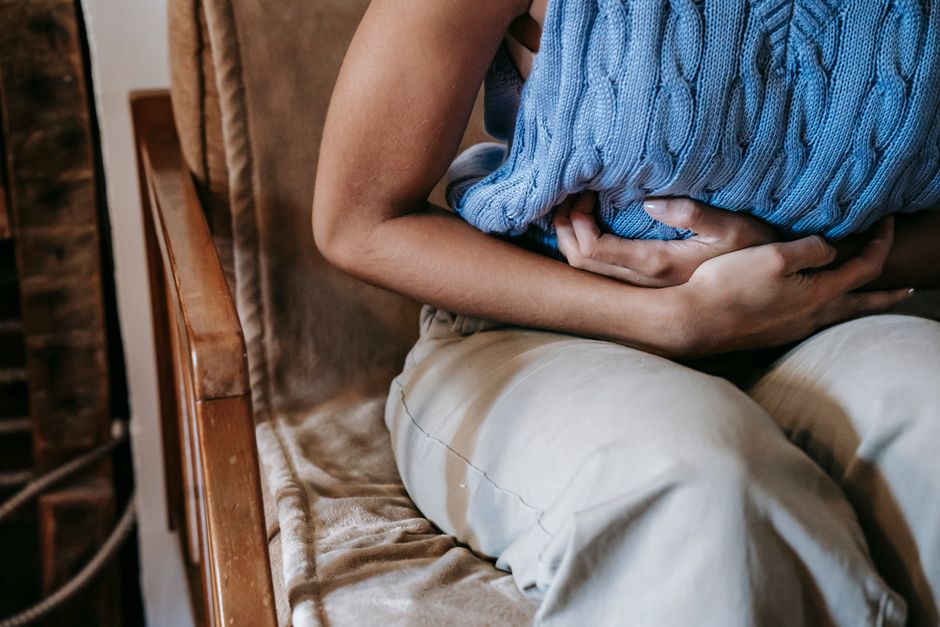
When your stomach hurts really bad, the first thing to do is stop eating and drink small sips of clear liquid like water or a rehydration drink. Lie down in a comfortable position, often on your side with your knees pulled up toward your chest. Avoid any over-the-counter pain relievers like ibuprofen or aspirin until you know the cause, since they can make some stomach problems worse. If the pain is severe, lasts more than a few hours, or comes with fever, vomiting blood, or bloody stool, get medical help immediately.
What Causes Really Bad Stomach Pain?
Severe stomach pain has many possible causes. The most common ones are not emergencies, but some are serious. Understanding the difference helps you decide what to do.
Gas and bloating can cause sharp, cramping pain. This usually passes within a few hours. Constipation is another common cause. When stool builds up in the colon, it stretches the intestinal wall and causes significant discomfort. The CDC reports that about 16% of US adults have chronic constipation.
Stomach viruses like norovirus cause sudden, intense cramping along with vomiting and diarrhea. These usually resolve on their own within 24 to 48 hours. Food poisoning works the same way. The pain comes on fast and hard, but your body clears the toxin or bacteria within a day or two.
More serious causes include appendicitis, which typically starts as pain around the belly button and moves to the lower right side. Gallbladder attacks cause pain in the upper right abdomen, often after a fatty meal. Kidney stones create sharp pain in the lower back or side that comes in waves. Pancreatitis causes severe upper abdominal pain that radiates to the back. These conditions require medical attention.
What Should You Do First When Stomach Pain Hits Hard?
Stop eating immediately. Your digestive system needs rest. Give it 4 to 6 hours without food. This allows inflammation to settle and prevents making things worse.
Take small sips of clear liquids. Water is fine. A rehydration drink like Pedialyte or a homemade salt-sugar solution works better if you have been vomiting or have diarrhea. Drink one tablespoon every five minutes. Do not gulp. Gulping can trigger vomiting and worsen pain.
Find a comfortable position. Lying on your left side with your knees bent toward your chest reduces tension in the abdominal muscles. This position also helps gas move through the intestines more easily. Some people find relief lying flat on their back with a pillow under their knees.
Apply gentle heat. A heating pad on low or a warm compress on your abdomen can relax muscle spasms. Never fall asleep with a heating pad on. Use it for 15 to 20 minutes at a time.
Which Over-the-Counter Medications Help and Which Make Things Worse?
| Medication | When It Helps | When to Avoid |
|---|---|---|
| Acetaminophen (Tylenol) | General pain, no anti-inflammatory effect needed | Liver disease, alcohol use within 24 hours |
| Ibuprofen (Advil, Motrin) | Menstrual cramps, muscle strain | Suspected stomach ulcer, gastritis, or bleeding |
| Simethicone (Gas-X) | Gas pain, bloating | No known risks, but limited evidence it helps severe gas |
| Bismuth subsalicylate (Pepto-Bismol) | Traveler’s diarrhea, mild indigestion | Allergy to aspirin, taking blood thinners |
| Loperamide (Imodium) | Watery diarrhea without fever or blood | Bloody diarrhea, fever, suspected bacterial infection |
Avoid ibuprofen and aspirin if you have stomach pain that could be an ulcer or gastritis. These drugs block prostaglandins that protect the stomach lining. Taking them can make bleeding or inflammation worse. Acetaminophen is safer for general pain relief but does not help with inflammation.
Antacids like Tums or Maalox work for heartburn and acid reflux pain. They neutralize stomach acid quickly. If your pain is in the upper chest or throat area, antacids are a reasonable first step. If the pain is lower in the abdomen, antacids probably will not help.





What Home Remedies Actually Work for Severe Stomach Pain?
Research published in the Journal of Gastroenterology and Hepatology found that peppermint oil capsules reduce pain in people with irritable bowel syndrome. Peppermint relaxes the smooth muscle of the intestines. If you have IBS, enteric-coated peppermint oil capsules may help. Do not use peppermint if you have GERD, as it can relax the lower esophageal sphincter and make reflux worse.
Ginger has solid evidence behind it. A 2019 review in the journal Nutrients confirmed that ginger reduces nausea and vomiting. It also has anti-inflammatory properties. Grate fresh ginger into hot water for tea. Chew a small piece of crystallized ginger. Ginger supplements are available but stick to 1 gram per day maximum.
Chamomile tea is widely claimed to soothe stomach pain, though strong clinical evidence is limited. Some studies suggest it has anti-inflammatory and antispasmodic effects. It is safe to try and unlikely to cause harm. Drink it warm, not hot, to avoid irritating the stomach further.
The BRAT diet — bananas, rice, applesauce, toast — is a common recommendation after stomach upset. Evidence for this specific combination is weak, but bland, low-fiber foods are generally easier to digest. Start with one or two crackers. Wait 30 minutes. If the pain does not return, try a small amount of plain rice or a banana.
When Should You Go to the Emergency Room for Stomach Pain?
Some stomach pain requires immediate medical attention. Do not wait to see if it passes. Go to the ER if any of these are true:
- The pain is sudden and sharp, like a knife stab
- You cannot stop vomiting or you vomit blood
- Your stool is black, tarry, or has bright red blood
- You have a fever over 101°F (38.3°C)
- Your abdomen is hard and tender to touch
- You have been in a recent accident or have an injury to the abdomen
- You are pregnant and have severe abdominal pain
- The pain started within a week of abdominal surgery
The American College of Gastroenterology advises that pain lasting more than 24 hours without improvement should be evaluated by a doctor. Pain that wakes you from sleep is also a red flag. Benign stomach pain usually comes and goes. Pain that is constant and getting worse is more concerning.
Older adults and people with weakened immune systems should have a lower threshold for seeking care. Stomach infections and blockages can progress faster in these groups. If you are over 65 and have new, severe stomach pain, see a doctor the same day.
What to Avoid When Your Stomach Hurts Really Bad
Do not take pain relievers that contain opioids unless prescribed by a doctor. Opioids slow down the digestive system. They can cause constipation and even make some types of stomach pain worse. They also mask symptoms that a doctor needs to see.
Avoid dairy products. Milk, cheese, and yogurt can be hard to digest when your stomach is upset. Many people are temporarily lactose intolerant after a stomach virus. Stick to clear liquids first.
Do not eat high-fiber foods like beans, broccoli, or whole grains. Fiber increases gas production and can worsen cramping. The same goes for fatty or fried foods. Fat triggers gallbladder contractions and slows stomach emptying. Both can increase pain.
Alcohol and caffeine irritate the stomach lining and increase acid production. Avoid both until the pain is completely gone for at least 24 hours. Carbonated drinks can also cause gas and bloating. Flat ginger ale or clear soda that has gone flat is sometimes tolerated, but water is better.
Do not lie flat immediately after eating. Gravity helps keep acid in the stomach. Wait at least two to three hours after eating before lying down. If you need to rest, prop yourself up with pillows.
Does What To Do When Your Stomach Hurts Really Bad Change Based on Where the Pain Is?
Yes. The location of the pain gives important clues about the cause. Pain in the upper right abdomen often points to the gallbladder or liver. Pain in the upper center can mean an ulcer or acid reflux. Pain in the lower right side is classic for appendicitis. Pain in the lower left side is often diverticulitis or constipation.
If the pain moves, pay attention. Appendicitis pain often starts near the belly button and migrates to the lower right. Pancreatitis pain tends to start in the upper middle and radiate straight through to the back. Gallbladder pain may spread to the right shoulder blade.
Pain that wraps around the back or feels like a belt tightening around the waist can signal pancreatitis. This is a serious condition. It requires hospital care and IV fluids. Do not try to manage this at home.
If you can point to the exact spot of pain with one finger, that is called localized pain. This is more concerning than diffuse pain that covers a large area. Localized pain often means a specific organ is inflamed. Make an appointment with your doctor or go to urgent care.
Frequently Asked Questions
Can drinking water help severe stomach pain?
Yes, but only in small sips. Drinking too much water at once can stretch the stomach and increase pain. Sip one tablespoon every five minutes.
Is it safe to take Tylenol for stomach pain?
Acetaminophen is safer than ibuprofen for stomach pain because it does not irritate the stomach lining. But it will not help with inflammation or cramping.
How long should I wait before seeing a doctor for stomach pain?
See a doctor if the pain lasts more than 24 hours without improving, or if it gets worse during that time. Go to the ER immediately for severe or sudden pain.
Can heat make stomach pain worse?
Heat usually helps muscle spasms and cramping. But if you have a fever or the abdomen is hot to the touch, heat can mask a serious infection. Stop using heat if the pain increases.
