
Throwing out your back is a sudden, sharp pain in your lower back that can stop you mid-motion. It often happens during a simple twist, a sneeze, or while bending over to pick up a light object. The immediate answer to what to do is to stop the activity, find a comfortable resting position, and apply ice to the area for the first 48 hours. Most episodes improve significantly within a few days, but how you manage the first few hours can make a real difference in your recovery.
What Does “Throwing Out Your Back” Actually Mean?
The phrase “throwing out your back” is not a medical diagnosis. It is a general description for sudden, acute lower back pain. In most cases, the pain comes from a muscle strain or a sprain of the ligaments that support the spine. This happens when the soft tissue is stretched too far or tears slightly.
Sometimes the pain involves the facet joints, the small joints between the vertebrae. A sudden movement can irritate these joints and cause significant discomfort. In other cases, a disc between the vertebrae may bulge or irritate a nearby nerve root, causing pain that can shoot into the leg. This is often called sciatica, but not every thrown-out back involves a disc or nerve.
What makes this injury so jarring is the muscle spasm. When the tissue is injured, the surrounding muscles contract forcefully to protect the area. This spasm is painful and can make you feel frozen in place. The spasm is a protective response, but it also contributes to the intense, gripping pain you feel.
What To Do When U Throw Out Your Back: The First 48 Hours
The first two days are about calming the injury down. Your main goals are to reduce pain and limit inflammation. Movement is not your enemy, but heavy lifting and twisting are.
Stop and rest briefly. If you are in the middle of an activity, stop immediately. Sit down or lie down in a position that takes pressure off your spine. For many people, lying on the back with knees bent and feet flat on the floor is most comfortable. Others prefer lying on the side with a pillow between the knees. There is no single perfect position. Find what reduces your pain.
Apply ice. Cold therapy helps reduce inflammation and can numb the area to ease pain. Apply an ice pack wrapped in a thin cloth to the painful area for 15 to 20 minutes at a time. Repeat this every 2 to 3 hours during the first 48 hours. Do not apply ice directly to bare skin, as this can cause frostbite.
Use gentle movement. Complete bed rest for more than a day or two can slow recovery. After a few hours of rest, try to get up and walk slowly around the room. Gentle movement keeps your muscles from stiffening and helps maintain blood flow to the injured tissue. Listen to your body. If walking increases your pain significantly, stop and rest more.
Avoid heat initially. Heat feels soothing, but in the first 48 hours it can increase blood flow to the area and potentially worsen inflammation. Ice is the better choice during this early phase. After 48 hours, you can switch to heat if it feels better, especially for muscle tightness.
When To Move From Ice To Heat And Gentle Activity
After the first two days, the acute inflammation begins to subside. This is when you can shift your focus from calming the injury to restoring normal movement. Heat can now be helpful for relaxing tense muscles and promoting blood flow. Apply a heating pad on a low or medium setting for 15 to 20 minutes at a time.
Gentle activity becomes more important now. Walking is one of the best things you can do for a strained back. Start with short, slow walks around your home. Gradually increase the distance as your pain allows. The goal is to keep moving without provoking sharp pain.
Light stretching can help, but you need to be careful. A gentle knee-to-chest stretch while lying on your back may provide relief. Another option is a slow, supported standing backbend. Do not push into pain. A mild stretch sensation is acceptable, but sharp pain means you are going too far.
Over-the-counter pain relievers can help during this phase. Nonsteroidal anti-inflammatory drugs (NSAIDs) like ibuprofen or naproxen can reduce both pain and inflammation. Acetaminophen can help with pain but does not reduce inflammation. Always follow the dosing instructions on the label and check with your doctor or pharmacist if you have medical conditions or take other medications.





What Not To Do After A Back Injury
Knowing what to avoid is just as important as knowing what to do. Certain actions can worsen the injury or delay healing.
Do not stay in bed for days. Prolonged bed rest weakens muscles and makes recovery slower. Research consistently shows that staying active within pain limits leads to faster recovery than bed rest.
Avoid bending and twisting. These movements put the most stress on your lower spine. If you need to pick something up, squat down by bending your knees and keeping your back straight. Do not bend at the waist to reach for items on the floor.
Do not lift anything heavy. For the first week, avoid lifting anything over 10 pounds. Even light lifting can strain the healing tissue if you use poor form.
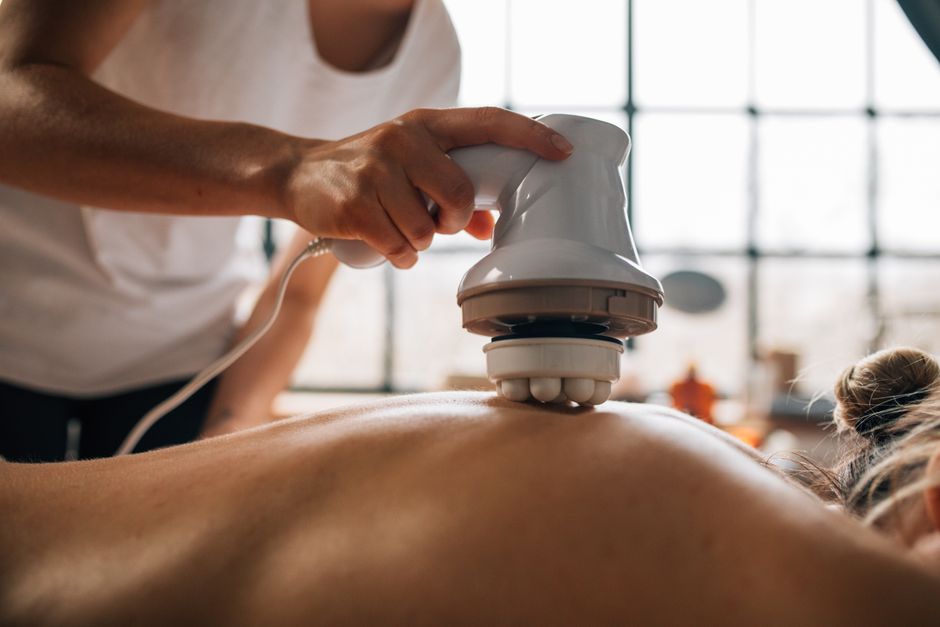
Skip the deep tissue massage. A forceful massage on an acutely injured back can increase muscle spasm and inflammation. Gentle massage on the surrounding areas may be fine, but avoid direct pressure on the painful spot.
Do not ignore red flags. If you have numbness or tingling in the groin area, loss of bladder or bowel control, or weakness in both legs, seek emergency medical care immediately. These can be signs of a serious condition called cauda equina syndrome.
How Long Does A Thrown Out Back Take To Heal?
Most acute back pain episodes improve quickly. Studies show that most people feel significant relief within 1 to 2 weeks. Full recovery of the muscle tissue can take 4 to 6 weeks. The intense pain often fades within the first few days, but you may feel a dull ache or stiffness for several weeks.
Your recovery timeline depends on the severity of the strain and how you manage the injury. People who stay gently active tend to recover faster than those who rest excessively. Returning to normal activities gradually is encouraged, even if you still have some discomfort.
It is normal to feel nervous about moving after a back injury. Fear of re-injury can make you overly cautious. This is understandable, but it can slow your recovery. Start with simple activities and build up gradually. Your body will tell you what it can handle.
When Should You See A Doctor?
Many people manage a thrown-out back at home without medical care. However, certain situations warrant a medical evaluation. If your pain does not improve after a few days of home care, contact your doctor. Pain that is getting worse instead of better also needs professional attention.
Seek medical care promptly if you experience any of the following:
- Pain that radiates below the knee or into the foot
- Numbness or tingling in your leg or foot
- Weakness in your leg that makes it hard to stand or walk
- Loss of bladder or bowel control
- Numbness in the groin area
- Pain accompanied by fever, chills, or unexplained weight loss
These symptoms may indicate nerve involvement or another underlying condition that requires proper diagnosis. A doctor can perform a physical exam and determine whether imaging tests like an X-ray or MRI are needed. Most back pain does not require imaging, but your doctor will decide based on your specific symptoms and medical history.
How To Prevent Throwing Out Your Back Again
Once you recover, you can take steps to reduce the chance of a repeat episode. A previous back injury is a risk factor for future injuries, so prevention matters.
Strengthen your core. Your core muscles include the abdominal muscles, back muscles, and pelvic floor. These muscles work together to support your spine. Strengthening them can improve your spine’s stability. Simple exercises like planks, bird dogs, and bridges are effective starting points.
Maintain good posture. Poor posture puts extra stress on your lower back. When sitting, keep your feet flat on the floor and your back supported. When standing, avoid slouching. If you work at a desk, take regular breaks to stand and move.
Lift properly. When lifting anything from the ground, squat down using your legs rather than bending at your waist. Hold the object close to your body and avoid twisting while lifting. This technique protects your lower back from excessive strain.
Stay physically active. Regular exercise keeps your back muscles strong and flexible. Walking, swimming, and cycling are all good options. A sedentary lifestyle weakens the muscles that support your spine, making you more vulnerable to injury.
Frequently Asked Questions
Should I use ice or heat for a thrown-out back?
Use ice for the first 48 hours after the injury to reduce inflammation. After that, you can switch to heat to relax tight muscles and promote blood flow.
How long does it take to recover from throwing out your back?
Most people feel significant improvement within 1 to 2 weeks, though full tissue healing can take 4 to 6 weeks. Staying gently active within pain limits supports faster recovery.
Is it better to rest or stay active after a back injury?
Brief rest for the first day is fine, but prolonged bed rest slows recovery. Gentle activity like short walks is encouraged as soon as you can tolerate it.
When is a thrown-out back a medical emergency?
Seek emergency care if you lose bladder or bowel control, have numbness in the groin area, or experience weakness in both legs. These can be signs of a serious spinal condition.
