
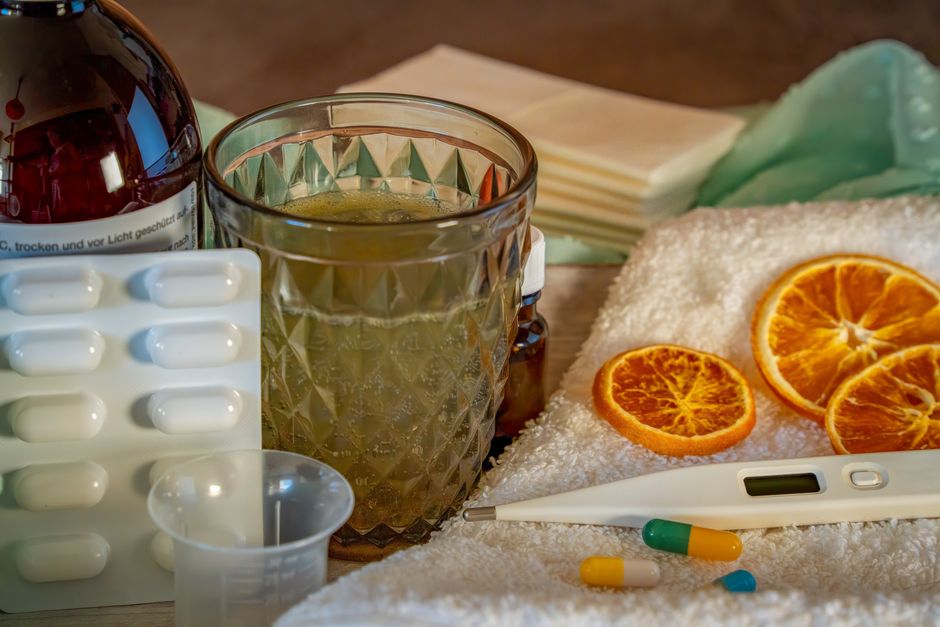
Getting sick is never convenient, but knowing what to do in the first few hours can make a real difference in how you feel and how quickly you recover. The core steps are simple: rest, stay hydrated, and treat specific symptoms like fever or congestion with proven remedies. For most common viral illnesses like colds and flu, the goal is managing symptoms while your immune system does the work.
What To Do When Sick: The First Steps
Start with the basics that apply to almost any illness. Rest is not optional when you are sick — it is how your body directs energy toward fighting the infection. Sleep more than usual and take it easy during the day. Returning to normal activity too soon can prolong illness or make symptoms worse.
Hydration is equally important. Fever, sweating, and even breathing faster than normal all increase fluid loss. Water is the best choice. Broths and herbal teas also count toward fluid intake. Avoid alcohol and limit caffeine, as both can dehydrate you further.
Eat if you can, but do not force it. Light foods like toast, rice, bananas, and soup are easier to tolerate. If you have no appetite for a day or two, that is normal — just keep drinking fluids.
Should You Take Over-the-Counter Medications?
Over-the-counter medications do not cure viral infections, but they can make you more comfortable. Which one you choose depends on your symptoms.
For fever and body aches, acetaminophen (Tylenol) or ibuprofen (Advil, Motrin) are both effective. Do not take both at the same time unless a doctor specifically tells you to. Never give aspirin to children or teenagers recovering from a viral illness — it has been linked to Reye’s syndrome, a rare but serious condition.
For nasal congestion, decongestants like pseudoephedrine can help, but they may raise blood pressure. If you have high blood pressure or heart conditions, check with a pharmacist or doctor first. Saline nasal sprays are a safer option and work well for mild congestion.
Cough medicines are less straightforward. Some research suggests they offer limited benefit for most people. Honey has actually shown promise in studies for calming nighttime coughs in adults and children over one year old. A spoonful before bed can help, but never give honey to infants under twelve months due to botulism risk.
When Does a Fever Need Treatment?
Fever is not an illness itself — it is a sign that your immune system is responding. A normal body temperature is around 98.6°F, but it varies by person and time of day. Most doctors consider 100.4°F or higher a fever.
You do not need to treat every fever. Mild fevers help your immune system fight infection. Treat a fever only if it makes you uncomfortable or interferes with sleep. For adults, medication is typically considered when the fever is above 102°F or causing significant discomfort.
Seek medical attention for a fever if it reaches 103°F or higher in an adult, lasts more than three days, or comes with severe headache, stiff neck, confusion, rash, or difficulty breathing. These can be signs of a more serious infection that needs evaluation.
For infants under three months with any fever of 100.4°F or higher, contact a doctor immediately. Their immune systems are not fully developed, and fever in this age group requires prompt medical assessment.





What About Fluids and Electrolytes?
Plain water is usually enough for mild illness. But if you have vomiting, diarrhea, or a high fever that causes heavy sweating, you lose electrolytes along with water. In those cases, an oral rehydration solution or sports drink can help replace what you lost.
Oral rehydration solutions like Pedialyte contain a specific balance of salt, sugar, and water that the body absorbs efficiently. Sports drinks contain more sugar and less salt, but they are acceptable for mild dehydration in otherwise healthy adults.
Signs of dehydration include dark urine, urinating less frequently than usual, dry mouth, dizziness when standing, and fatigue. If you cannot keep fluids down at all for more than 24 hours, or if you feel confused or extremely weak, seek medical care.
How Much Rest Do You Actually Need?
There is no universal rule for how many days of rest a cold or flu requires. Most uncomplicated viral illnesses last between five and seven days, with the worst symptoms in the first two to three days. Some coughs linger for two to three weeks even after other symptoms resolve.
A practical guideline is to stay home until you have been fever-free for 24 hours without using fever-reducing medication. This is the standard advice from public health authorities for returning to work or school. It reduces the chance of spreading illness to others.
Even after your fever breaks, ease back into activity gradually. A day of light activity before returning to full exercise or work schedules helps your body adjust. Pushing too hard too soon can trigger a relapse of symptoms.
When Should You See a Doctor?
Most viral illnesses resolve on their own, but some situations warrant medical attention. Trust your judgment — if something feels seriously wrong, get evaluated.
Adults should see a doctor for any of the following:
- Difficulty breathing or shortness of breath
- Chest pain or pressure
- Confusion or difficulty waking
- Fever above 103°F that does not respond to medication
- Symptoms that improve then suddenly worsen
- Severe headache, especially with a stiff neck
- Inability to keep fluids down for over 24 hours
People with chronic conditions like asthma, diabetes, heart disease, or weakened immune systems should contact their doctor earlier in an illness. What is a minor cold for a healthy person can become serious in someone with underlying health issues.
Antibiotics will not help a viral infection. Taking them when they are not needed contributes to antibiotic resistance and can cause side effects like diarrhea or allergic reactions. Only take antibiotics if a doctor prescribes them for a confirmed bacterial infection.
Can You Prevent Getting Sick in the First Place?
Prevention is always better than treatment. Handwashing with plain soap and water for at least 20 seconds is one of the most effective ways to reduce the spread of respiratory viruses. Alcohol-based hand sanitizers with at least 60% alcohol work when soap and water are not available.
Regular exercise, adequate sleep, and a balanced diet support immune function, but they do not guarantee you will not get sick. Supplements like vitamin C, zinc, and elderberry are popular, but the evidence for preventing illness is mixed. Some studies suggest zinc lozenges may shorten the duration of a cold if started within 24 hours of symptoms, but results vary and high doses can cause nausea.
The seasonal flu vaccine does not prevent all respiratory infections, but it reduces your risk of severe flu illness and complications. It is updated each year to match circulating strains.
Common Myths About Treating Illness
Several popular remedies have little or no evidence behind them. Vitamin C does not prevent colds in most people, though some research suggests it may slightly shorten their duration. Echinacea results are inconsistent across studies. There is no evidence that “sweating out” a fever helps — it can actually worsen dehydration.
Antibiotics for viral infections are not just ineffective — they are harmful when overused. They kill beneficial bacteria in your gut and can lead to resistant infections that are harder to treat later.
Being sick is rarely pleasant, but most common illnesses are self-limited. Focus on rest, fluids, and symptom relief. Monitor for warning signs. And give your body the time it needs to recover — that is the most effective treatment there is.
Frequently Asked Questions
How long should I stay home when sick?
Stay home until you have been fever-free for 24 hours without using fever-reducing medication. This reduces the chance of spreading illness to others at work or school.
What should I eat when I feel sick?
Light, easy-to-digest foods like soup, toast, rice, and bananas are best if you have an appetite. If you do not feel like eating, focus on staying hydrated with water, broth, or herbal tea.
Is it safe to exercise when sick?
Light exercise may be fine for a mild cold with symptoms above the neck, but avoid exercise with fever, body aches, or chest symptoms. Rest is more important than maintaining your workout routine while ill.
When should I go to the doctor for a cold?
See a doctor if you have difficulty breathing, chest pain, confusion, a fever over 103°F, or symptoms that worsen after several days. People with chronic health conditions should contact their doctor earlier in an illness.
