
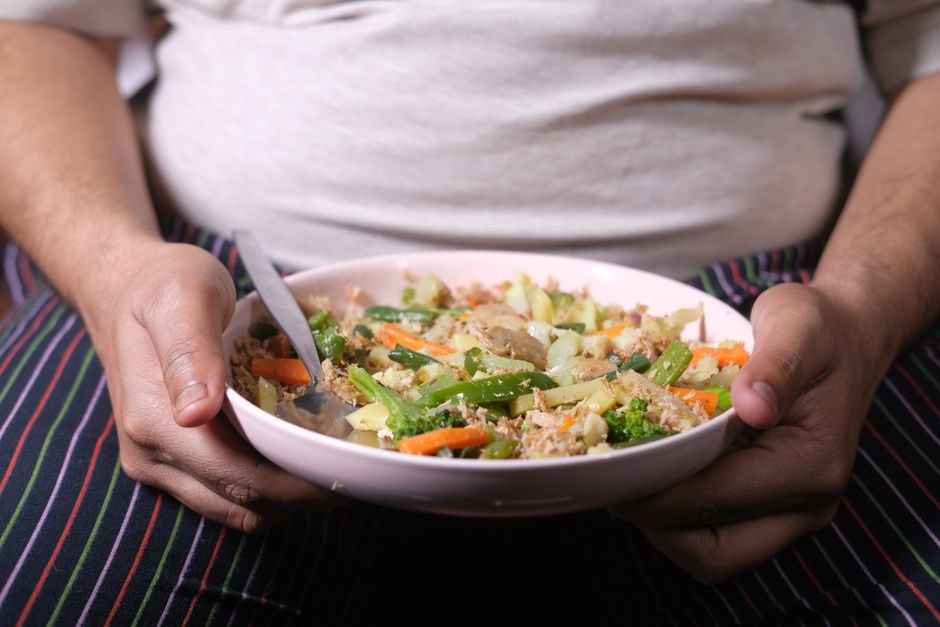
When your stomach is off and diarrhea has started, dinner is the meal most people worry about most. The safest choices are plain, low-fiber, low-fat foods that are easy to digest: white rice, plain pasta, bananas, applesauce, white toast, and boiled or baked chicken without skin. Skip fried foods, dairy, spicy dishes, and anything high in fiber or sugar until your stools firm up.
Diarrhea means your intestines are moving contents through faster than normal and pulling out less water. Food that is gentle, low in fat, and low in fiber puts less strain on that system. The goal at dinner is simple: replace some lost fluid and salt, get a little easy energy, and avoid anything that could make the runs worse.
What To Eat For Dinner When You Have Diarrhea?
The short answer is plain starch plus a lean protein, and plenty of fluids on the side. This is a temporary eating plan, not a long-term diet. You eat this way for a day or two while symptoms settle, then return to normal food.
Good dinner options include:
- White rice, plain or with a little salt
- Plain pasta or noodles, no heavy sauce
- White toast or plain crackers
- Bananas
- Applesauce
- Boiled or baked chicken or turkey without skin
- Plain baked potato without the skin
- Eggs, cooked plainly
- Clear broth or plain soup
These foods are low in fat and low in fiber, so they are easier on a gut that is already irritated. They also tend to be bland, which matters when nausea often comes along with diarrhea.
You may have heard this list called the BRAT diet — bananas, rice, applesauce, toast. It is a common starting point, and clinicians have recommended it for decades. What is worth knowing is that BRAT is not a complete diet. It is low in protein, fat, and several nutrients, so it was never meant to be followed for more than a short time. Once you feel better, get back to eating normally.
Why Do Bland Foods Help During Diarrhea?
When your gut is inflamed or irritated, it does not handle fat and fiber the way it usually does. Fat slows stomach emptying and can trigger more cramping and urgency. Fiber, especially the insoluble kind in raw vegetables, whole grains, and skins, adds bulk that a sensitive gut may push through too quickly.
Bland, low-fiber foods do the opposite. They are absorbed with less work. They give your body glucose and some protein without demanding much from a digestive tract that is already struggling. That is the whole logic behind eating plain rice and toast when you are sick.
There is a second piece that people often miss. Diarrhea causes you to lose water and electrolytes — mainly sodium and potassium — through your stools. Replacing those matters as much as the food itself. That is why drinking fluids at dinner, not just eating, is part of the plan.
What Should You Drink With Dinner?
Fluids are not optional when you have diarrhea. Your body is losing water with every loose stool, and replacing it is one of the most important things you can do.
Good choices include:
- Water
- Clear broth or bouillon
- An oral rehydration solution, which you can buy at most pharmacies
- Diluted juice, if you tolerate it
Oral rehydration solutions are worth a specific mention. They contain a balanced mix of sodium, glucose, potassium, and water in proportions designed to replace what diarrhea takes out. For mild diarrhea in otherwise healthy adults, plain water and salty broth are often enough. For more significant fluid loss, especially in children or older adults, an oral rehydration solution is the better choice. These products are widely available and are the standard used around the world for diarrheal illness.
Things to limit or avoid at dinner:
- Coffee and other caffeinated drinks, which can stimulate the bowel
- Alcohol
- Very sugary drinks like soda and sweet juice, which can pull more water into the gut
- Milk and dairy, if they seem to make things worse

Foods To Avoid Until You Feel Better
Some foods reliably make diarrhea worse, and dinner is when people tend to eat them. Steering clear for a day or two can help symptoms settle faster.
Avoid these while you are still having loose stools:
- Fried and greasy foods
- Spicy dishes
- High-fiber foods: raw vegetables, beans, whole grains, nuts, seeds
- Dairy, especially milk and ice cream
- Sugar alcohols and artificial sweeteners, which can worsen diarrhea
- Prunes, figs, and other natural laxatives
- Very fatty meats and heavy cream sauces
One nuance about dairy is worth knowing. Temporary lactose intolerance is common after a bout of diarrhea. The lining of the small intestine, where the enzyme lactase is made, can be temporarily damaged, so milk sugar is not broken down as well. This usually improves as the gut heals. If dairy seems to make your symptoms worse, cut it out for a few days and reintroduce it later.
Is It Safe To Skip Dinner Instead?
Skipping a meal is sometimes fine for a few hours if you feel too nauseated to eat, but it is not a good plan for a full day. Your body still needs fluids and some energy to recover, and going too long without eating can leave you weak and lightheaded.
If you truly cannot face a full dinner, aim for small amounts of easy food spread out. A few crackers, half a banana, or a cup of broth every hour or so is better than nothing. The goal is not a big meal. It is steady, gentle intake.
If you cannot keep anything down at all, or if you are vomiting along with the diarrhea, that changes things. Persistent inability to hold down fluids is a reason to seek medical care, because dehydration can develop quickly.
When Diarrhea Needs Medical Attention
Most short bouts of diarrhea clear up on their own within a few days. Some situations are different and need a doctor.
Get medical care if you notice:
- Signs of dehydration: extreme thirst, dry mouth, little or no urine, dark urine, dizziness, or fatigue
- Blood or black material in your stool
- A fever that is high or lasting
- Severe abdominal or rectal pain
- Diarrhea lasting more than a couple of days in an adult, or sooner in a child
- Diarrhea after recent antibiotic use or hospitalization
Dehydration is the main danger with diarrhea, and it can become serious faster than people expect, particularly in young children, older adults, and anyone with a weakened immune system. If you are unsure whether your symptoms are serious, it is reasonable to call your doctor or a nurse line rather than wait.
This article is about food choices, not treatment. It does not cover medication decisions, which depend on the cause of your diarrhea and your health history. Ask a pharmacist or clinician before using anti-diarrheal products, especially if you have a fever or bloody stools, since some causes should not be slowed down.
How Long Should You Eat This Way?
Eat bland, low-fiber food for a day or two, until your stools start to firm up. Then add normal foods back gradually over the next day or so.
Start with cooked vegetables and lean protein before raw vegetables and high-fiber grains. If something seems to trigger symptoms again, back off and try again later. Your gut usually recovers on its own timeline, and pushing too fast with heavy or spicy food can set you back.
There is no single correct dinner when you have diarrhea. The pattern that works for most people is plain starch, a little lean protein, plenty of fluids, and patience. Keep it simple, stay hydrated, and give your gut a day to catch up.
Frequently Asked Questions
What is the best dinner to eat when you have diarrhea?
Plain white rice or pasta with a little lean chicken or turkey is a solid choice, along with fluids like water or broth. Keep it low in fat, low in fiber, and bland until your stools firm up.
Can I eat chicken soup when I have diarrhea?
Yes, clear chicken broth or a simple soup with plain noodles and lean chicken is usually well tolerated. Avoid creamy or heavily spiced versions, which can be harder on an irritated gut.
Should I avoid dairy when I have diarrhea?
It is often worth cutting out for a few days, because diarrhea can temporarily reduce your ability to digest milk sugar. If dairy clearly makes symptoms worse, skip it until you feel better.
How long should I stick to bland foods?
Usually just a day or two, until your stools start to firm up. Then add normal foods back slowly, starting with cooked vegetables and lean protein before raw or high-fiber foods.
