
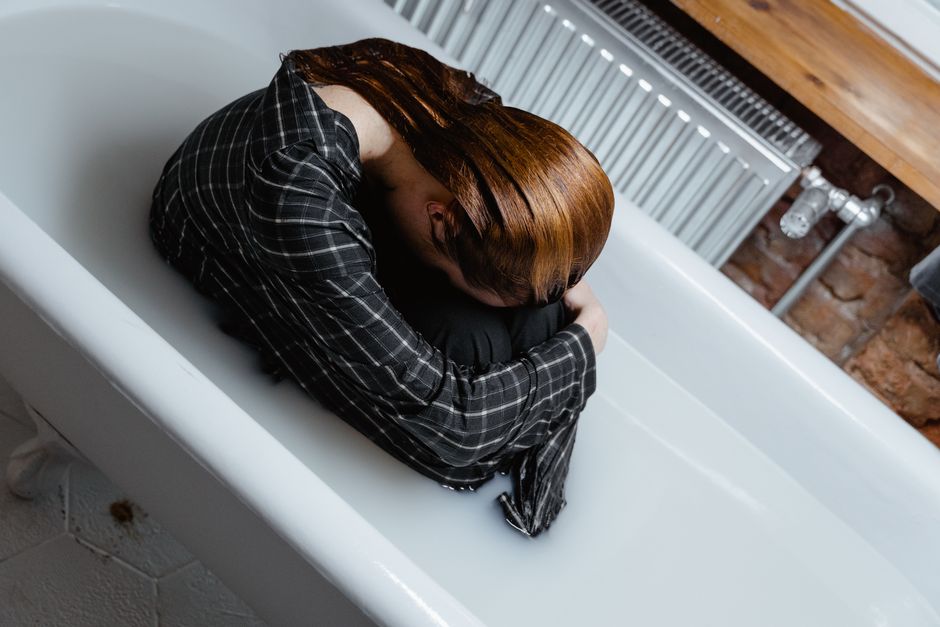
Depression is a real medical condition, not a character flaw or a bad attitude. If you think you may be depressed, the first step is to tell a doctor or a licensed mental health professional how you have been feeling. Depression is treatable, and reaching out is not a sign of weakness. It is the same as getting help for any other health problem.
Many people wait months or years before saying anything, often because they assume they should be able to fix it on their own. That delay is common, and it is also one of the main reasons depression gets worse than it needed to. You do not have to know whether your symptoms meet the bar for a diagnosis before you ask for help. That is the clinician’s job, not yours.
What To Do If Depressed Right Now
If you are in immediate danger of harming yourself, call or text 988 to reach the Suicide and Crisis Lifeline in the United States, or go to the nearest emergency room. This line is free and available 24 hours a day.
If you are not in immediate danger, the next step is smaller and more concrete: make one appointment. A primary care doctor is a reasonable place to start. So is a therapist, psychologist, or psychiatrist. Primary care physicians routinely screen for and treat depression, so you do not need a referral to a specialist to begin.
Before that appointment, it helps to write down a few things. How long have you felt this way? Has your sleep changed? Your appetite? Have you lost interest in things you used to enjoy? Have you had thoughts of death or self-harm? These details help a clinician tell the difference between depression and other conditions that can look similar, such as thyroid problems, anemia, or the effects of a medication.
What if you cannot get an appointment soon?
Ask to be placed on a cancellation list. Ask whether the practice offers telehealth visits, which often have shorter waits. Community health centers and some employee assistance programs offer faster access than many people expect. If cost is the barrier, community mental health centers generally charge on a sliding scale based on income.
What Are the Symptoms of Depression?
Depression is not the same as sadness. Sadness is a normal response to loss or disappointment and usually fades with time. Depression is a persistent change in how the brain regulates mood, sleep, energy, and interest, and it lasts for weeks or longer.
To meet the clinical definition of a major depressive episode, a person must have five or more of the following symptoms for at least two weeks, and at least one of them must be depressed mood or loss of interest or pleasure:
- Depressed mood most of the day, nearly every day
- Markedly reduced interest or pleasure in almost all activities
- Significant weight change or appetite change
- Sleeping far too little or far too much
- Restlessness or slowed movement noticeable to others
- Fatigue or loss of energy nearly every day
- Feelings of worthlessness or excessive guilt
- Trouble concentrating or making decisions
- Recurrent thoughts of death or suicide
These criteria come from the Diagnostic and Statistical Manual of Mental Disorders, the standard reference used by clinicians in the United States. They exist to guide diagnosis, not to let you diagnose yourself. A clinician also checks whether the symptoms are caused by a substance, a medication, or another medical condition.
One point worth clearing up: depression and grief can look almost identical. Grief usually comes in waves and is often tied to thoughts of the person who died. Depression tends to be more constant and more global, affecting self-worth across the board. The two can also occur together, which is why a professional assessment matters.
What Treatments Actually Work for Depression?
Several treatments have solid evidence behind them. The most studied are psychotherapy, antidepressant medication, and the combination of the two. For mild to moderate depression, therapy alone is often a reasonable first choice. For moderate to severe depression, medication plus therapy generally produces better results than either one alone.
Among talk therapies, cognitive behavioral therapy has the largest body of research support. It focuses on identifying and changing patterns of thought and behavior that keep depression going. Interpersonal therapy and behavioral activation also have good evidence. Many people find that the specific type of therapy matters less than finding a therapist they can work with honestly.
Antidepressants are not a quick fix. They usually take several weeks before a person notices a real difference, and the first medication tried does not work for everyone. Finding the right one sometimes takes more than one attempt. Side effects vary by drug and by person, and any change in dose or medication should be made with a prescriber, never stopped abruptly on your own.
A note on a widely repeated claim: the idea that depression is caused by a simple chemical imbalance in serotonin has been questioned in recent research reviews. That does not mean antidepressants do not work. It means the explanation for why they work is more complicated than a single neurotransmitter being low, and the biological picture is still being worked out.
What about treatment that does not respond?
Some people do not improve after trying several treatments. This is called treatment-resistant depression, and it is not a dead end. Options include switching or combining medications, adding a different type of therapy, and in some cases brain stimulation treatments such as transcranial magnetic stimulation or electroconvulsive therapy. These are established clinical options, though they are typically considered after other approaches have been tried. A psychiatrist is the right person to discuss them.





What Can You Do Day to Day While Getting Help?
Self-care does not replace treatment, but it can support it. The evidence is strongest for a few specific things.
Sleep on a regular schedule. Going to bed and waking at roughly the same time helps regulate the body clock, which is closely tied to mood. Sleep problems and depression feed each other in both directions.
Move your body. Exercise has been studied as a treatment for depression, and the evidence suggests it can help, particularly for mild to moderate symptoms. The effect is generally modest, and it is best thought of as one part of a plan rather than a substitute for therapy or medication.
Stay connected to at least one person. Isolation tends to deepen depression. It does not have to be a big social life. One honest conversation a week with someone you trust matters.
Limit alcohol. Alcohol is a depressant and can worsen symptoms and interfere with sleep and with antidepressants.
Break tasks into very small steps. When motivation is low, a task like “clean the house” is overwhelming. “Put five dishes in the sink” is doable. This is a core idea behind behavioral activation.
What does not help
Several things are marketed for mood but have little or no solid evidence behind them. These include most over-the-counter “mood support” supplements, which are not held to the same standards as prescription drugs. If you are considering a supplement, tell your doctor, because some interact with antidepressants.
Willpower alone is also not a treatment. Telling a depressed person to “just try harder” misunderstands the condition. Depression affects the very systems a person would need to use to push through it.
How Long Does Depression Last and Does It Come Back?
An untreated major depressive episode can last months or longer. With treatment, many people notice meaningful improvement within several weeks, though full recovery often takes longer and varies widely from person to person.
Depression does tend to recur. People who have had one episode are at higher risk of another, which is why some clinicians recommend continuing treatment for a period after symptoms improve rather than stopping as soon as someone feels better. This is one of the most common reasons people relapse.
If you have been treated and feel better, do not stop medication or therapy on your own without talking to your clinician first. Tapering is often done gradually for a reason.
When Should You Get Emergency Help?
Get emergency help immediately if you are having thoughts of hurting yourself or someone else, if you have a plan, or if you feel you cannot keep yourself safe. Call or text 988, call 911, or go to an emergency room. Do not wait to see if the feeling passes.
Other signs that need urgent attention include hearing or seeing things others do not, feeling unable to care for yourself, or rapidly worsening symptoms. These are not signs of personal failure. They are medical situations that need medical care.
Frequently Asked Questions
Can depression go away without treatment?
Some episodes do improve on their own over time, but there is no reliable way to predict whose will. Because untreated depression can worsen and carries real risks, professional evaluation is the safer path.
Should I see a therapist or a doctor first?
Either is a reasonable starting point. A primary care doctor can screen for depression, rule out other causes, and prescribe medication, while a therapist provides talk therapy; many people benefit from both.
How long do antidepressants take to work?
Most people need several weeks before noticing a real change, and the first medication tried does not work for everyone. Any adjustment to dose or medication should be made with your prescriber.
What should I do if I have thoughts of suicide?
Call or text 988 in the United States, call 911, or go to the nearest emergency room right away. Do not wait to see whether the feeling passes on its own.
