
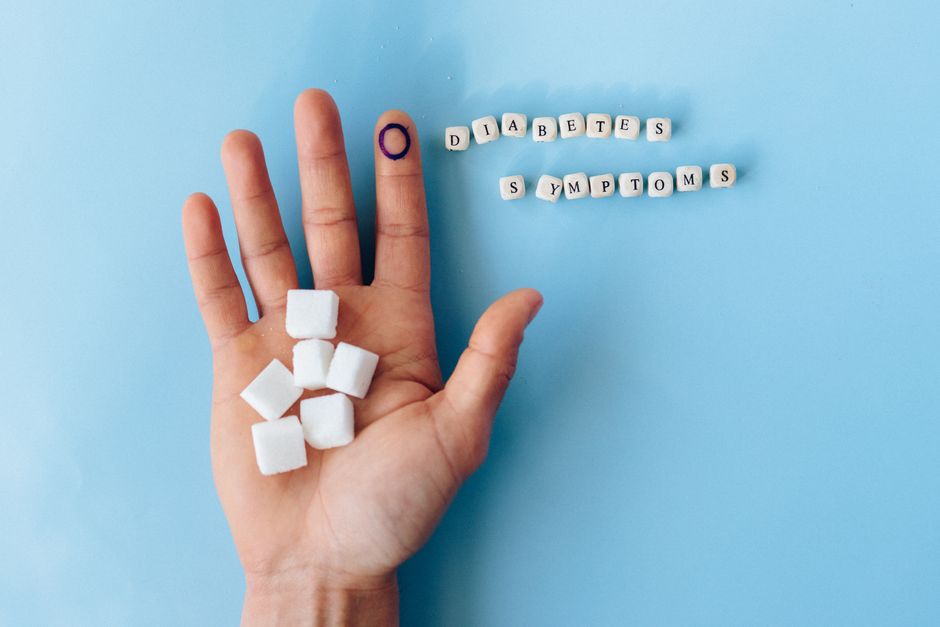
Low blood sugar, or hypoglycemia, happens when blood glucose drops below 70 mg/dL. For most people, the fix is the “15-15 rule”: eat 15 grams of fast-acting carbohydrate, wait 15 minutes, and check your blood sugar again. If it is still below 70 mg/dL, repeat the process. Once your level returns to normal, eat a small snack with protein or complex carbs to keep it stable.
What Are the First Signs of Low Blood Sugar?
The body gives clear warning signs when blood sugar drops. These symptoms can come on quickly, sometimes within minutes. The earliest signs are often shaky hands, sweating, and a rapid heartbeat.
Other common signs include hunger, dizziness, confusion, and irritability. Some people describe feeling anxious or having trouble concentrating. Blurry vision and weakness can also occur. If blood sugar drops very low, a person may lose consciousness or have a seizure.
Not everyone experiences the same symptoms. Some people have no warning signs at all, a condition called hypoglycemia unawareness. This is more common in people who have had diabetes for many years or who take certain medications.
What To Do For Low Blood Sugar Signs Treatment: The 15-15 Rule
The 15-15 rule is the standard first-line treatment for mild to moderate hypoglycemia. It is simple, effective, and recommended by major diabetes organizations.
Step one: consume 15 grams of fast-acting carbohydrate. This means something that raises blood sugar quickly, not slowly. Good options include:
- 4 glucose tablets (check the label for exact grams)
- 1/2 cup of fruit juice or regular soda
- 1 tablespoon of honey or sugar
- 3 to 4 hard candies, chewed
- 1 small tube of glucose gel
Step two: wait 15 minutes. Do not eat more during this time. Step three: check your blood sugar again. If it is still below 70 mg/dL, repeat the 15 grams of carbohydrate.
Once your blood sugar is back to normal, eat a snack that includes protein or complex carbohydrates. Examples include a handful of nuts, a piece of cheese, or half a sandwich. This helps prevent your blood sugar from dropping again.
Avoid foods with fat or protein as the first treatment for low blood sugar. Chocolate, ice cream, and peanut butter slow down sugar absorption. They take too long to raise blood glucose in an emergency.
How to Treat Severe Low Blood Sugar
Severe hypoglycemia means a person cannot treat themselves. They may be unconscious, having a seizure, or too confused to swallow safely. This is a medical emergency.
If the person is unconscious or unable to swallow, do not give food or liquid. They could choke. Instead, call emergency services right away.
If the person has a glucagon emergency kit, use it. Glucagon is a prescription hormone that raises blood sugar. It comes as an injectable or a nasal powder. Family members and caregivers should know how to use it before an emergency happens.
After giving glucagon, turn the person on their side. This prevents choking if they vomit. Stay with them until emergency help arrives.
If the person is awake and able to swallow but too confused to manage treatment, you may guide them through the 15-15 rule. Do not leave them alone until their symptoms improve.


What Causes Low Blood Sugar?
In people with diabetes, low blood sugar is most often caused by too much insulin or other glucose-lowering medication. Skipping a meal, eating less than usual, or exercising more than normal can also trigger it. Alcohol, especially on an empty stomach, is another common cause.
In people without diabetes, hypoglycemia is less common but still possible. It can happen after a large meal high in refined carbohydrates, known as reactive hypoglycemia. It can also be caused by certain medications, liver disease, kidney disorders, or hormonal deficiencies.
A rare cause is an insulinoma, a small tumor in the pancreas that produces excess insulin. This is uncommon but should be considered if low blood sugar happens regularly without an obvious cause.
How to Prevent Low Blood Sugar Episodes
Prevention starts with knowing your patterns. If you have diabetes, check your blood sugar regularly, especially before meals, before exercise, and at bedtime. This helps you catch drops before they become severe.
Eat regular meals and snacks. Skipping meals is a common trigger. If you take insulin or other diabetes medications, coordinate your eating schedule with your medication timing. Your healthcare provider can help you adjust doses if you are having frequent lows.
Carry fast-acting carbohydrate with you at all times. Glucose tablets, juice boxes, or hard candies in your bag or car can be lifesaving. Check expiration dates on glucose products and replace them as needed.
Be careful with alcohol. Drinking on an empty stomach can cause blood sugar to drop hours later. If you drink, eat food beforehand and monitor your blood sugar more frequently.
Exercise can lower blood sugar for up to 24 hours after you finish. Check your levels before and after activity, and have a snack if needed.
When to See a Doctor About Low Blood Sugar
Occasional mild low blood sugar is manageable at home. But frequent episodes warrant medical attention. If you are having low blood sugar more than a few times a week, talk to your doctor.
You should also see a doctor if you have low blood sugar symptoms but do not have diabetes. Recurrent episodes need evaluation to identify the cause. Your doctor may order blood tests, including a fasting glucose test or an oral glucose tolerance test.
Anyone who has had a severe episode — one requiring help from another person — should discuss treatment adjustments with their healthcare team. This may include changing medication doses, meal plans, or adding a glucagon kit to your routine.
Frequently Asked Questions
What is the fastest way to raise blood sugar?
Fast-acting carbohydrate is the fastest way to raise blood sugar. Glucose tablets, fruit juice, regular soda, honey, or hard candies work within 10 to 15 minutes.
Can low blood sugar happen without diabetes?
Yes, low blood sugar can happen without diabetes. Causes include certain medications, liver or kidney disease, hormonal deficiencies, and reactive hypoglycemia after meals.
How long does it take to recover from low blood sugar?
With treatment, blood sugar usually returns to normal within 15 minutes. Symptoms may take a bit longer to fully resolve, especially if the episode was severe.
What should you eat after treating low blood sugar?
Eat a snack with protein and complex carbohydrates after your blood sugar recovers. Examples include cheese and crackers, a half sandwich, or an apple with peanut butter.
