
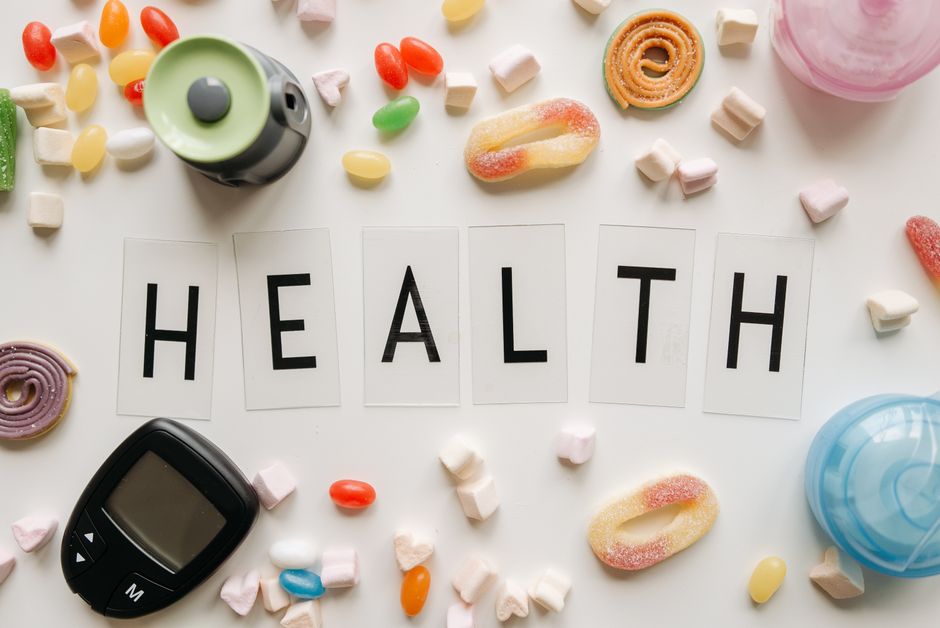
If your blood sugar keeps dropping, you are likely experiencing hypoglycemia, which means your blood glucose level has fallen below the normal range. For most people, this means a reading under 70 mg/dL. The immediate fix is to consume 15 grams of fast-acting carbohydrates, such as glucose tablets, juice, or regular soda, and then recheck your blood sugar after 15 minutes. For recurring drops, the cause matters more than the quick fix, and working with a doctor to adjust medications, meal timing, or insulin doses is usually the necessary step.
What Counts as a Blood Sugar Drop?
Blood sugar below 70 mg/dL is the standard clinical definition of hypoglycemia. Some people feel symptoms at slightly higher levels, especially if their body is used to higher glucose readings. Others can drop below 70 mg/dL and feel nothing at all, a condition called hypoglycemia unawareness.
Symptoms typically include shakiness, sweating, confusion, irritability, rapid heartbeat, and hunger. If blood sugar falls much lower, it can cause blurred vision, difficulty speaking, seizures, or loss of consciousness. These severe symptoms require immediate treatment and sometimes emergency medical help.
The body needs glucose to function. The brain especially depends on it, which is why mental confusion is such a common symptom. When glucose levels drop, the body releases hormones like glucagon and epinephrine to raise blood sugar back up. This is why some people feel shaky and sweaty — those are effects of epinephrine, not the low sugar itself.
Why Does My Blood Sugar Keep Dropping And What To Do
The most common cause of recurring low blood sugar is diabetes medication. Insulin and sulfonylurea drugs lower blood sugar directly. If the dose is too high for what you ate, or if you took it at the wrong time, blood sugar can fall too far. This is the most frequent reason people with diabetes experience repeated episodes.
For people without diabetes, the causes are different. A rare condition called insulinoma, a small tumor of the pancreas that produces excess insulin, can cause repeated episodes. Certain medications, like some antibiotics or quinine, can also lower blood sugar. Alcohol, especially on an empty stomach, can block the liver from releasing stored glucose and cause a drop hours later.
There is also a condition called reactive hypoglycemia, where blood sugar drops two to four hours after a meal. This is not fully understood and is less common than people think. Some research suggests it may relate to how quickly the body releases insulin after eating, but the evidence is not conclusive. If you suspect reactive hypoglycemia, a doctor can help you test for it properly.
What to do depends on whether you have diabetes. If you do, talk to your doctor about your medication doses and timing. Never adjust insulin or other diabetes drugs on your own. If you do not have diabetes, you need a medical evaluation to rule out more serious causes before assuming it is dietary.
How to Treat a Blood Sugar Drop Right Now
The 15-15 rule is the standard approach for mild hypoglycemia. Eat 15 grams of fast-acting carbohydrate, wait 15 minutes, and check your blood sugar again. If it is still below 70 mg/dL, repeat the process. Once your blood sugar is back in range, eat a small snack with protein or complex carbohydrate if your next meal is more than an hour away.
Good sources of 15 grams of fast-acting carbohydrate include:
- 4 glucose tablets
- 1/2 cup of orange juice or regular soda
- 1 tablespoon of honey or sugar
- Small handful of raisins
Do not treat a low with chocolate, ice cream, or other foods high in fat. Fat slows down how quickly the sugar reaches your bloodstream. These foods are not fast-acting and will delay recovery.
If you are unconscious or unable to swallow, do not give food or drink. This is a medical emergency. Someone should call emergency services. If you have glucagon available, someone trained to use it can administer it. Glucagon is a prescription medication that raises blood sugar by telling the liver to release stored glucose.





When Low Blood Sugar Is Not from Diabetes
If you do not have diabetes and your blood sugar keeps dropping, the cause is worth investigating. The first step is confirming that the symptoms actually line up with low blood sugar readings. Many conditions, like anxiety or heart rhythm issues, can mimic the symptoms of hypoglycemia without blood sugar actually being low.
Your doctor may recommend a test where you fast under medical supervision while your blood sugar is checked. This is the most reliable way to diagnose true hypoglycemia. If your blood sugar drops during the fast and symptoms appear at the same time, that is strong evidence of a real problem. If symptoms appear but blood sugar stays normal, the issue is likely something else.
Insulinoma is rare, affecting about 1 in 250,000 people per year. But it is one of the most important causes to rule out because it is treatable. Surgery to remove the tumor usually cures the condition. Other causes include adrenal insufficiency, severe liver disease, or certain critical illnesses, but these are typically accompanied by other symptoms that point to the underlying problem.
Reactive Hypoglycemia: What the Evidence Actually Shows
Reactive hypoglycemia is a diagnosis some doctors use when blood sugar drops after meals in people without diabetes. The evidence base for this condition is limited. Some studies have found that certain people do experience post-meal blood sugar dips that cause symptoms, but the condition is not well defined and the research is not conclusive.
If your doctor suspects reactive hypoglycemia, the usual advice is to eat smaller, more frequent meals and include protein and fiber with carbohydrates. This slows digestion and may prevent the sharp insulin spike that leads to a later drop. Some evidence supports this approach, but large clinical trials confirming its effectiveness are lacking.
Some people try low-carbohydrate diets to manage this condition. This can help in the short term, but there is no strong evidence that it is a lasting solution. If you are considering this, discuss it with your doctor first. Sudden diet changes can affect your blood sugar in unpredictable ways.
Can You Prevent Blood Sugar Drops?
Prevention depends on the cause. For people with diabetes, the most effective strategy is matching medication to food intake and activity level. This takes time and tracking. Keeping a log of your blood sugar readings, meals, and physical activity helps your doctor see patterns and make precise adjustments.
Eating regular meals and snacks can help prevent drops if your body has trouble maintaining glucose between meals. For people taking insulin, this is often essential. Skipping meals when you are on insulin or sulfonylureas is one of the fastest ways to trigger a low.
Alcohol is a common trigger for delayed hypoglycemia. Drinking on an empty stomach or after exercise can cause blood sugar to drop hours later, sometimes overnight. If you drink alcohol, eating food beforehand and checking your blood sugar before bed are reasonable precautions. This is especially important for people with diabetes.
Exercise also affects blood sugar. Physical activity uses glucose, so blood sugar can drop during or after a workout. Checking your blood sugar before exercise and having a snack available is standard advice for people with diabetes. Some people need to adjust their medication before exercise, but this should always be done under a doctor’s guidance.
When to See a Doctor
If you have one mild episode of low blood sugar and it resolves quickly, you may not need to see a doctor right away. But if it happens more than once, or if you have had a severe episode where you needed help from another person, you should make an appointment. Recurring lows are a sign that your current treatment plan is not working well enough.
For people without diabetes, any episode of confirmed low blood sugar deserves a medical evaluation. This is not something to manage on your own with diet changes. The causes can range from harmless to serious, and only testing can tell the difference.
Seek emergency care immediately if you lose consciousness, have a seizure, or cannot wake someone who has low blood sugar. Do not wait to see if it passes. Severe hypoglycemia is a medical emergency that can cause lasting harm if not treated promptly.
Frequently Asked Questions
What should I eat when my blood sugar drops?
Eat 15 grams of fast-acting carbohydrate like glucose tablets, juice, or regular soda. Recheck your blood sugar after 15 minutes and repeat if it is still below 70 mg/dL.
Can low blood sugar happen without diabetes?
Yes, but it is less common. Causes can include certain medications, alcohol, rare tumors called insulinomas, or other underlying medical conditions that need evaluation.
How low is too low for blood sugar?
Blood sugar below 70 mg/dL is considered hypoglycemia. Levels below 54 mg/dL are considered clinically significant and require immediate treatment.
Is reactive hypoglycemia a real condition?
The evidence is mixed, but some people do experience blood sugar drops after meals. Diagnosis requires confirming that symptoms match actual low blood sugar readings, not just symptoms alone.
