
Itchy skin is a signal, not a disease. Something is irritating your skin or your nerves, and the itch is your body’s way of telling you to pay attention. Most everyday itching comes from dry skin, contact with an irritant, or a mild allergic reaction, and it often settles with basic skin care. When itching lasts more than a few weeks, spreads, or comes with a rash, swelling, or other symptoms, it needs a doctor’s look because the cause may be internal rather than on the surface.
What Causes Itchy Skin?
Itch has many triggers, and they fall into a few broad groups. Identifying which group you are in is the first step to relief.
The most common cause is dry skin, especially in winter or in low-humidity climates. Skin that lacks moisture develops tiny cracks in its outer layer, and those cracks expose nerve endings that fire itch signals. This type of itch tends to be worse on the legs, arms, and flanks.
Contact irritants and allergens are the next big category. Soaps, detergents, fragrances, nickel, latex, and some plants can irritate skin directly or trigger an allergic response. The itch usually appears where the substance touched you, though it can spread.
Skin conditions themselves cause itch. Eczema (atopic dermatitis) produces dry, inflamed, intensely itchy patches. Psoriasis causes thick, scaly plaques that itch or burn. Fungal infections like athlete’s foot and ringworm itch and usually come with a visible rash.
Internal causes matter too. Liver disease, kidney disease, thyroid disorders, iron deficiency, and some blood conditions can all produce generalized itching without any rash. This is why persistent itching with no visible cause deserves medical attention. It is not always a skin problem.
Nerve-related itch is a separate category. Shingles, diabetes-related nerve damage, and multiple sclerosis can all cause itching that originates in the nervous system rather than the skin.
What To Do For Itchy Skin? Causes And Relief Tips
Start with the basics: stop scratching, cool the skin, and restore moisture. These three steps address most mild itching.
Scratching feels good for a moment but makes everything worse. It damages the skin barrier, triggers more inflammation, and creates a cycle where the itch returns stronger. Breaking that cycle is the single most useful thing you can do.
For immediate relief, a cool compress or a cool bath can calm nerve endings. Heat tends to worsen itch, so lukewarm water is better than hot. Adding colloidal oatmeal to a bath is a traditional remedy that some evidence supports for mild irritation, though it is not a treatment for underlying conditions.
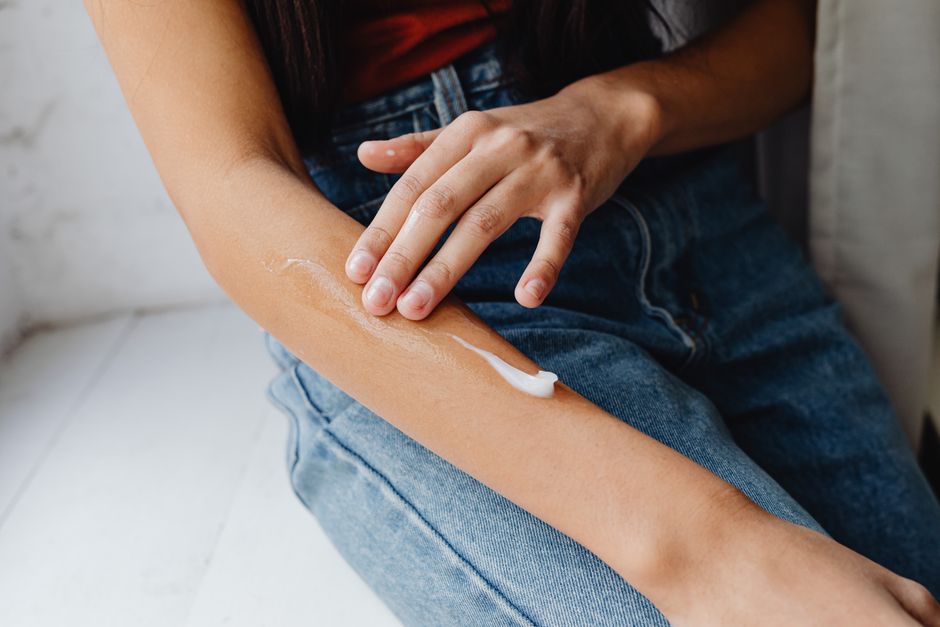
Moisturizing is not optional. It is the foundation of itch management. Apply a thick, fragrance-free moisturizer within three minutes of bathing, while skin is still damp. This traps water in the outer layer and reduces the dryness that drives most everyday itch.
Over-the-counter options include:
- Hydrocortisone cream (1%) for small, inflamed, itchy areas. Short-term use only unless a doctor says otherwise.
- Oral antihistamines for itch driven by histamine, such as hives or insect bites. They work less well for dry skin or nerve-related itch.
- Calamine lotion for mild irritation and insect bites.
- Cooling agents like menthol, which distract nerve endings and provide temporary relief.
If these steps do not help within a couple of weeks, or if the itch is severe enough to disrupt sleep, see a doctor. Prescription treatments exist, and finding the right one depends on the cause.
When Should You See a Doctor About Itching?
See a doctor if itching lasts more than two weeks, covers most of your body, or comes with weight loss, fever, night sweats, or fatigue. These signs suggest a cause beyond the skin.
Other reasons to seek medical care:
- Itching that disrupts sleep or daily life
- A rash that is spreading, blistering, or infected
- Itching with no visible rash, especially if it is widespread
- Yellowing of the skin or eyes, which can point to liver problems
- Swelling of the face, lips, or throat, which is a medical emergency
Blood tests can check for liver, kidney, thyroid, and blood disorders. If a skin condition is suspected, a dermatologist can often identify it by appearance alone, though a skin biopsy is sometimes needed.





How Do You Stop the Itch-Scratch Cycle?
The itch-scratch cycle is a loop where scratching damages skin, which causes more itch, which makes you scratch more. Breaking it requires interrupting the loop at multiple points.
Keep nails short and smooth. Some people wear cotton gloves at night to prevent unconscious scratching during sleep. Cooling the skin with a cold pack or a cool shower can override the itch signal temporarily.
Stress makes itching worse. This is not a psychological explanation for a physical problem. Stress hormones can lower the itch threshold, meaning the same stimulus feels itchier when you are anxious. Relaxation techniques, adequate sleep, and regular exercise can all help, though they are supportive measures rather than treatments.
If you cannot stop scratching a specific spot, covering it with a bandage or dressing can help. For children, distraction and keeping hands busy often works better than telling them not to scratch.
What Skin Care Habits Reduce Itching?
Gentle skin care reduces itch by protecting the skin barrier. The barrier is the outer layer of skin that keeps moisture in and irritants out. When it is damaged, itch increases.
Use fragrance-free, dye-free cleansers and moisturizers. Fragrance is one of the most common skin irritants, and “unscented” products can still contain masking fragrances, so look for “fragrance-free” on the label.
Take short, lukewarm showers or baths. Hot water strips oils from the skin and worsens dryness. Limit bathing to once a day for most people, and use a mild, non-soap cleanser.
Pat skin dry instead of rubbing. Apply moisturizer immediately after. Ointments and creams hold moisture better than lotions, which are mostly water and evaporate quickly.
Use a humidifier in dry environments. Keep indoor humidity between 30% and 50% if possible. Wear soft, breathable fabrics like cotton, and avoid wool and synthetic materials directly against the skin.
Wash new clothing before wearing it. Residual chemicals from manufacturing can irritate skin.
Which Home Remedies Actually Help?
Some home remedies have modest evidence behind them. Others are popular but unproven. Here is an honest breakdown.
Colloidal oatmeal has been used for decades and some studies support its use for mild itch and irritation. It is generally recognized as safe for most people.
Cool compresses work by numbing nerve endings temporarily. This is simple physics, not a cure, but it provides real short-term relief.
Aloe vera gel can soothe mild irritation, though evidence for itch specifically is limited. It is not a treatment for eczema or psoriasis.
Apple cider vinegar is often recommended online, but it can irritate skin and worsen the barrier damage that causes itch. No clinical evidence supports it for itching.
Essential oils like lavender and chamomile are marketed for itch, but they can cause allergic contact dermatitis in some people. The evidence for benefit is weak, and the risk of irritation is real.
Baking soda baths are a traditional remedy. They may provide temporary relief, but they can also dry the skin if used too often.
No home remedy treats an underlying medical cause. If itching persists, home remedies are not a substitute for diagnosis.
Does Diet Affect Itchy Skin?
Diet affects itching only when a specific food allergy or deficiency is involved. For most people, changing diet will not fix itchy skin.
True food allergies can cause hives and itching, but these reactions usually happen within minutes to hours of eating and come with other symptoms like swelling, vomiting, or difficulty breathing. They are not a hidden cause of chronic itching.
Nutritional deficiencies can cause itching. Iron deficiency, for example, is linked to itchy skin in some people, and correcting the deficiency resolves the itch. This is diagnosed by a blood test, not by guessing.
There is no evidence that a general “anti-itch diet” works for people without a specific allergy or deficiency. Elimination diets should only be done under medical supervision, especially in children, because they can lead to nutritional gaps.
What About Itching Without a Rash?
Itching with no visible rash is a different problem from itchy skin with a rash. It often points to an internal cause.
Conditions that can cause generalized itching without a rash include liver disease, kidney failure, thyroid problems, iron deficiency, and some cancers, particularly lymphoma. This does not mean itching without a rash is usually cancer. Most cases have benign explanations, but the possibility is why a doctor’s evaluation matters.
Medications can also cause itching without a rash. Opioid painkillers, some blood pressure medications, and certain antibiotics are known triggers. If itching started after a new medication, tell your doctor.
Dry skin remains the most common cause of rash-free itching, especially in older adults. As skin ages, it produces less oil and becomes thinner, making dryness and itch more likely.
Frequently Asked Questions
What is the fastest way to stop itchy skin?
A cool compress and a thick, fragrance-free moisturizer applied to damp skin provide the fastest relief for most everyday itching. If the itch is severe or does not improve within two weeks, see a doctor.
Can itchy skin be a sign of something serious?
Yes, persistent itching without a rash can sometimes signal liver, kidney, thyroid, or blood disorders. It is not usually serious, but it should be evaluated by a doctor if it lasts more than two weeks.
Does drinking more water help itchy skin?
Staying hydrated supports overall skin health, but drinking extra water does not directly treat itching caused by dry skin or medical conditions. Moisturizing the skin from the outside is more effective for dryness-related itch.
Why does scratching make itching worse?
Scratching damages the skin barrier and triggers inflammation, which increases itch signals and makes you want to scratch more. This is called the itch-scratch cycle, and breaking it is key to relief.
