
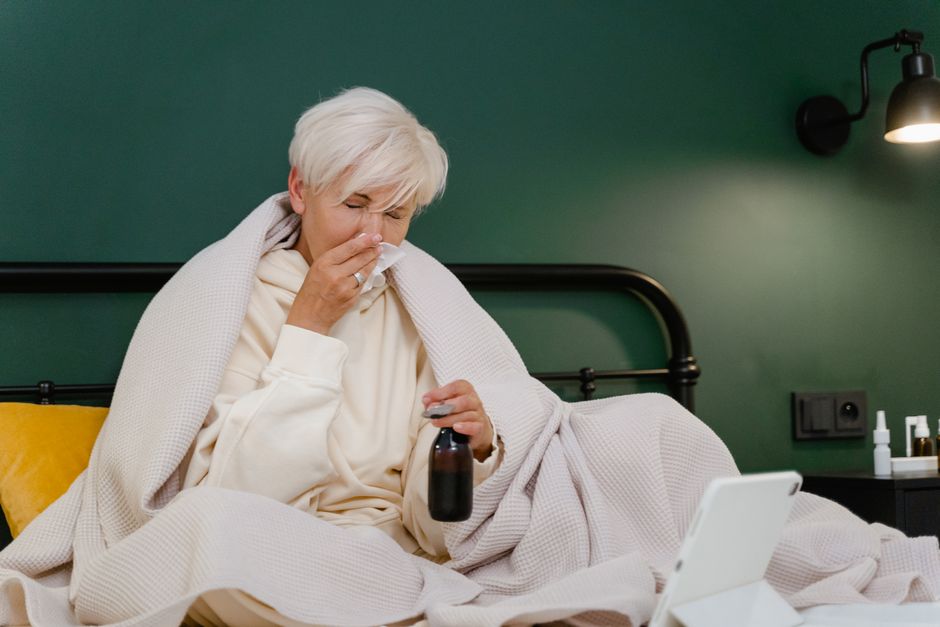
A common cold usually clears up on its own within 7 to 10 days. There is no cure, but you can manage symptoms with rest, fluids, and over-the-counter remedies that target specific complaints like congestion, sore throat, or cough. The main goal is to support your immune system while your body fights off the virus, and to know when symptoms warrant a call to a doctor.
What Actually Causes a Common Cold?
More than 200 different viruses can cause the common cold. Rhinoviruses are the most frequent culprits, responsible for a large share of cases. Coronaviruses, respiratory syncytial virus (RSV), and adenoviruses also cause colds.
These viruses infect the upper respiratory tract — your nose and throat. The infection triggers inflammation and excess mucus production. That is why you get a runny nose, congestion, and sneezing. The symptoms are your immune system responding to the invader, not the virus damaging tissue directly.
Colds spread through droplets when someone coughs or sneezes. They also spread when you touch a contaminated surface and then touch your eyes, nose, or mouth. The virus can survive on hard surfaces for several hours.
What To Do For Common Cold: First Steps
Start with the basics the moment symptoms appear. Rest is not optional — it is part of treatment. Your immune system works more efficiently when you are not physically stressed.
Drink plenty of fluids. Water, broth, and warm tea help keep mucus thin and prevent dehydration. Dehydration makes congestion worse and can prolong how awful you feel.
Saline nasal sprays or rinses can relieve nasal congestion without medication. These work by thinning mucus and flushing out irritants. They are safe to use multiple times a day and have no systemic side effects.
Humidified air can ease a sore throat and dry cough. A cool-mist humidifier in your bedroom adds moisture to the air, which soothes irritated airways. Taking a steamy shower can have a similar effect.
Which Over-the-Counter Medications Help?
Over-the-counter cold medicines do not shorten the illness. They only reduce symptoms. Choose products based on your most bothersome symptom rather than taking a multi-symptom “cold and flu” formula that treats everything at once.
For fever, body aches, or headache, acetaminophen or ibuprofen are effective. Follow the dosing instructions on the label exactly. Never take both at the same time unless a doctor tells you to.
For nasal congestion, decongestants like pseudoephedrine narrow blood vessels in the nasal passages, reducing swelling. These come as oral pills or nasal sprays. Do not use decongestant nasal sprays for more than 3 days in a row — rebound congestion can occur when the spray wears off.
For cough, the evidence is mixed. Honey has been shown in some studies to reduce nighttime cough in adults and children over age 1. A spoonful before bed may help. Over-the-counter cough suppressants containing dextromethorphan can reduce coughing, but they do not treat the underlying cause.
Antihistamines like diphenhydramine (Benadryl) can dry up a runny nose but cause drowsiness. Newer, non-drowsy antihistamines are less effective for cold symptoms because they work on allergic pathways, not viral inflammation.





What About Zinc, Vitamin C, and Echinacea?
Many people reach for supplements at the first sneeze. The evidence for most of them is limited or mixed.
Vitamin C does not prevent colds in the general population. Some research suggests that taking it regularly may slightly shorten the duration of a cold, but the effect is small — about half a day for adults. Starting vitamin C after symptoms begin does not appear to help.
Zinc lozenges have shown some benefit in reducing cold duration when started within 24 hours of symptom onset. However, the evidence is inconsistent across studies, and the optimal dose and formulation are not established. Zinc lozenges can cause nausea and a bad taste. Long-term use of high-dose zinc can interfere with copper absorption.
Echinacea has been studied extensively with conflicting results. Some trials show a modest benefit; others show none. The preparations used in studies vary widely, making it difficult to draw firm conclusions. If you try it, understand that the evidence does not guarantee any benefit.
No supplement has been proven to cure or reliably prevent the common cold. Be skeptical of products that claim otherwise.
When Should You See a Doctor?
A cold is a viral infection, so antibiotics will not help. Antibiotics treat bacterial infections only. Taking them for a cold contributes to antibiotic resistance and can cause side effects.
Most colds resolve without medical care. But certain symptoms warrant a call to your doctor:
- Fever above 101.3°F (38.5°C) lasting more than 3 days
- Symptoms lasting longer than 10 days without improvement
- Severe headache, facial pain, or sinus pressure
- Shortness of breath, wheezing, or chest pain
- Cough that produces discolored mucus
- Ear pain or signs of an ear infection
These symptoms may indicate a secondary bacterial infection such as sinusitis, bronchitis, or pneumonia. A doctor can evaluate whether you need antibiotics or other treatment.
Children under 3 months with any fever should be evaluated by a doctor promptly. Older adults, pregnant women, and people with chronic conditions like asthma, diabetes, or heart disease should also check with their doctor if symptoms are severe or persistent.
How to Prevent Spreading the Cold
You are contagious from about one day before symptoms start until roughly 5 to 7 days after. During this window, take steps to protect others.
Wash your hands frequently with soap and water for at least 20 seconds. Hand sanitizer with at least 60% alcohol works when soap is unavailable. Avoid touching your face — the virus enters through your eyes, nose, and mouth.
Cover coughs and sneezes with a tissue or your elbow, not your hands. Dispose of used tissues immediately. Disinfect frequently touched surfaces like doorknobs, light switches, and phones.
Stay home from work or school while symptoms are active. This is not just considerate — it reduces the spread of the virus in your community. Most employers expect you to stay home when you are actively sick.
Common Cold Myths You Should Ignore
Several myths about colds persist despite evidence against them. Being cold or wet does not cause a cold. The virus does. You can get a cold in any weather.
Vitamin C megadoses do not prevent colds. Antibiotics do not treat viral infections. “Feed a cold, starve a fever” has no scientific basis — your body needs energy from food regardless of symptoms.
Going outside with wet hair does not make you sick. The only way to catch a cold is exposure to the virus. Cold weather may influence how the virus spreads indoors, but it does not directly cause illness.
One myth that has some basis: exercise during a cold. Mild physical activity is generally fine if symptoms are above the neck — runny nose, sneezing, sore throat. If you have fever, body aches, or chest congestion, rest until those resolve.
How Long Does a Cold Last?
A typical cold runs its course in 7 to 10 days. Symptoms usually peak around days 2 to 4. A lingering cough can persist for up to 2 weeks even after other symptoms resolve.
Smoking or exposure to secondhand smoke can prolong symptoms. Dry indoor air can also make symptoms worse. Keeping hydrated and using a humidifier may help reduce the duration of bothersome symptoms.
If symptoms worsen after day 7 instead of improving, contact your doctor. A cold that seems to get better and then gets worse may indicate a secondary infection.
Frequently Asked Questions
How long is a cold contagious?
You are contagious from about a day before symptoms appear until roughly 5 to 7 days after they start. Stay home while symptoms are active to avoid spreading the virus.
Can I exercise with a cold?
Mild exercise is generally fine if symptoms are limited to your nose and throat. Rest if you have fever, body aches, or chest congestion.
Does vitamin C prevent a cold?
No. Vitamin C does not prevent colds in most people, though regular use may slightly shorten a cold once you have it. Starting it after symptoms begin does not help.
When should I see a doctor for a cold?
See a doctor if you have a fever above 101.3°F for more than 3 days, symptoms lasting over 10 days, shortness of breath, or severe headache or sinus pain. Children under 3 months with any fever need prompt medical evaluation.
