
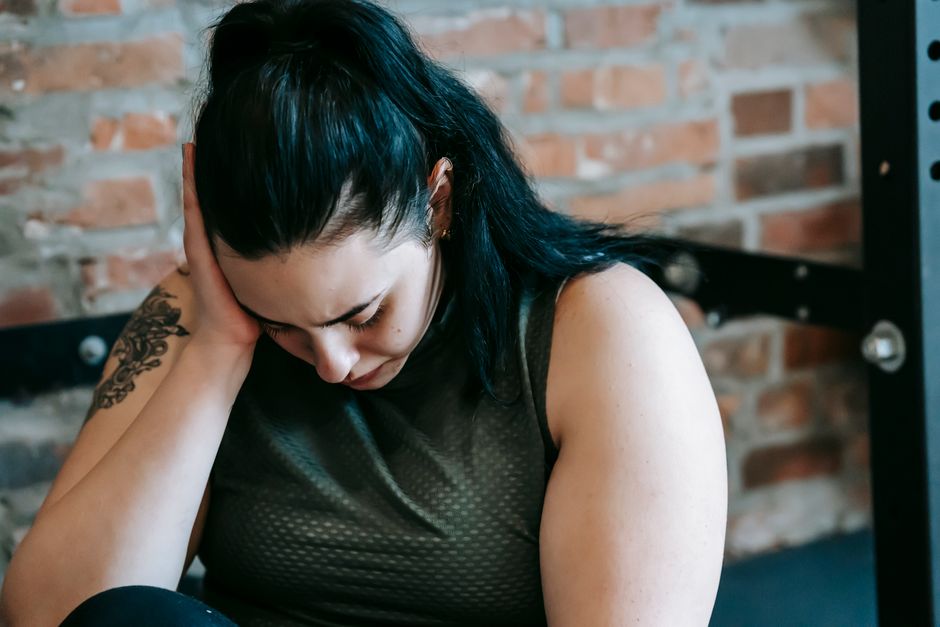
Miscarriage is the most common complication of early pregnancy. It happens in roughly one in four or five pregnancies that are recognized, and most occur before 12 weeks. If you are reading this, you may be recovering from one right now. The first thing to know is that there is no single right way to feel or to heal. Physical recovery usually takes days to a few weeks. Emotional recovery has no fixed timeline, and that is normal.
What to do after a miscarriage comes down to two tracks that run at once: caring for your body while it heals, and caring for your mind while it grieves. Both deserve attention. Neither is more important than the other.
What Happens to Your Body After a Miscarriage?
Your body has to pass the pregnancy tissue and then return to its pre-pregnancy state. How that happens depends on how the miscarriage was managed.
Some miscarriages complete on their own, called expectant management. Others are managed with medication that helps the uterus empty. Others require a procedure, such as a dilation and curettage, sometimes now done with suction. All three approaches are considered reasonable in different situations, and the choice depends on how far along the pregnancy was, whether there are signs of infection, bleeding, and your own preference.
After the tissue passes, the uterus contracts back down. This can cause cramping that feels like strong menstrual cramps. Bleeding is expected. It may be heavier than a normal period at first and then taper off. For most people, bleeding and spotting settle within one to two weeks, though light spotting can come and go a little longer.
Your hormones also shift. Levels of hCG, the hormone produced during pregnancy, fall back to zero. This drop can trigger symptoms that surprise people, including mood swings, breast tenderness that fades, and fatigue. Some people feel a sudden emotional crash as hormone levels fall, separate from grief itself.
Your first period usually returns within four to six weeks after the miscarriage. That range is a general guide, not a rule. If it has been much longer and you have not had a period, it is worth checking in with a clinician.
What Physical Care Do You Need in the Days Afterward?
Physical care after a miscarriage is mostly about rest, watching for warning signs, and giving your body time.
Rest when you are tired. Your body just went through a significant event, whether the miscarriage happened naturally or with medical help. Heavy lifting and intense exercise are usually fine once you feel up to them, but there is no prize for pushing through exhaustion in the first days.
Use pads rather than tampons or a menstrual cup for bleeding until a clinician tells you it is safe. This is standard guidance because the cervix may be slightly open, which can raise the risk of infection from objects placed in the vagina. Avoid putting anything in the vagina, including during sex, until bleeding has stopped and you have been cleared. Some clinicians suggest waiting one to two weeks. Follow the specific advice you are given.
Watch for signs that something is wrong. Seek medical care promptly if you have:
- Heavy bleeding that soaks through a pad in an hour or less for two hours in a row
- Bleeding with large clots, or bleeding that gets heavier instead of lighter
- Fever or chills
- Foul-smelling discharge
- Severe or worsening abdominal pain
- Feeling faint, dizzy, or unusually weak
These can signal infection or retained tissue, both of which need treatment. Do not wait to see if they pass on their own.
Pain relief is usually straightforward. Acetaminophen or ibuprofen can ease cramping. Ibuprofen also reduces inflammation. Follow the label directions, and check with a clinician if you take other medications or have conditions that affect which pain relievers are safe for you.
What About Bleeding, Cramping, and Hormones?
Bleeding and cramping are the two physical symptoms people ask about most, and the range of normal is wide.
Cramping tends to be strongest in the first day or two and then eases. Bleeding often starts heavy and lightens over one to two weeks. Spotting can linger. Some people bleed lightly, some bleed more. If you had a procedure, bleeding is often lighter than with expectant management, but this varies.
The hormonal piece is less discussed and often more confusing. When pregnancy ends, hCG falls. Progesterone and estrogen shift too. The result can be fatigue, headaches, tender breasts, and mood changes that feel out of proportion to what you expected. This is physiology, not weakness.
One detail worth knowing: if you took a pregnancy test shortly after the miscarriage and it was still positive, that does not necessarily mean anything is wrong. hCG can take a few weeks to clear, depending on how far along you were. A clinician can track levels if there is concern about retained tissue. Home tests are not a reliable way to judge whether the miscarriage is complete.





How Do You Care for Your Emotional Health After a Miscarriage?
Grief after a miscarriage is real grief, and it does not follow a schedule. There is no “right” amount of sadness, and there is no deadline for feeling better.
Give yourself permission to feel whatever comes. Some people feel deep sadness. Some feel anger, guilt, numbness, or relief, especially if the pregnancy was complicated or unplanned. All of these are common. Guilt is especially common, and it is rarely deserved. Most miscarriages are caused by chromosomal problems in the developing embryo that could not have been prevented by anything the parent did or did not do.
Talk to someone. A partner, a friend, a family member, a therapist, or a support group. Many people find that naming what happened out loud helps, even when it is hard. If you do not have someone you can talk to, miscarriage support organizations and hospital bereavement services exist for exactly this.
Be gentle with the milestones. A due date, a holiday, or the anniversary of the loss can bring grief back unexpectedly. That is normal and does not mean you are not healing.
Know when to seek more help. If sadness, anxiety, or intrusive thoughts are interfering with sleep, eating, work, or your ability to function for more than a few weeks, talk to a clinician. Perinatal mood disorders, including depression and anxiety after pregnancy loss, are recognized conditions and are treatable. Asking for help is not a sign of weakness.
When Can You Try Again, and What Does Recovery Look Like?
There is no single correct waiting time, and guidance on this has shifted over the years.
Many clinicians once advised waiting a set number of months. Current thinking is more flexible. If you feel physically and emotionally ready, and you have been cleared by a clinician, you can try again when you choose. Some people want to try right away. Others need time. Both are reasonable.
One practical point: it can be hard to date a new pregnancy if you conceive before your first period returns. Waiting for one normal period can make dating easier. This is a practical consideration, not a medical requirement.
If you have had two or more miscarriages, or if you have other risk factors, it is worth talking to a clinician about whether any testing is appropriate. Recurrent miscarriage affects a small share of people, and some causes are identifiable and treatable. Most people who have one miscarriage go on to have a healthy pregnancy later.
What Should You Not Do After a Miscarriage?
Do not blame yourself. The most common cause of early miscarriage is a chromosomal abnormality in the embryo, which happens by chance and cannot be prevented.
Do not rush your body. Do not put anything in the vagina, including tampons and during sex, until bleeding has stopped and you are cleared. Do not ignore warning signs like heavy bleeding, fever, or foul-smelling discharge.
Do not compare your recovery to anyone else’s. Physical healing and grief both vary widely. A friend who felt fine in a week and a friend who needed months are both within the range of normal.
Do not assume you did something wrong. Exercise, sex, stress, and most everyday activities do not cause miscarriage. If you have been told otherwise, it is worth getting a second opinion.
Frequently Asked Questions
How long does bleeding last after a miscarriage?
Bleeding usually lasts one to two weeks and tends to taper off, though light spotting can come and go a little longer. Seek care if you soak a pad in an hour or less for two hours in a row, or if bleeding gets heavier instead of lighter.
When can I try to get pregnant again after a miscarriage?
Many clinicians say you can try again once you feel physically and emotionally ready and have been cleared. Some people wait for one normal period, which can make dating a new pregnancy easier, but this is a practical choice rather than a medical requirement.
Is it normal to feel depressed after a miscarriage?
Sadness, anxiety, and grief are common and expected after pregnancy loss. If these feelings interfere with sleep, eating, work, or daily functioning for more than a few weeks, talk to a clinician, because treatable perinatal mood conditions can follow a miscarriage.
What are the warning signs I should not ignore after a miscarriage?
Heavy bleeding, fever, chills, foul-smelling discharge, severe pain, or feeling faint can signal infection or retained tissue and need prompt medical care. Do not wait to see if these symptoms resolve on their own.
