
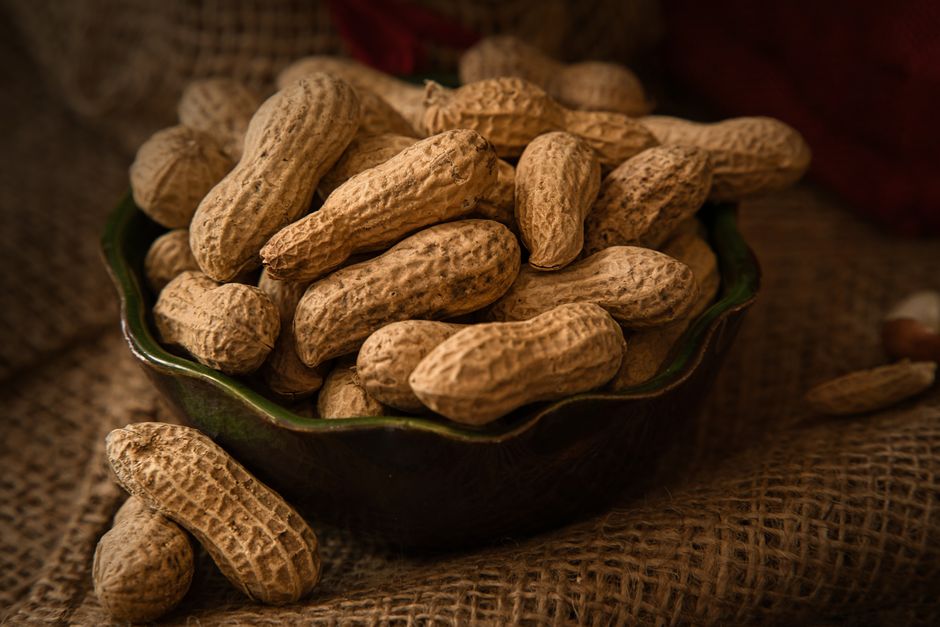
Living with a peanut allergy means more than just skipping peanut butter sandwiches. Peanuts hide in many foods you would never suspect. The rules are strict because reactions can be severe. Even a tiny amount of peanut protein can trigger a dangerous response in some people. The most important step is learning every place peanuts can appear, from obvious snacks to surprising sauces and even some cosmetics. This guide covers the foods to avoid, the hidden sources, and how to read labels correctly to stay safe.
What To Avoid With A Peanut Allergy Foods More?
The list of foods to avoid starts with obvious peanut products and extends far beyond them. You must avoid whole peanuts, peanut butter, peanut flour, and peanut oil that is not highly refined. But you also need to watch for foods that contain peanuts as a minor ingredient or that may be contaminated during manufacturing. The highest-risk categories include baked goods, candies, Asian cuisine, and sauces. Always check the ingredient label and the allergen statement on every packaged food, every time. Manufacturers change recipes without warning.
Peanuts are legumes, not tree nuts. That means people with peanut allergy are not automatically allergic to almonds, walnuts, or cashews. However, about 30 percent of people with peanut allergy also have a tree nut allergy. You should discuss testing with your allergist before assuming any nut is safe.
What Foods Almost Always Contain Peanuts?
Some foods are obvious. Peanut butter, peanut flour, peanut sauce, and peanut brittle all contain peanuts. But many other products list peanuts in ways you might not recognize. Mixed nuts often contain peanuts even though they are not a tree nut. Many snack mixes, granola bars, and trail mixes include peanuts as a cheap filler. Baked goods like cookies, cakes, and pastries frequently use peanuts or are made in facilities that process them.
Here are common foods that routinely contain peanuts:
- Peanut butter and peanut spreads
- Peanut flour and peanut protein powder
- Many chocolate bars and candies
- Granola bars, protein bars, and energy bites
- Trail mix and snack mixes
- Satay sauce and many Asian dipping sauces
- Mole sauce in Mexican cuisine
- Some salad dressings and marinades
- Certain breakfast cereals
- Ice cream toppings and some ice cream flavors
This list is not complete. You must read every label. When eating out, tell the server and the manager about your allergy. Ask about every ingredient in every dish.
Which Cuisines Carry the Highest Risk?
Asian cuisines pose the greatest risk for people with peanut allergy. Thai food, Chinese food, Vietnamese food, and Indonesian food frequently use peanuts and peanut sauce. Satay, pad thai, and many stir-fry sauces contain peanut butter or crushed peanuts. Even dishes that do not list peanuts on the menu may use peanut oil or share cooking equipment.
African and South American cuisines also use peanuts in stews and sauces. Groundnut stew is a staple in West African cooking. Some Mexican dishes use peanut in mole sauce. The risk is not limited to restaurants. Prepackaged meal kits and frozen dinners from these cuisines often contain peanut ingredients.
When dining out, always inform the restaurant about your allergy before ordering. Ask whether the kitchen uses peanut oil. Even refined peanut oil is sometimes a concern depending on your sensitivity level. Most allergists say highly refined peanut oil is safe for most people, but cold-pressed or unrefined peanut oil is not safe. If you are unsure, avoid it completely.





What Hidden Sources of Peanuts Should You Watch For?
Peanuts appear in unexpected places. Some foods use peanut protein as a thickener or flavor enhancer. Others use peanut flour to add texture. Here are hidden sources that often surprise people:
- Vegetarian meat substitutes — some use peanut protein as a base
- Chili and some soups — peanut butter is used as a thickener
- Gravies and stews — crushed peanuts add body
- Certain hot sauces and BBQ sauces
- Some pet foods — if you have a peanut allergy, handling pet food can cause a reaction
- Birdseed — handling birdseed can expose you to peanut dust
- Cosmetics and lotions — some contain peanut oil or peanut protein
- Medications — some vitamin E supplements and topical creams use peanut oil as a carrier
Non-food items matter because skin contact can cause a reaction. It is less common than eating peanuts, but it happens. Check the ingredients on lotions, shampoos, and cosmetics. If a product contains peanut oil or arachis oil, avoid it. Arachis oil is the medical name for peanut oil.
How Should You Read Food Labels Correctly?
Reading labels is the single most important skill for managing a peanut allergy. In the United States, the Food Allergen Labeling and Consumer Protection Act requires that packaged foods list peanuts clearly. The law covers products regulated by the FDA. Look for the word “peanut” in the ingredient list or in the “contains” statement. The law requires plain language, so you should see “peanut” not just “arachis” or “groundnut.”
You also need to check for advisory statements. These are voluntary labels that say things like “may contain peanuts” or “made in a facility that processes peanuts.” These statements are not required by law. Their absence does not mean the product is safe. Their presence means there is a real risk of cross-contamination. Most allergists advise avoiding products with these warnings. The risk is real, and the benefit of eating that food is rarely worth it.
Be aware that the law does not cover everything. Meat, poultry, and egg products are regulated by the USDA, not the FDA. Some baked goods made in-store at grocery stores or bakeries are not fully covered. Foods sold at farmers markets or in bulk bins may not have labels. When in doubt, do not eat it.
What About Peanut Oil and Arachis Oil?
Peanut oil deserves special attention because it is common and confusing. Highly refined peanut oil goes through a process that removes the protein. Most people with peanut allergy can safely eat foods cooked in highly refined peanut oil. The American Academy of Allergy, Asthma, and Immunology states that highly refined peanut oil is generally safe.
Cold-pressed, expelled, or unrefined peanut oil is not safe. This oil retains peanut protein and can trigger reactions. Many Asian restaurants use unrefined peanut oil for flavor. If you cannot confirm which type of oil a restaurant uses, avoid the food. Arachis oil is peanut oil. Check medication labels and cosmetics for this term.
Some people with severe peanut allergy react even to refined oil. This is uncommon but possible. If you have had a severe reaction in the past, discuss peanut oil with your allergist before eating any food that may contain it.
How Do You Handle Eating Out and Social Events?
Eating out requires constant vigilance. Tell the server about your allergy at the start of the meal. Ask to speak with the manager or the chef if possible. Ask whether the kitchen uses peanut oil. Ask whether any dishes contain peanuts or peanut products. Ask about cross-contamination. A grill or fryer that cooked peanut-coated food can transfer peanut protein to your meal.
Buffets are high-risk. Utensils move between dishes. People drop food. Sauces can splash. It is safer to avoid buffets or to speak with the chef and ask for food prepared fresh from the kitchen.
Social events and potlucks are also challenging. Home cooks may not understand cross-contamination. They may use the same spoon for multiple dishes. They may not know that a sauce contains peanut butter. Bring your own food to events when possible. If you cannot bring your own food, eat only foods you are certain about. It is always acceptable to decline food for safety reasons.
What Should You Do If You Accidentally Eat Peanuts?
If you have a peanut allergy and suspect you ate peanuts, act immediately. Do not wait to see if symptoms develop. Symptoms can start within minutes. Early signs include hives, itching, tingling in the mouth, or a feeling of tightness in the throat. More severe symptoms include difficulty breathing, swelling of the face or throat, rapid pulse, dizziness, or loss of consciousness.
If you have been prescribed an epinephrine auto-injector, use it at the first sign of a severe reaction. Do not wait. Epinephrine is the only treatment that can stop anaphylaxis. After using epinephrine, call 911 and go to the emergency room. Symptoms can return after the epinephrine wears off, so medical observation is essential.
Antihistamines are not a substitute for epinephrine. They can help with mild itching but will not stop anaphylaxis. If you are unsure whether your reaction is severe, use the epinephrine. It is better to use it and not need it than to need it and not use it.
What Foods Are Generally Safe for People with Peanut Allergy?
Many foods are completely safe. Fresh fruits and vegetables, plain meats, poultry, fish, and eggs are safe. Most grains, rice, and pasta are safe unless they are prepared with peanut-containing sauces. Dairy products like milk, cheese, and yogurt are safe in their plain forms. But always check flavored versions because they may contain peanut ingredients.
Tree nuts are not peanuts. Almonds, walnuts, pecans, cashews, pistachios, and hazelnuts are different allergens. Having a peanut allergy does not automatically mean you have a tree nut allergy. But because cross-contamination is common, you should only eat tree nuts if your allergist has confirmed you are not allergic to them.
Sunflower seed butter and soy nut butter are common peanut butter substitutes. They are safe for most people with peanut allergy. But always check labels because some brands process these products in facilities that also handle peanuts.
Frequently Asked Questions
Can I eat foods that say “may contain peanuts”?
Most allergists recommend avoiding these products because the warning indicates real risk of cross-contamination. The absence of a warning does not guarantee safety, but the presence of one means peanut protein may be present.
Is peanut oil safe for people with a peanut allergy?
Highly refined peanut oil is generally safe for most people because the refining process removes the protein. Cold-pressed and unrefined peanut oil are not safe and can cause reactions.
Are tree nuts safe if I have a peanut allergy?
Peanuts are legumes, not tree nuts, so many people with peanut allergy can eat tree nuts. About 30 percent of people with peanut allergy also react to tree nuts, so get tested by an allergist before trying them.
What is the first sign of a peanut allergy reaction?
The first signs are often hives, itching, or tingling in the mouth within minutes of eating. More severe reactions can start with throat tightness, difficulty breathing, or dizziness and require immediate epinephrine.
