
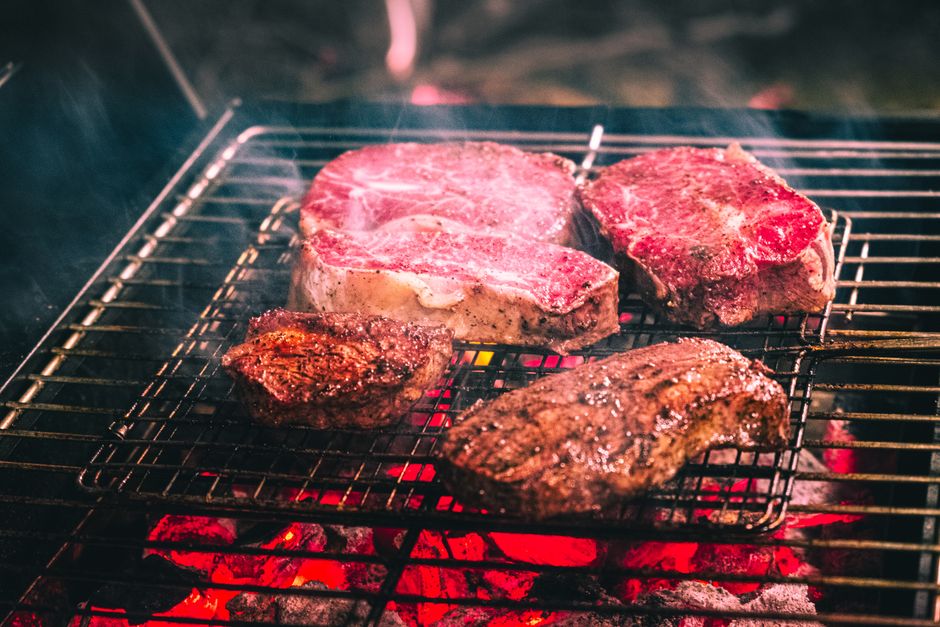
Pork is done when it reaches a safe internal temperature of 145°F (63°C), followed by a three-minute rest. This is the official recommendation from the USDA, and it applies to whole cuts like pork chops, roasts, and tenderloin. Ground pork is different — it must reach 160°F (71°C) because grinding can spread bacteria throughout the meat.
Why 145°F Is the New Standard for Pork
For decades, the advice was to cook pork to 160°F or even higher. That changed in 2011 when the USDA updated its guidelines. The old recommendation existed because trichinella, a parasite that causes trichinosis, was once a real concern in pork. Modern farming practices have largely eliminated trichinella from commercially raised pork in the United States.
Research showed that cooking pork to 145°F and letting it rest for three minutes is enough to kill trichinella and other harmful pathogens. The rest period matters. During those three minutes, the internal temperature continues to rise slightly, and any surviving bacteria are destroyed.
This change also made pork taste better. Pork cooked to 160°F or higher is often dry and tough. At 145°F, the meat retains more moisture and has a better texture. The pink color that some people associate with undercooked pork is not a reliable indicator of doneness. A pork chop can look slightly pink at 145°F and still be perfectly safe to eat.
What Temperature Should Ground Pork Reach?
Ground pork is a different case entirely. The USDA recommends cooking ground pork to 160°F. There is no rest period exemption for ground meat.
The reason comes down to how bacteria behave. When a whole cut of pork is contaminated, the bacteria sit on the surface. Cooking the outside kills them. When pork is ground, any bacteria on the surface get mixed throughout the meat. The entire batch must reach a temperature high enough to kill bacteria everywhere, not just on the outside.
This same logic applies to burgers made from ground pork, sausage, and meatballs. If it started as ground meat, cook it to 160°F. Do not rely on color. Ground pork can look brown before it reaches a safe temperature, and it can look pink after it is fully cooked.
How to Measure Pork Temperature Correctly
A digital instant-read thermometer is the only reliable way to know if pork is done. Guessing by color, time, or touch is not accurate.
Insert the thermometer probe into the thickest part of the meat. Avoid touching bone, fat, or gristle. These areas heat differently and will give a false reading. For roasts, take the temperature in several spots to make sure the entire roast is cooked evenly.
If you are cooking thin cuts like pork chops, insert the probe sideways through the edge of the chop. This keeps the probe in the center of the meat without hitting bone.
Calibrate your thermometer regularly. Most digital thermometers can be checked in ice water, which should read 32°F (0°C). If the reading is off by more than a couple of degrees, replace the thermometer or recalibrate it if the model allows.



Pork Temperature Chart by Cut
Different cuts of pork have different recommended temperatures. Here is a quick reference for the most common cuts.
| Cut | Safe Internal Temperature | Rest Time |
|---|---|---|
| Pork chops | 145°F (63°C) | 3 minutes |
| Pork loin roast | 145°F (63°C) | 3 minutes |
| Tenderloin | 145°F (63°C) | 3 minutes |
| Ribs | 145°F (63°C) | 3 minutes |
| Ground pork | 160°F (71°C) | None required |
| Ham (raw, fresh) | 145°F (63°C) | 3 minutes |
| Ham (pre-cooked) | 140°F (60°C) | None required |
Pre-cooked ham only needs to be reheated to 140°F because it is already safe to eat. If you bought a ham labeled “cook before eating,” treat it like fresh pork and cook it to 145°F.
What Happens If You Eat Undercooked Pork?
Eating undercooked pork carries real risks. The main concern is trichinosis, caused by the trichinella parasite. Symptoms include nausea, diarrhea, abdominal pain, and muscle pain. In severe cases, the infection can be serious, though it is rarely fatal in the United States.
Modern commercial pork has a very low risk of trichinella. The parasite is far less common than it was a century ago. But the risk is not zero, and other pathogens like salmonella and listeria can also be present in pork.
If you accidentally eat undercooked pork, monitor for symptoms. Most foodborne illnesses cause gastrointestinal distress within a few hours to a few days. If symptoms are severe, last more than a couple of days, or include a high fever, see a doctor.
Does Pork Need to Rest Before Slicing?
Yes. Resting is not optional — it is part of the cooking process. The USDA’s 145°F recommendation includes a three-minute rest before carving or eating.
During resting, the heat inside the meat continues to move toward the center. This is called carryover cooking. The internal temperature can rise by 5 to 10 degrees while the meat rests. That extra heat helps kill any bacteria that survived the initial cooking.
Resting also improves the texture of the meat. When pork cooks, the muscle fibers contract and squeeze out moisture. Resting allows the fibers to relax, and the juices redistribute throughout the meat. Slice pork immediately after cooking and those juices end up on the cutting board instead of in the meat.
Is It Safe to Eat Pork That Is Still Pink?
Yes, if the temperature is correct. Pink pork is not a sign of danger.
Color is a poor indicator of doneness for pork. Modern pork can retain a pink color even when fully cooked. The pink tint comes from the pigment myoglobin, which is present in muscle tissue. It reacts to heat differently depending on the cooking method, the pH of the meat, and even the diet of the pig.
A pork chop cooked to 145°F may look pink near the bone. This is normal and safe. The only reliable way to know pork is done is to check the internal temperature with a thermometer.
Common Mistakes When Cooking Pork
Several mistakes lead to overcooked or undercooked pork.
Cooking by time instead of temperature. Ovens vary, pan heat varies, and the thickness of the meat varies. A recipe’s cooking time is a starting point, not a guarantee. Always verify with a thermometer.
Relying on the pop-up thermometer in some roasts. These devices are not always accurate. Use your own instant-read thermometer to confirm.
Slicing immediately after cooking. Cutting into pork right off the heat releases the juices and interrupts the carryover cooking that finishes the job.
Not accounting for carryover cooking. If you pull pork from the heat at exactly 145°F, the temperature will rise during the rest. That is fine. If you pull it at 150°F, it may end up closer to 155°F, which is still safe but slightly drier.
Frequently Asked Questions
What temperature should pork chops be cooked to?
Pork chops are safe at 145°F (63°C) with a three-minute rest. Use an instant-read thermometer inserted into the thickest part of the chop, away from bone.
Is it safe to eat pork at 135°F?
No. The USDA minimum safe temperature for whole cuts of pork is 145°F. Pork at 135°F has not been heated enough to reliably kill harmful bacteria.
Why is my pork still pink at 145°F?
Pink color in cooked pork is normal and safe. Myoglobin, the pigment in muscle, can stay pink even at safe temperatures. Trust the thermometer, not the color.
How long should pork rest after cooking?
Whole cuts of pork should rest for at least three minutes before carving. Ground pork does not require a rest period.
