
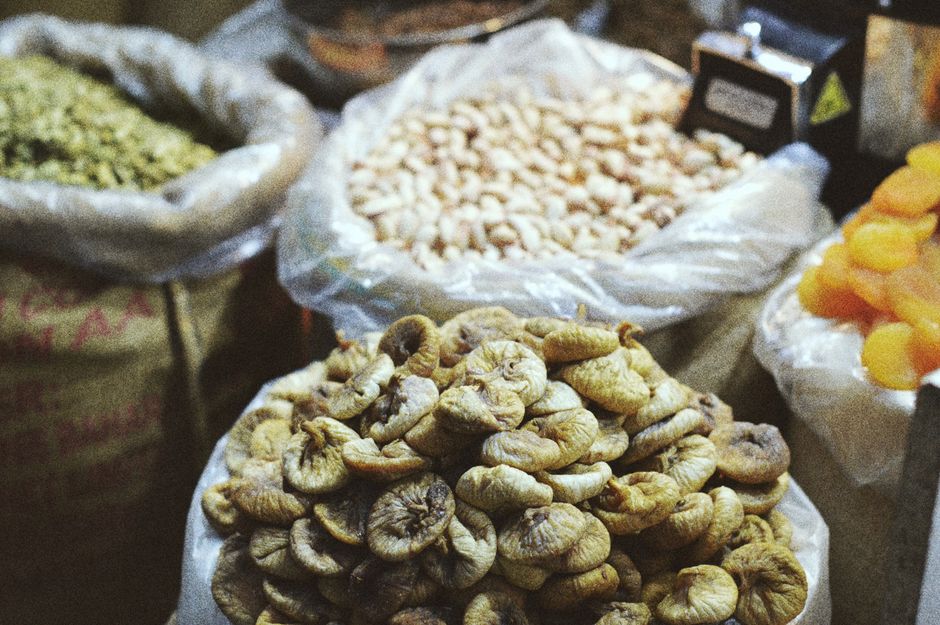
Dried figs are a shelf-stable pantry staple, but how you store them changes how long they last and whether they stay soft or turn rock-hard. The short answer: keep dried figs in an airtight container in a cool, dry place like your pantry for up to 6 to 12 months, refrigerate them for up to 18 months, or freeze them for up to 3 years. The fridge and freezer are better choices for long-term storage because they slow down sugar crystallization and keep the figs from drying out.
How To Store Dried Figs Room Temp Fridge Freezer: The Core Difference
The main difference between these three storage spots comes down to temperature and moisture. Room temperature storage is fine for short-term use. The fridge adds a layer of protection against mold and insects. The freezer stops nearly all spoilage processes.
Dried figs still contain about 30% moisture. That is enough water for mold to grow if the figs get warm or humid. It is also enough for the natural sugars to crystallize, which creates those gritty white spots on the surface. Those spots are safe to eat, but they change the texture.
Cold storage slows both mold growth and sugar crystallization. That is why refrigeration and freezing keep figs softer and fresher for much longer than a pantry shelf.
How Long Do Dried Figs Last at Room Temperature?
Unopened packages of dried figs last 6 to 12 months past the printed date when stored in a cool pantry. Once you open the package, plan to eat them within 1 to 2 months if you keep them at room temperature.
The pantry works only if your kitchen stays below 70°F and humidity is low. A cabinet away from the stove, dishwasher, or oven is the best spot. Heat and steam from cooking will shorten the shelf life quickly.
Keep them in their original packaging if it reseals well. Otherwise, transfer them to a glass jar or a plastic container with a tight lid. Squeeze out as much air as possible before sealing. Oxygen speeds up spoilage and makes dried figs tough.
If your house runs warm or humid, skip the pantry. Move the figs to the fridge instead.
Does Refrigerating Dried Figs Change the Texture?
Refrigeration keeps dried figs at their best quality for up to 18 months. The cool temperature preserves moisture and prevents sugar crystals from forming.
Cold figs will feel firm right out of the fridge. This is not a sign of spoilage. Let them sit at room temperature for 10 to 15 minutes before eating, and they will soften back up.
One thing to watch: the fridge is a humid environment. If your container is not airtight, the figs can absorb moisture and grow mold. Always use a sealed container or a zip-top bag with the air pressed out.
Condensation inside the container is a warning sign. If you see water droplets on the inside of the jar or bag, the figs are getting too much moisture. Wipe them dry and move them to a fresh container.





Can You Freeze Dried Figs?
Yes. Freezing is the best option for long-term storage. Dried figs keep their quality in the freezer for up to 3 years.
The freezing process does not damage dried figs the way it damages fresh fruit. Because dried figs contain so little water, ice crystals do not form large enough to rupture the cell walls. The texture stays intact after thawing.
To freeze, place the figs in a single layer on a baking sheet and freeze for 1 to 2 hours. This keeps them from clumping together. Then transfer them to a freezer-safe bag or container. Remove as much air as possible.
Thaw frozen figs in the refrigerator or at room temperature. Do not thaw them in warm water, which can add unwanted moisture. Once thawed, use them within a few weeks.
You can also eat frozen figs straight from the freezer. They become chewy and firm, which some people enjoy as a snack. They are also easy to chop while still frozen for baking.
How To Tell If Dried Figs Have Gone Bad
Dried figs do not spoil the way fresh fruit does, but they can go bad. The signs are easy to spot if you know what to look for.
Mold is the clearest sign. Look for fuzzy spots in white, green, or black. If you see mold on any fig, throw out the entire batch. Mold spores spread invisibly, and eating moldy dried fruit can make you sick.
An off smell is another warning. Dried figs should smell sweet and slightly nutty. A sour, fermented, or alcohol-like odor means fermentation is happening. Discard the figs.
An unusual taste matters too. If a fig tastes sour, bitter, or just wrong, do not eat it. Your sense of taste is a reliable safety check.
White spots on the surface are not mold. These are crystallized sugars, also called sugar bloom. They are completely safe to eat. The figs will taste a bit grainier, but they are fine.
Very hard, dry figs are not spoiled either. They have simply lost moisture. You can soften them by steaming them for a few minutes or soaking them in warm water for 10 to 15 minutes.
Best Containers for Storing Dried Figs
The container matters as much as the location. Airtight is the single most important feature.
Glass jars with rubber gaskets and metal clamps work well. Mason jars with tight lids are also a solid choice. Plastic containers with snap-lock lids are fine if they seal completely. Zip-top freezer bags work, especially if you press out the air before sealing.
Avoid paper bags, open bowls, or loosely wrapped plastic. These let air and moisture in, which shortens shelf life and invites mold.
For frozen figs, use containers labeled freezer-safe. Regular plastic containers can become brittle in the cold and crack. Freezer bags are designed to handle low temperatures.
Does Storage Method Change the Nutrition of Dried Figs?
No. Storage method does not change the nutrient content of dried figs. The vitamins, minerals, and fiber stay intact whether you store them in the pantry, fridge, or freezer.
Dried figs are a good source of fiber, potassium, calcium, and magnesium. They also contain antioxidants. None of these nutrients degrade meaningfully during normal storage periods.
The only real difference is quality. Figs stored in the fridge or freezer stay softer, moister, and more pleasant to eat for longer. Pantry-stored figs may dry out or develop sugar crystals, but they remain nutritious.
Can You Store Fresh Figs the Same Way?
No. Fresh figs are a completely different storage challenge. They are highly perishable and last only 2 to 3 days at room temperature or up to a week in the fridge.
Fresh figs should be stored in the refrigerator in a shallow container lined with paper towels. They need airflow to prevent mold. Do not wash them until right before eating, since moisture speeds up spoilage.
Fresh figs can be frozen, but the texture changes significantly. They become mushy when thawed. Frozen fresh figs are best used for baking, smoothies, or jams rather than eating whole.
If you bought fresh figs and cannot eat them in time, consider drying them yourself. A food dehydrator or a low-temperature oven can turn them into shelf-stable dried figs. This is a practical way to reduce waste.
Practical Tips for Long-Term Fig Storage
Here are the key points to remember:
- Store dried figs in an airtight container in all three locations.
- Keep pantry figs below 70°F and away from heat sources.
- Refrigerate for up to 18 months for best quality.
- Freeze for up to 3 years for maximum shelf life.
- Let cold figs sit at room temperature for 10 to 15 minutes before eating.
- Discard any figs with visible mold or an off smell.
- White spots are sugar crystals, not mold, and are safe to eat.
Label your containers with the date you stored them. This removes guesswork later. Dried figs do not have a dramatic expiration moment, but quality fades gradually. Knowing how long they have been stored helps you use them at their best.
Frequently Asked Questions
How long do dried figs last in the pantry?
Unopened packages last 6 to 12 months past the printed date in a cool pantry. Once opened, use them within 1 to 2 months.
Do dried figs need to be refrigerated?
No, but refrigeration extends their shelf life to about 18 months and prevents sugar crystallization. Pantry storage is fine for short-term use.
Can you freeze dried figs without ruining them?
Yes, dried figs freeze very well and keep their quality for up to 3 years. The low moisture content prevents ice damage, so texture stays intact after thawing.
Are white spots on dried figs mold?
No, white spots are crystallized sugars, called sugar bloom, and are safe to eat. Mold appears as fuzzy patches in white, green, or black.
